


Al-Masri: Priorities must be translated into bankable projects that create jobs for Jordanians
Ghanma: The National Green Taxonomy directs financing toward priority sectors
Al-Salem: The green transition is part of the future of the national economy and an opportunity to enhance growth and competitiveness
Al-Mahrouq: Four years have taken the Forum from concept-building to solution design and broader partnerships
Mahasneh: Water and energy security requires reaching a greater level of self-sufficiency
Al-Kharabsheh: We aim to raise the share of renewable energy to 40%, and potentially 50%, by 2035
Suleiman: Jordan is committed to reducing emissions by 31% by 2030
Saif: Addressing water and energy waste is a priority for strengthening economic competitiveness
Al-Bataikhi: Green projects worth at least USD 10 billion are available in Jordan
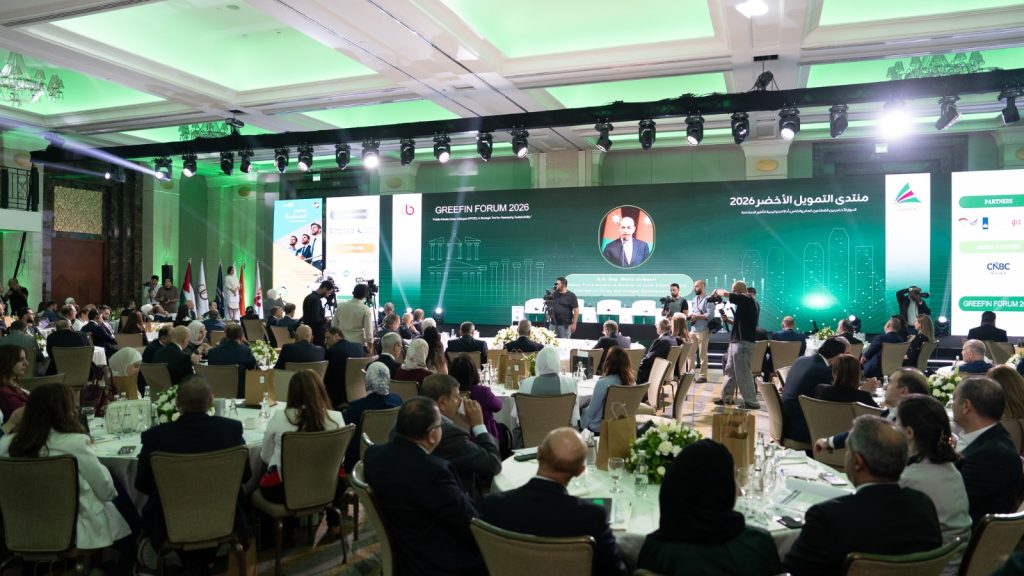
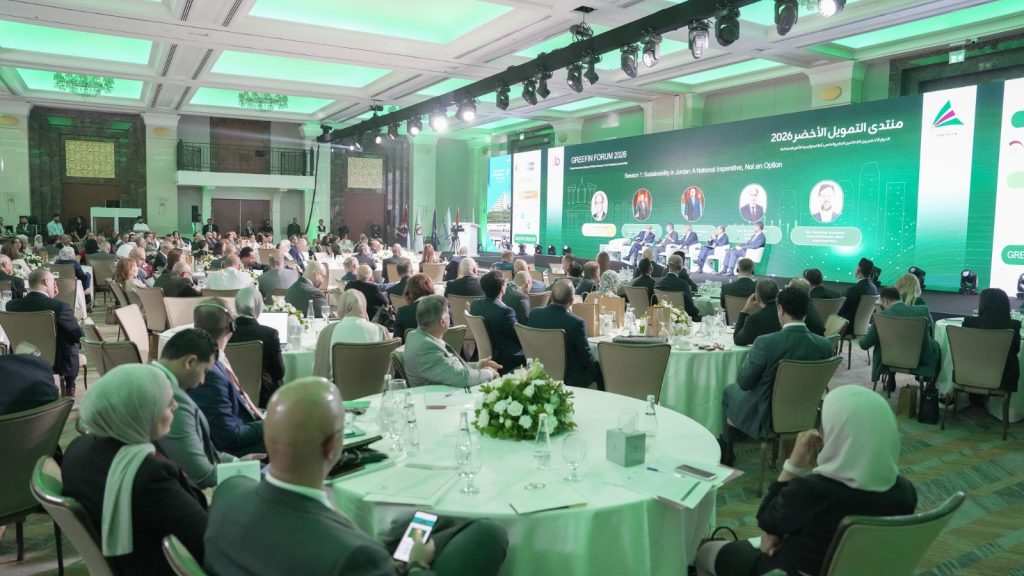
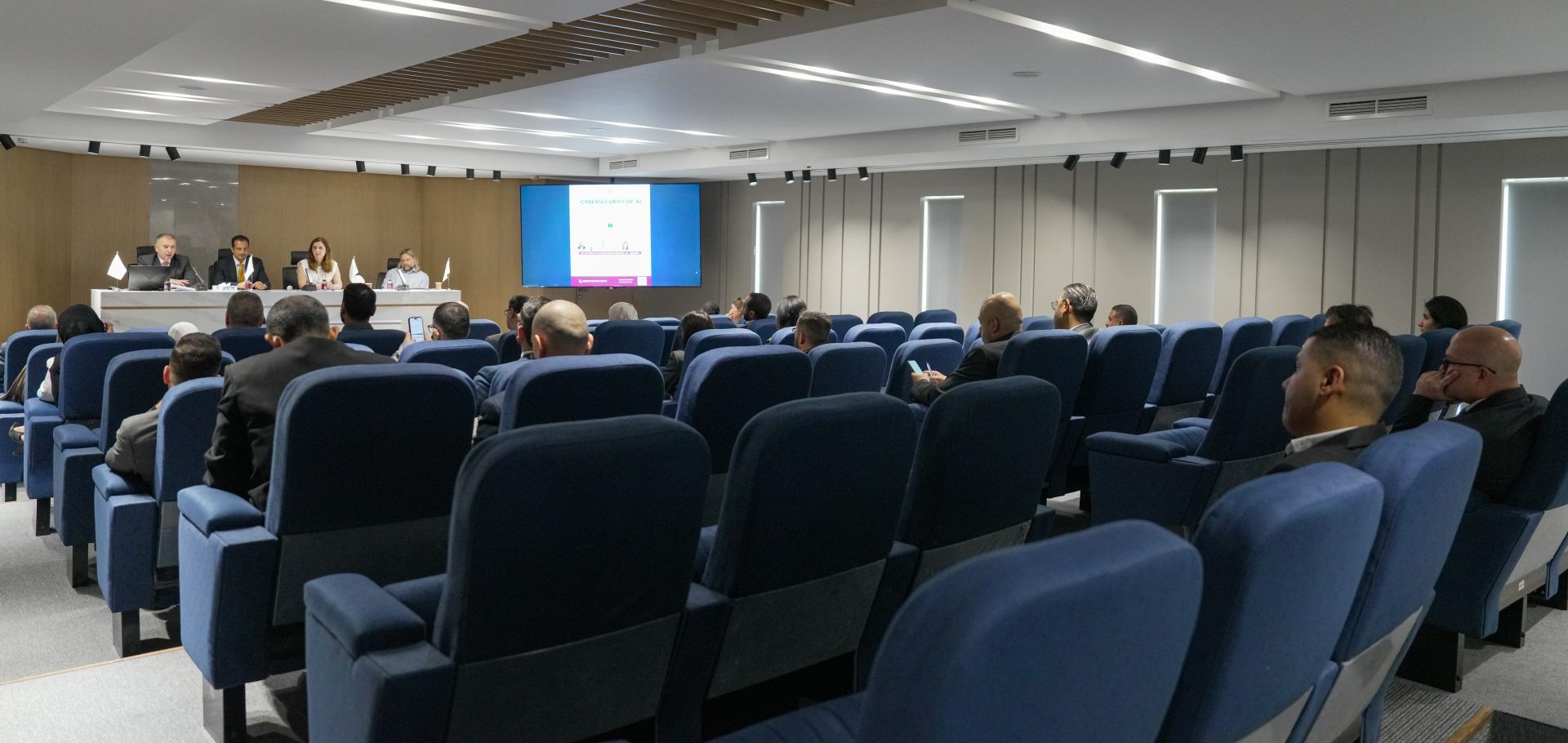
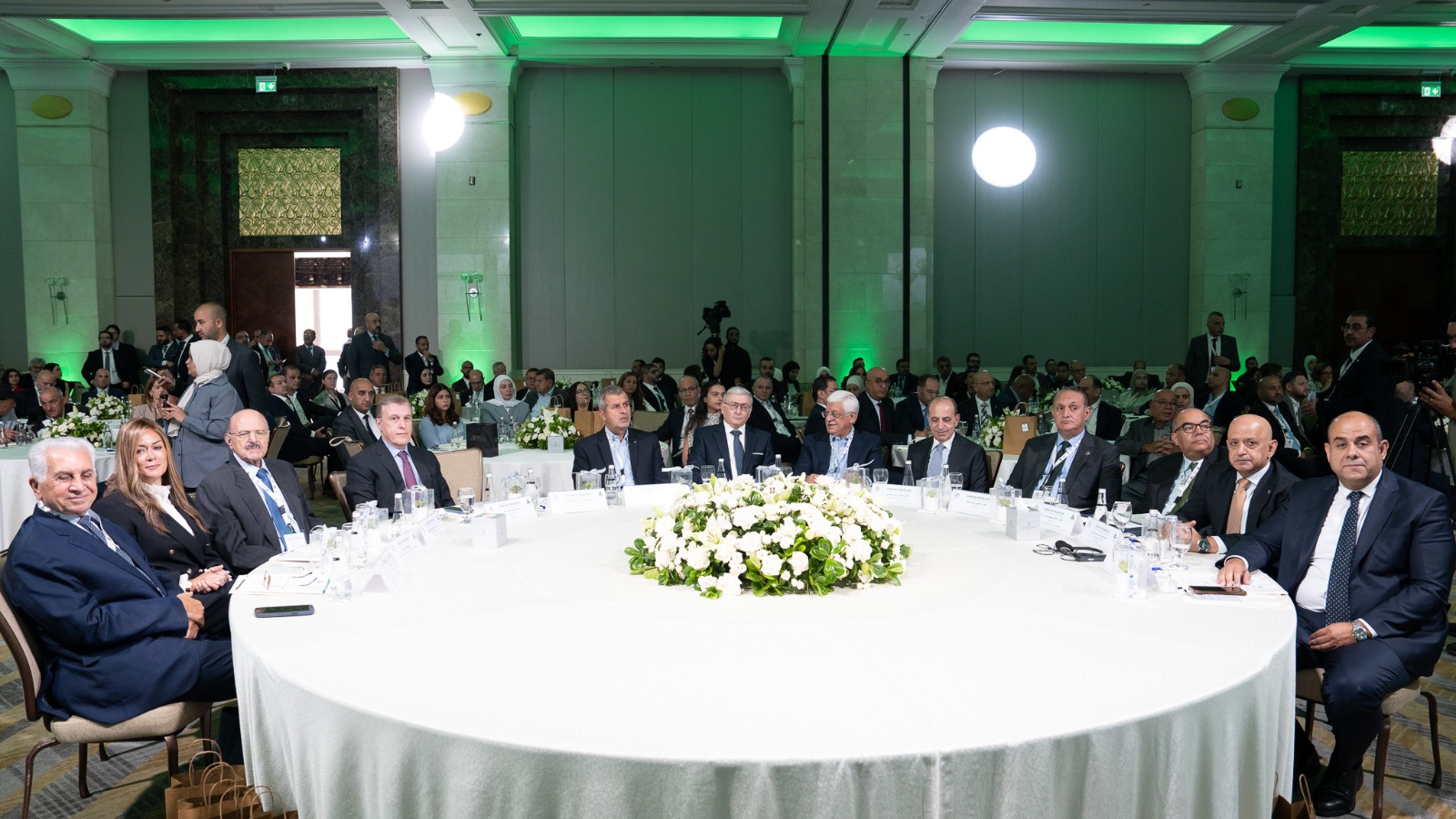
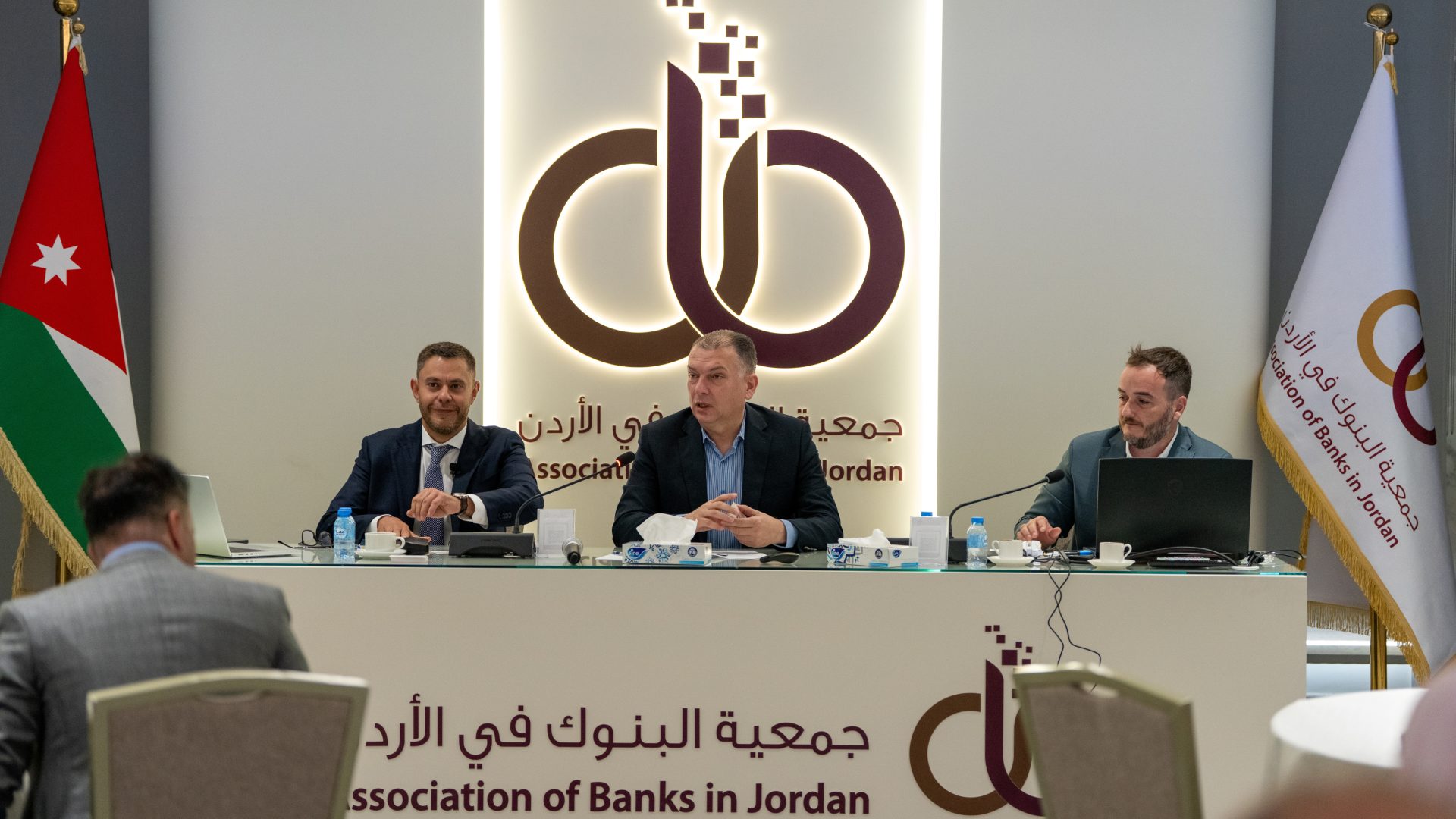
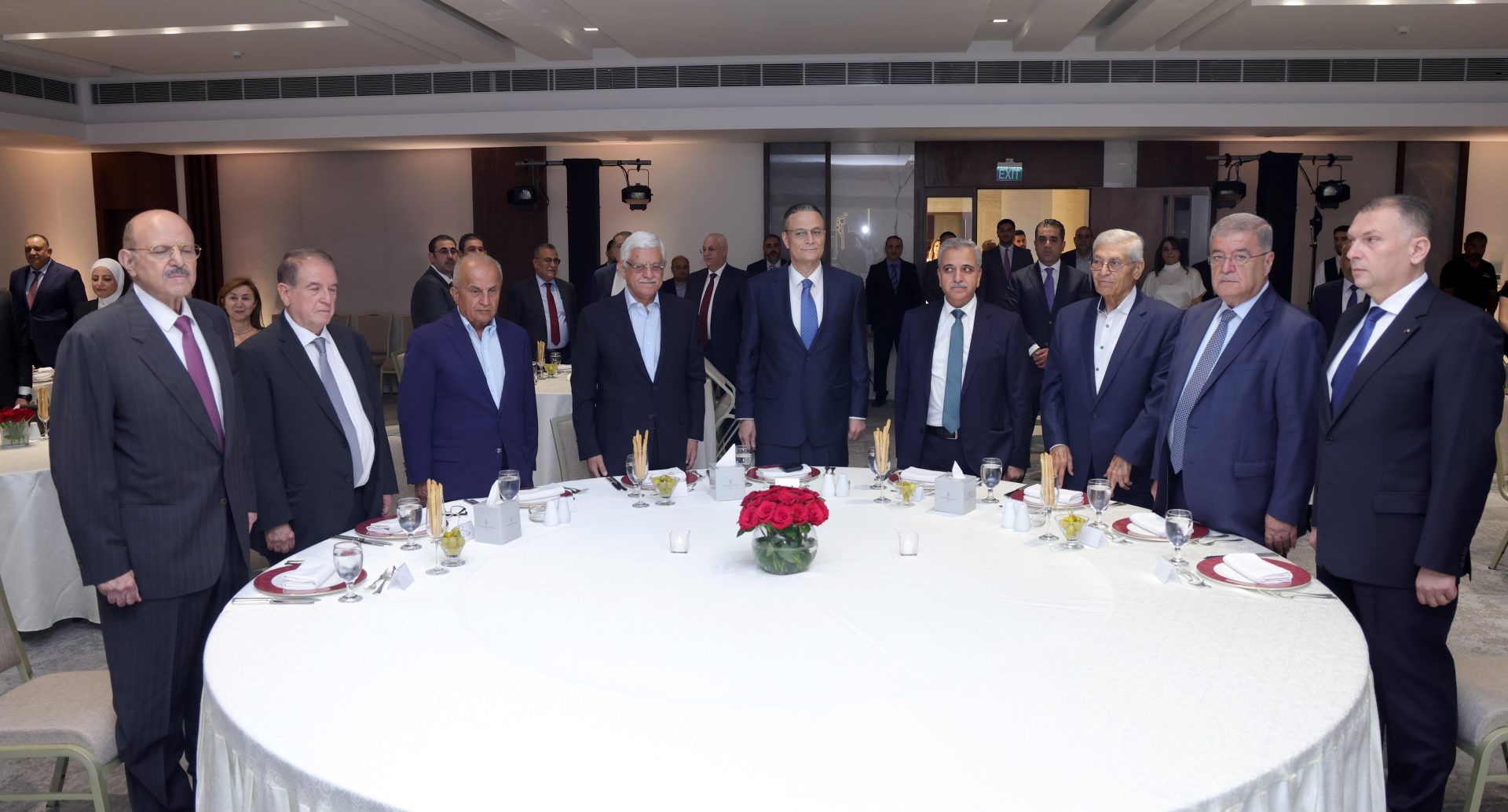
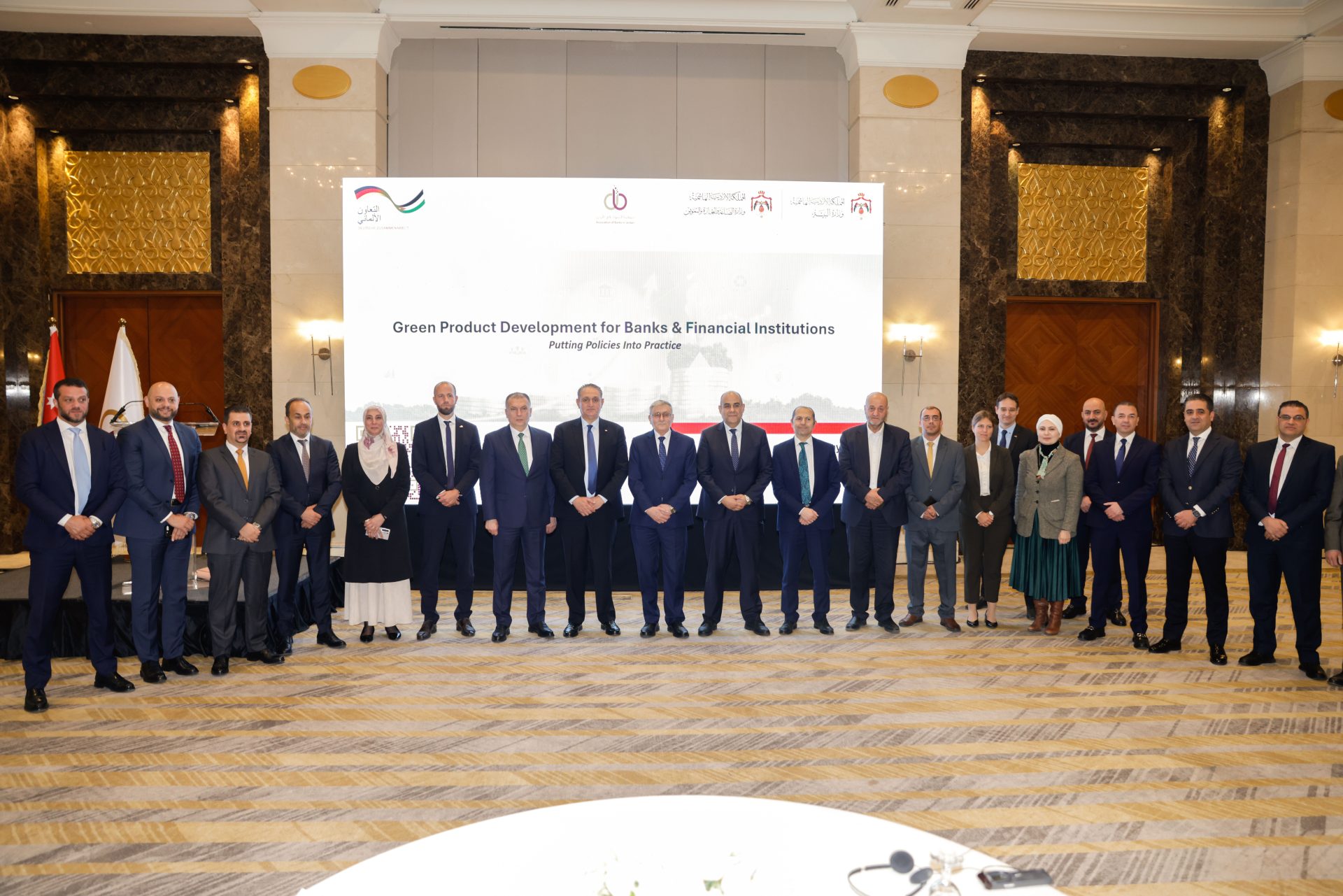
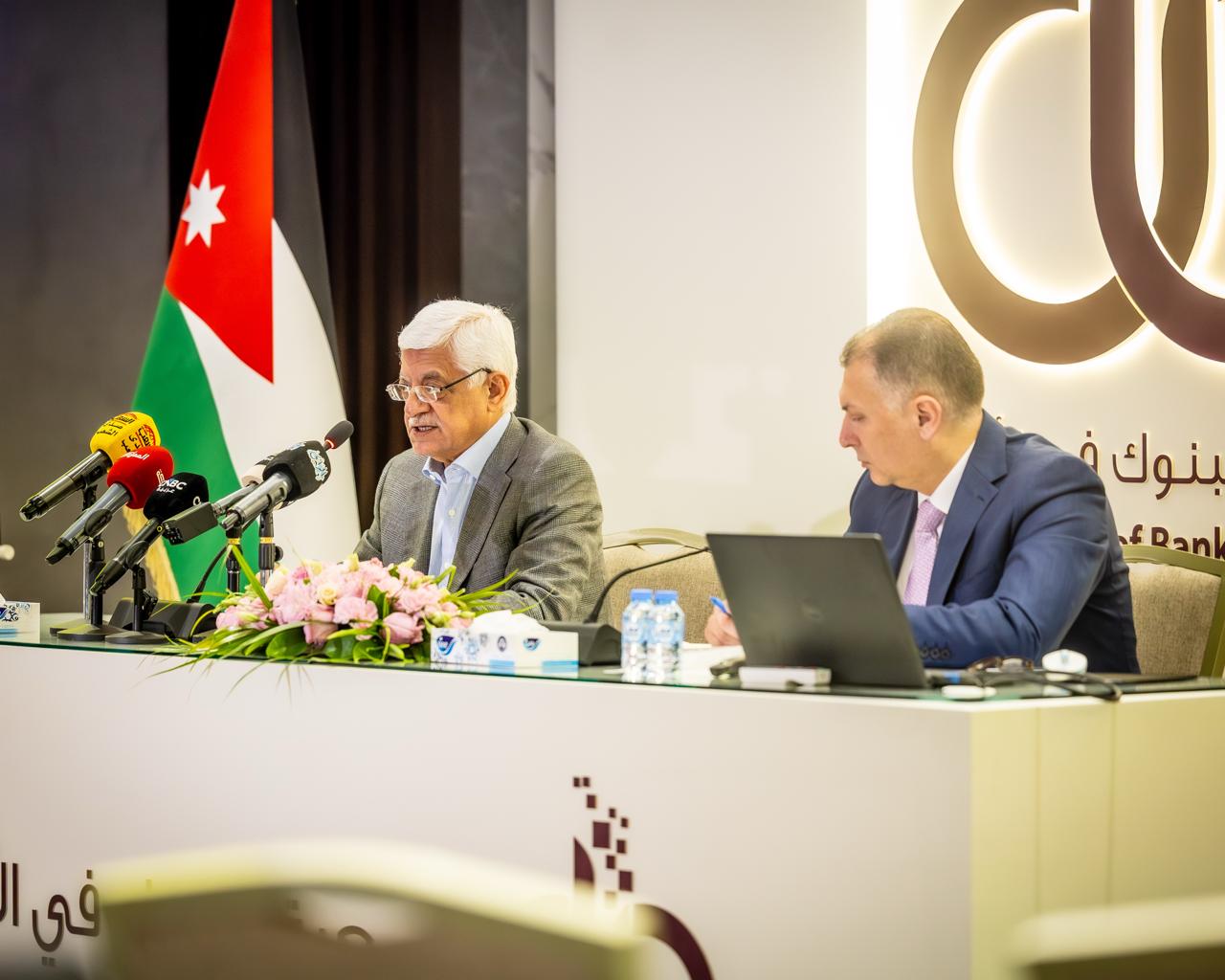
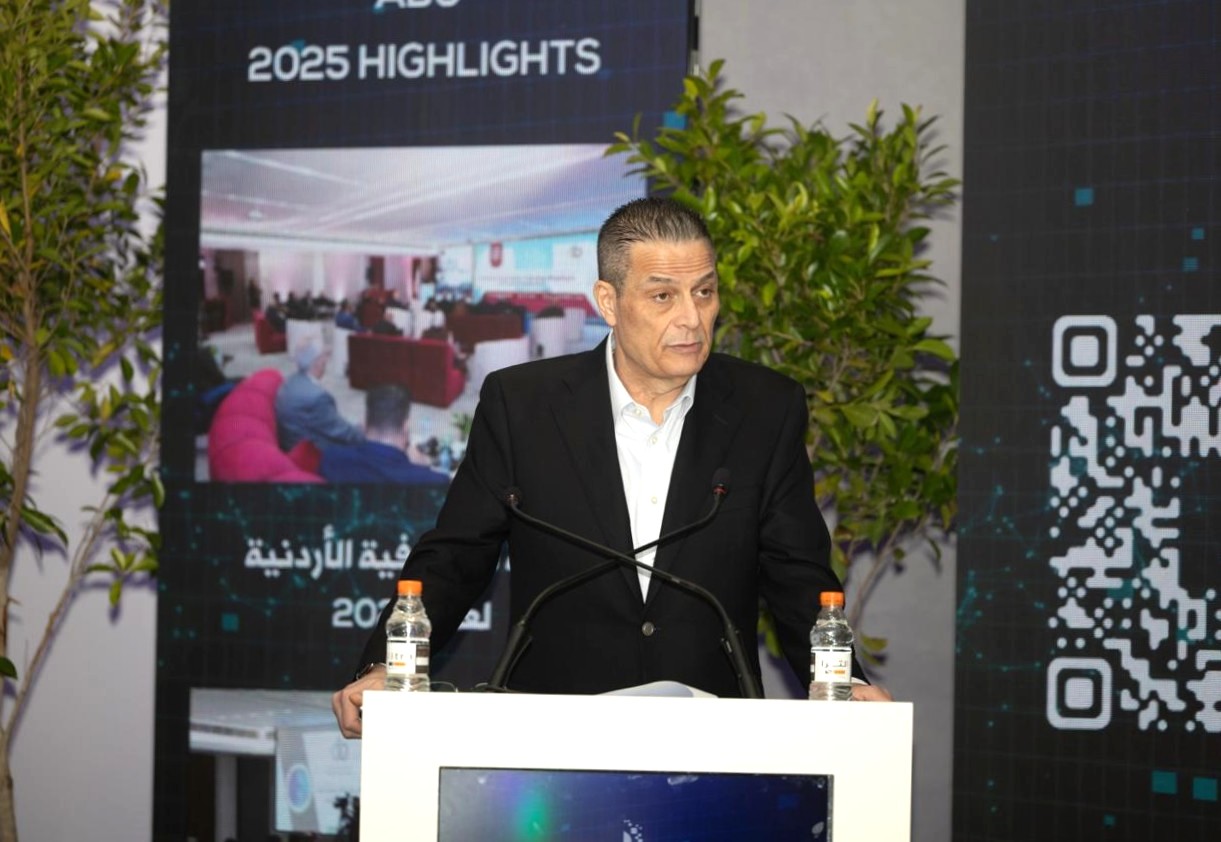
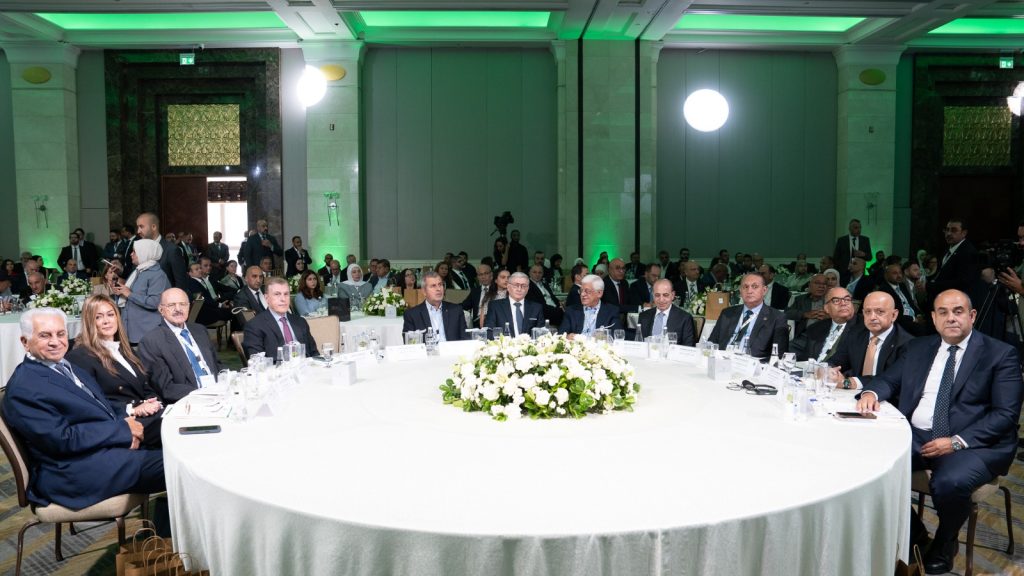
The Association of Banks in Jordan (ABJ) held the fourth edition of the 2026 Green Finance Forum under the theme, “Public-Private Green Dialogue: A Strategic Tool for Reshaping Sustainability.” The Forum brought together ministers, officials, representatives of the banking and financial sectors, international institutions and the private sector, as well as experts in energy, environment and sustainable finance.
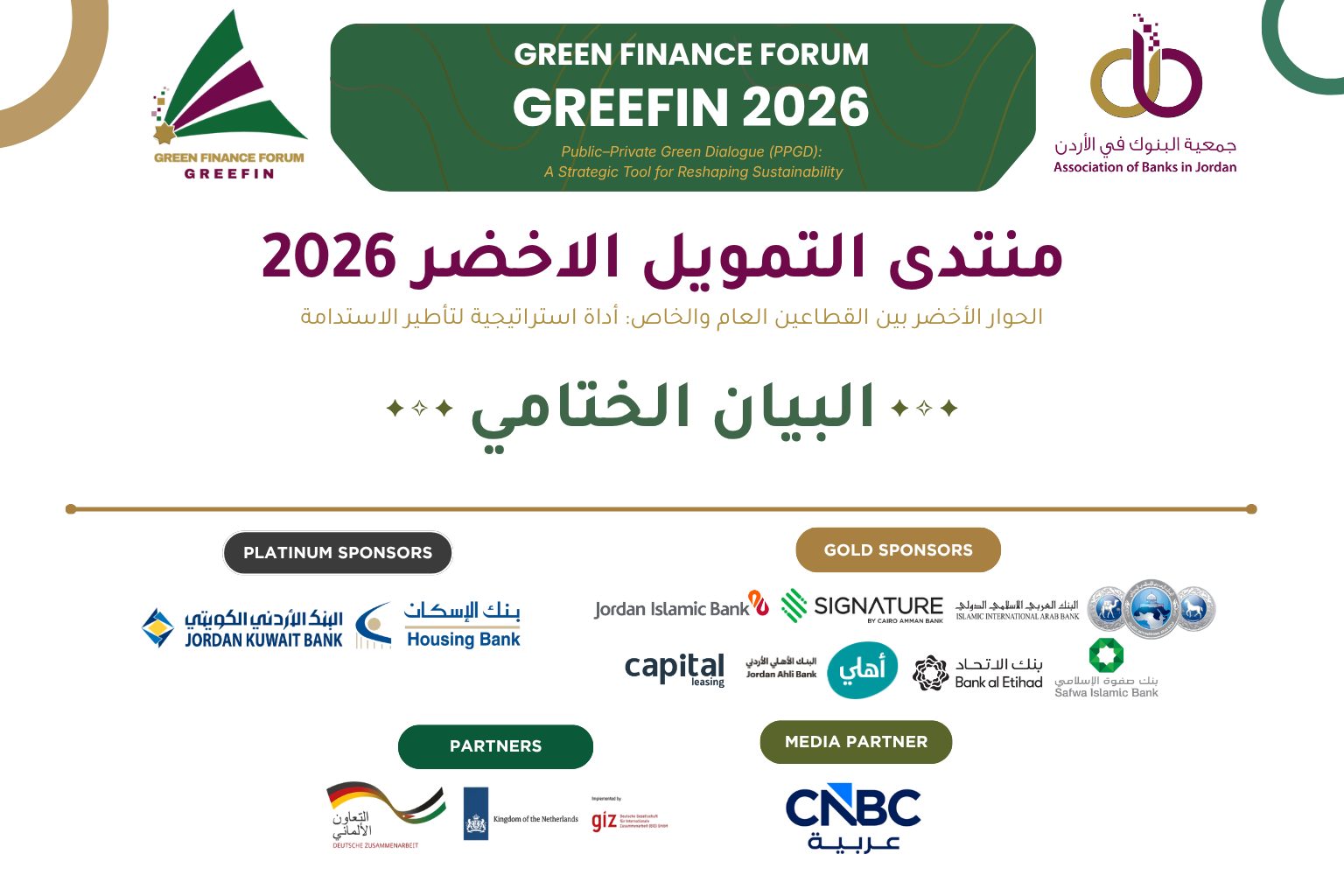
The Forum was held under the patronage of Governor of the Central Bank of Jordan Dr. Adel Sharkas, with the participation of Deputy Prime Minister and Minister of Local Administration Eng. Walid Al-Masri; Chairman of the Association of Banks in Jordan Bassem Khalil Al-Salem; and Dr. Ziad Ghanma, representing the Governor of the Central Bank of Jordan. Platinum sponsors were Jordan Kuwait Bank and Housing Bank, while gold sponsors were Jordan Islamic Bank, Signature, Capital Leasing, International Islamic Arab Bank, Jordan Ahli Bank, Bank al Etihad and Safwa Islamic Bank.
Discussions focused on the role of public-private dialogue as an institutional anchor for directing financing toward green projects, developing bankable projects, strengthening implementation of the National Green Taxonomy, managing climate-related risks, and mobilizing the resources needed to accelerate Jordan’s sustainable transition.
Deputy Prime Minister and Minister of Local Administration Eng. Walid Al-Masri said the Forum provides an important platform for dialogue among the public and private sectors, financial institutions and development partners on the future of sustainable finance and investment.
He added that Jordan is advancing along the three modernization tracks launched by His Majesty King Abdullah II, which are intended to unlock potential, stimulate investment, improve the efficiency of state institutions, achieve sustainable development and create genuine employment opportunities.
Al-Masri stressed that the government’s responsibility is not limited to identifying needs and priorities; it also includes turning them into projects that are bankable, implementable and capable of creating jobs, particularly as unemployment remains the biggest challenge facing the Jordanian economy.
He noted that municipalities and local administration are key partners in this process. As local development units, they can help create local economies, make cities and towns more people-friendly, and improve quality of life within a green and sustainable environment.
He said the Cities and Villages Development Bank has completed the requirements for accreditation as the first official national entity to be accredited by the Green Climate Fund, expressing hope that the Fund’s upcoming conference in Jordan will open new opportunities for financing, investment and public-private partnerships.
He also pointed to projects submitted to the Green Climate Fund with an estimated value of around 200 million, some of which have passed several stages of review. He expressed hope that they would receive final approval given their potential role in creating jobs and advancing environmental development and sustainability.
Al-Masri highlighted two investment opportunities in the waste-management sector. The first is the “Zero Waste” project in northern Jordan, which aims to reduce the share of waste sent to landfill to around 10% and reuse the remainder. The second involves private-sector management of waste at the Azraq landfill.
He emphasized that the priority is to turn financing into genuine, sustainable investment that creates jobs and strengthens both the national and local economies, while building on successful partnership models in the energy and water sectors and extending them to other sectors.
For his part, Dr. Ziad Ghanma, representing the Governor of the Central Bank of Jordan, said sustainability and the green transition have become two fundamental pillars for building economies that are more resilient to challenges and better able to achieve inclusive and sustainable growth.
He added that sustainability is no longer confined to the environmental dimension. It has become an integrated framework for policymaking and investment and financing decisions, balancing economic growth requirements with the preservation of natural resources and the promotion of social equity.
Ghanma stressed that a successful transition to a green and sustainable economy requires a genuine partnership among government, the financial sector and the business community, based on clear priorities, appropriate regulatory frameworks and incentives, and the mobilization of private capital toward sustainable activities and projects.
He noted that the Central Bank recognized early the importance of environmental protection and renewable energy. In 2013, it included the renewable-energy sector in its financing program to support economic sectors, before later expanding the program to cover green projects more broadly.
He referred to the launch of the 2023-2028 Green Finance Strategy, prepared in cooperation with the World Bank and in coordination with the Association of Banks in Jordan, the banking and financial sectors, and relevant public- and private-sector stakeholders.
He explained that the strategy serves as a roadmap for enabling the Central Bank and the financial sector to expand green finance and mitigate climate-change risks. It covers banks, finance companies, insurance companies and microfinance institutions.
Ghanma also referred to the issuance of climate-risk management instructions aimed at strengthening banks’ ability to identify, measure and monitor such risks, alongside climate-risk disclosure and reporting requirements.
He said one of the most significant achievements has been the launch of the “Jordan National Green Taxonomy,” developed under the leadership of the Central Bank and the Ministry of Environment, with the participation of public- and private-sector stakeholders and in cooperation with the World Bank. The Council of Ministers approved the taxonomy on February 5, 2026.
The taxonomy, he said, establishes clear criteria for identifying green projects and environmentally sustainable economic activities. This supports the mobilization of green finance domestically and internationally, enhances transparency and investor confidence, and aligns financing with Jordan’s climate commitments and green-growth opportunities.
He added that the taxonomy directs financing toward priority sectors, including renewable energy, energy and water-use efficiency, sustainable buildings, waste management and low-carbon transport. It also provides a common reference for the financial sector and the public and private sectors to track, verify and report green finance.
Bassem Khalil Al-Salem, Chairman of the Association of Banks in Jordan, said the rapid economic and geopolitical shifts taking place globally have reshaped development priorities. Sustainability, he noted, is no longer a separate environmental issue; it has become part of the equation for growth, investment and competitiveness, as well as energy, water and food security and efficient resource use.
He added that Jordan’s green transition is part of the future of the national economy, offering opportunities to strengthen growth, competitiveness and investment, while transforming challenges related to energy, water, resources and climate into new economic opportunities.
Al-Salem explained that the Economic Modernisation Vision has established a national framework for growth in which the green transition is a key pillar. He stressed that dialogue among the public and private sectors, the banking sector and international institutions is not an end in itself, but a tool for turning priorities into partnerships, projects and investments that generate tangible impact in the Jordanian economy.
He pointed to the progress banks have made in integrating environmental, social and governance (ESG) criteria into their operations and strategies, supported by the Central Bank of Jordan’s efforts and the launch of the National Green Taxonomy as a reference for activities and investments aligned with sustainability objectives.
Al-Salem stressed that the resilience and stability of the banking sector, together with the Central Bank’s prudent monetary and supervisory policies, provide a strong foundation for continued support to the economy and the financing of sustainable investments.
Dr. Maher Al-Mahrouq, Director General of the Association of Banks in Jordan, said the Association began studying the state of green finance in Jordan’s banking sector in 2022 with the aim of developing sustainable services aligned with the requirements of the green transition.
He explained that the Association established a Green Finance Committee whose work has centered on building partnerships with local and international entities and contributing to the development of policies and overarching frameworks. These efforts, he said, led to the launch of the Green Finance Forum in 2023.
Al-Mahrouq added that the Forum’s first edition focused on building a shared understanding among stakeholders of the financial sector’s role in addressing climate and sustainability challenges. In 2024, the Forum moved from introducing the concept of green finance to firmly establishing it as a strategic necessity for the banking sector.
He said the 2025 edition focused on moving from vision and design to implementation through the development of green financial products, the use of technology and data, and stronger governance. He also highlighted the launch of the first banking guide for developing green banking products in cooperation with Deutsche Gesellschaft für Internationale Zusammenarbeit (GIZ).
Al-Mahrouq said the Forum has now reached a stage in which public-private dialogue is being institutionalized as a tool to advance sustainability, the Green Taxonomy is being adopted as a shared reference language, and the partnerships needed to build bankable projects are being expanded.
He stressed that, over four years, the Forum has progressed from preparation and concept-building to establishing green finance as a strategic necessity, and then to designing solutions and expanding partnerships capable of translating those solutions into bankable investments and projects.
Ghanma, representing the Forum’s patron, honored the platinum sponsors – Jordan Kuwait Bank and Housing Bank for Trade and Finance – as well as the gold sponsors: Jordan Islamic Bank; “Signature” by Cairo Amman Bank; Capital Leasing; International Islamic Arab Bank; Jordan Ahli Bank; Bank al Etihad; and Safwa Islamic Bank.
The Forum’s partners included Deutsche Gesellschaft für Internationale Zusammenarbeit (GIZ), implementing programs on behalf of the German Federal Ministry for Economic Cooperation and Development (BMZ), with co-financing from the Embassy of the Kingdom of the Netherlands (DGIS). CNBC Arabia participated as the media partner.
The Forum also featured a keynote address titled “Public-Private Green Dialogue in a Changing Geopolitical Landscape: Building Economic Resilience and Financing the Sustainable Transition,” delivered by H.E. Dr. Mahmoud Mohieldin, United Nations Special Envoy on Financing the 2030 Sustainable Development Agenda.
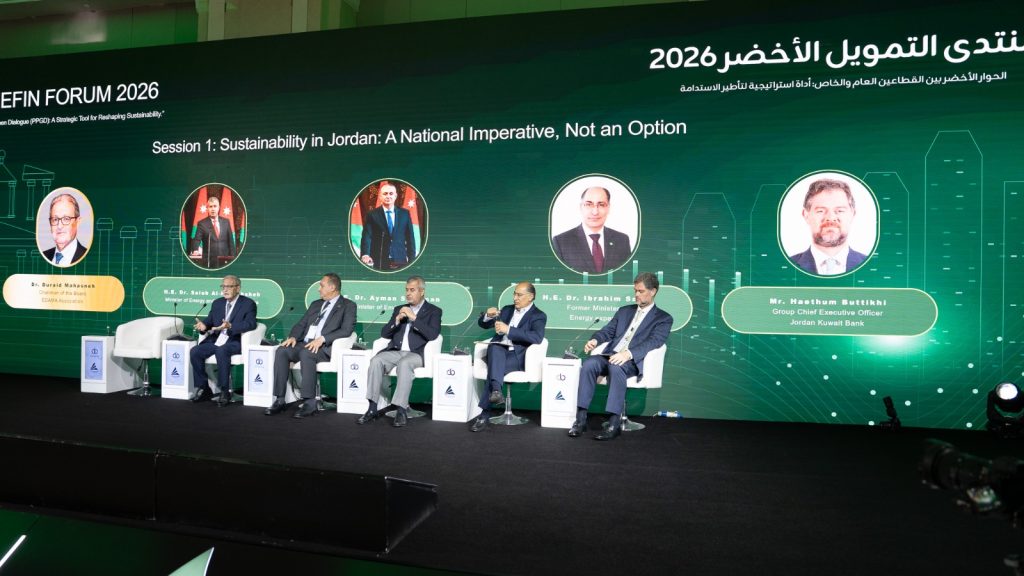
The first session examined the role of sustainability in strengthening the resilience of the Jordanian economy, as well as renewable energy, energy efficiency, sustainable transport, the circular economy, water, food and green industries. It also addressed energy-source diversification and reducing exposure to external shocks.
The session was moderated by Dr. Duraid Mahasneh, Chairman of EDAMA Association, who stressed that improving citizens’ quality of life requires attention to nature, emissions, and air and water quality.
Mahasneh said water represents Jordan’s greatest challenge, as the Kingdom is among the world’s most water-scarce countries. He emphasized the need to bring essential resources – particularly water and energy – to a level that provides Jordan with greater self-sufficiency and sustainable security.
Minister of Energy and Mineral Resources Dr. Saleh Al-Kharabsheh said Jordan holds an advanced position in renewable energy and ranks first among countries in the Middle East and North Africa when hydropower is excluded.
He added that around 27% of Jordan’s electricity is currently generated from renewable sources. The National Energy Strategy targets raising that share to 40%, with an optimistic scenario reaching 50% by 2035.
Achieving these targets, he explained, requires a more flexible and stable electricity system capable of integrating a greater share of renewable energy, particularly now that renewable-generation costs have become highly competitive with conventional sources.
Al-Kharabsheh noted that Jordan’s energy bill has in some years reached around 15% of GDP. He stressed that the shift toward domestic energy sources is no longer only about reducing emissions, but also about lowering energy costs and strengthening security of supply.
He said natural gas serves as a transition fuel, while green hydrogen represents a fuel of the future. He pointed to the signing of an investment agreement for green-hydrogen production, with the project expected to begin in 2030.
He added that the European Bank for Reconstruction and Development has indicated its readiness to provide indicative financing of up to one billion to support green-hydrogen projects in Jordan through 2030.
Al-Kharabsheh said the National Petroleum Company is working on a project to increase gas production from the Risha field, including the drilling of 80 wells. Production is expected to reach around 418-420 million cubic feet per day by 2029, compared with consumption of around 340 million cubic feet per day for electricity generation.
Reaching those levels, he said, would bring Jordan close to covering its gas needs for power generation. Work is also under way to supply natural gas to industrial clusters, where its cost is around 50% lower than diesel and 35% lower than heavy fuel oil.
Al-Kharabsheh expected Jordan to reach near self-sufficiency in energy within five years and to become a producer and exporter of green energy within the next decade.
Minister of Environment Dr. Ayman Suleiman said the Economic Modernisation Vision provides the overarching framework for government action, and that sustainability has retained a central position in both of the Vision’s executive programs.
He added that sustainability can no longer be treated as a standalone sector, as energy, water, waste management, transport and natural resources are now interconnected within a single system governed by sustainability and green-growth principles.
Suleiman explained that sustainability in the water sector requires renewable-energy sources to operate the sector and reduce its costs, underscoring the interdependence of environmental, economic and financial dimensions.
He noted that the Ministry of Environment has announced its strategy for the next five years and is reviewing green-growth plans with support from the European Union and in partnership with the Global Green Growth Institute.
Suleiman said Jordan is committed to reducing greenhouse-gas emissions by 31% by 2030, and that renewable-energy, natural-gas and green-hydrogen projects, together with the transition to electric vehicles, will contribute to achieving this target.
He added that the use of gas in industry and the expansion of green hydrogen will strengthen Jordan’s financing opportunities across various sectors, including agricultural projects and sustainable water-distribution projects.
Former Minister of Energy and Mineral Resources Dr. Ibrahim Saif said Jordan’s electricity-generation model has changed over the past decade, with a larger number of entities generating electricity and some facilities being allowed to produce and consume their own power.
He noted that the water sector consumes around 15% of Jordan’s electricity, while water losses range between 40% and 45%. This means that both water and the electricity used to pump it are being wasted at the same time.
Saif stressed that failure to address these imbalances would weaken the economy’s competitiveness, whereas correcting them would enhance the economic, export and employment capacity of different sectors.
He added that around 37% of Jordan’s primary-energy consumption goes to the transport sector, a share that exceeds that of a number of countries that allocate a larger proportion of their energy to industrial and productive uses.
Saif called on the banking sector to view these imbalances as investment opportunities capable of enhancing economic competitiveness. He also noted that growing global demand for the energy required for data processing gives Jordan an opportunity to become a hub for producing energy dedicated to this activity.
Haitham Al-Bataikhi, Chief Executive Officer of Jordan Kuwait Bank Group, said sustainability projects provide excellent investment opportunities and sound financial returns, noting that Jordan began to see this clearly with the Tafileh wind project and subsequent investments in solar energy.
He added that Jordan Kuwait Bank was among the early banks to issue green bonds to finance sustainability-related projects, and that these projects have demonstrated clear economic viability.
Al-Bataikhi stressed that entities investing in sustainability tend to have stronger awareness, governance and risk-management capabilities, which in turn lowers the credit-risk profile of projects that take sustainability criteria into account.
He added that World Bank estimates indicate the presence of green and renewable-energy projects worth no less than USD 10 billion in Jordan alone.
The second session reviewed the importance of having a national green taxonomy, harmonizing concepts among government, banks, investors and the private sector, translating national environmental objectives into financeable economic activities, and determining the eligibility of green projects.
The session discussed the taxonomy’s role in directing finance and investment, attracting investment, developing green-finance instruments, linking the taxonomy to environmental, social and governance risk management, and monitoring project performance after financing is provided.
The session was moderated by Eng. Shada Al-Sharif, Founder and CEO of SustainMENA. Participants included Mr. Mohamad Amaireh, Executive Director of the Financial Stability Department at the Central Bank of Jordan; Eng. Bilal Al-Shaqarin, Director of the Climate Change Directorate at the Ministry of Environment; Mr. Mustafa Mithaiwala, member of the Association of Banks in Jordan’s Green Finance Committee; Eng. Ma’an Ayasrah, Director of the Energy and Environmental Sustainability Center at the Jordan Chamber of Industry; and Mr. Branko Peter Wehnert, Sustainable Finance and Banking Expert at the German Sparkassenstiftung for International Cooperation.
The third session addressed the cost of the green transition and the roles of government, the private sector, and domestic and international capital, as well as risk sharing and the role of policies, incentives, guarantees and risk-mitigation instruments.
It also examined mechanisms for making green projects bankable, building a national project pipeline, and identifying the required financial instruments, including green finance, sustainability-linked finance, guarantees, blended finance, funds, green bonds and sukuk, and concessional financing lines.
The session was moderated by Ms. Nesreen Barakat, CEO of the Jordan Strategy Forum. Participants included Ms. Yusra Al-Bakkar, Senior Regional Adviser for Climate Finance and Programming for the Middle East at the Green Climate Fund; Dr. Afifa Rihana, Environmental Specialist at the International Finance Corporation; Dr. Waseem Haddad, Director General of the Cities and Villages Development Bank; Eng. Hamza Al-Hajaya, Director of the Public-Private Partnership Unit at the Ministry of Investment; Mr. Fadi Khalil, Chairman of the Green Finance Committee at the Association of Banks in Jordan; and Ms. Reem Nejdawi, Chief of the Food and Environment Policies Section at ESCWA.
The Forum concluded with a presentation of its key recommendations and a reaffirmation of the need to continue green public-private dialogue, develop bankable green projects, strengthen implementation of the National Green Taxonomy, improve climate-risk and environmental and social governance management, and mobilize green finance to accelerate Jordan’s sustainable transition.