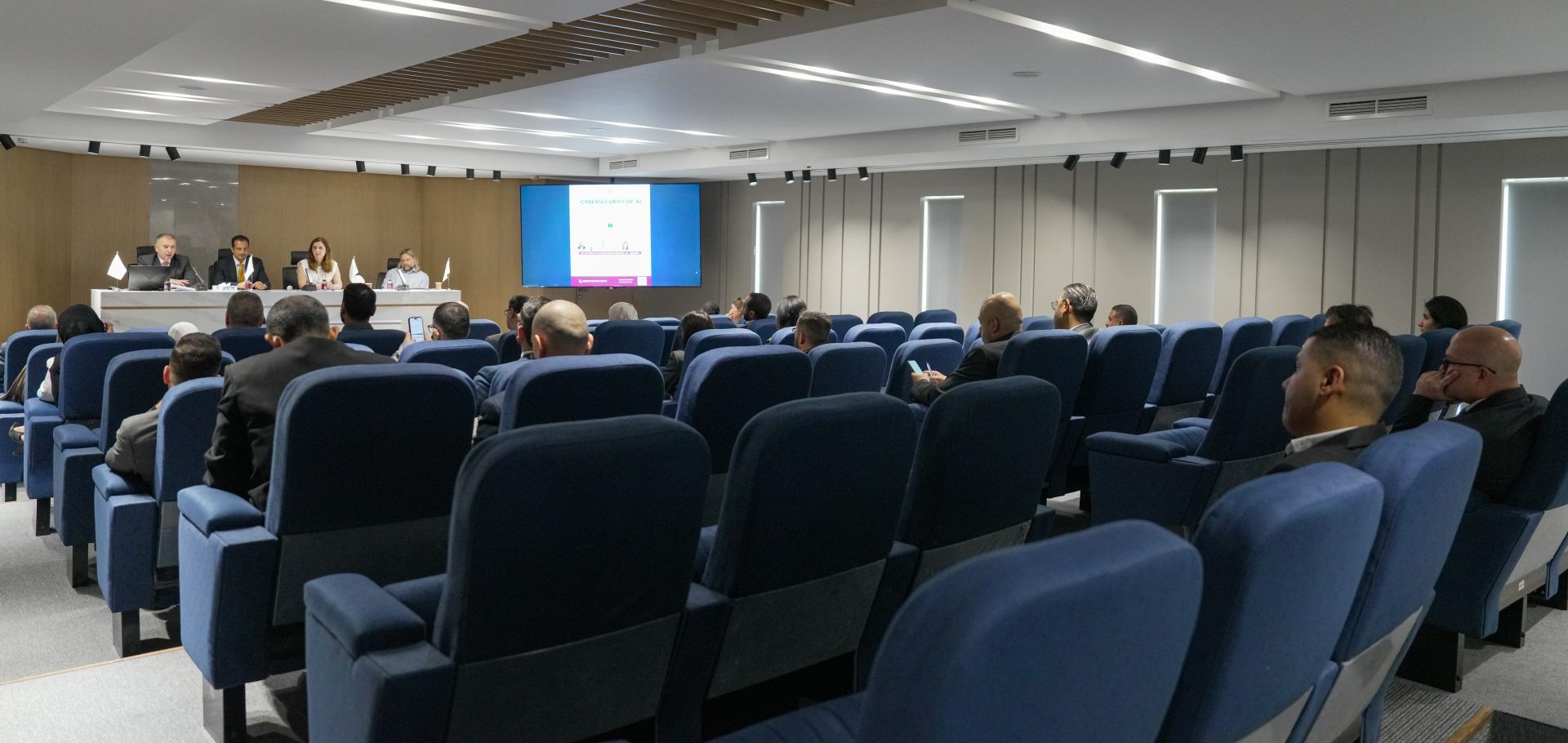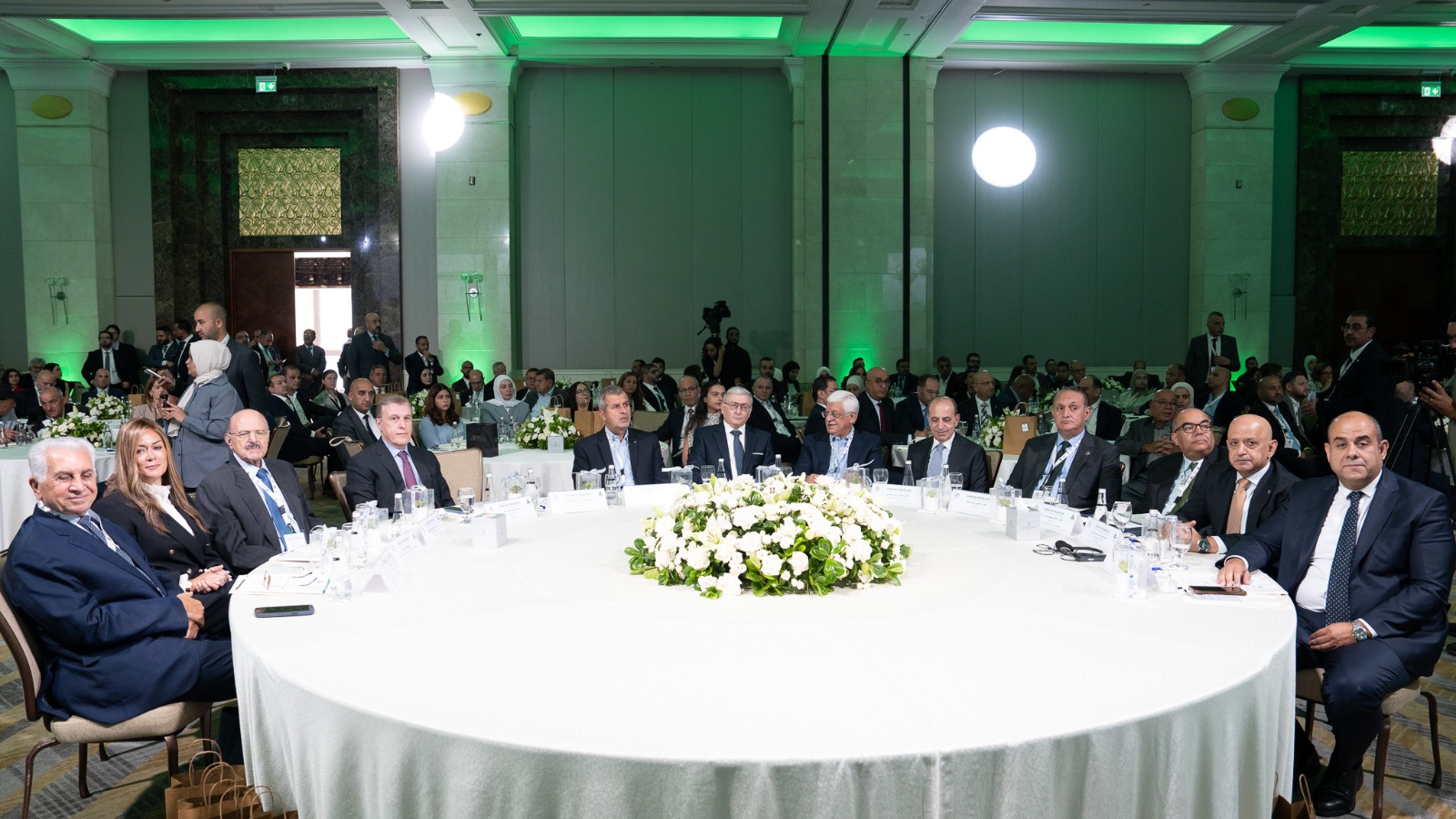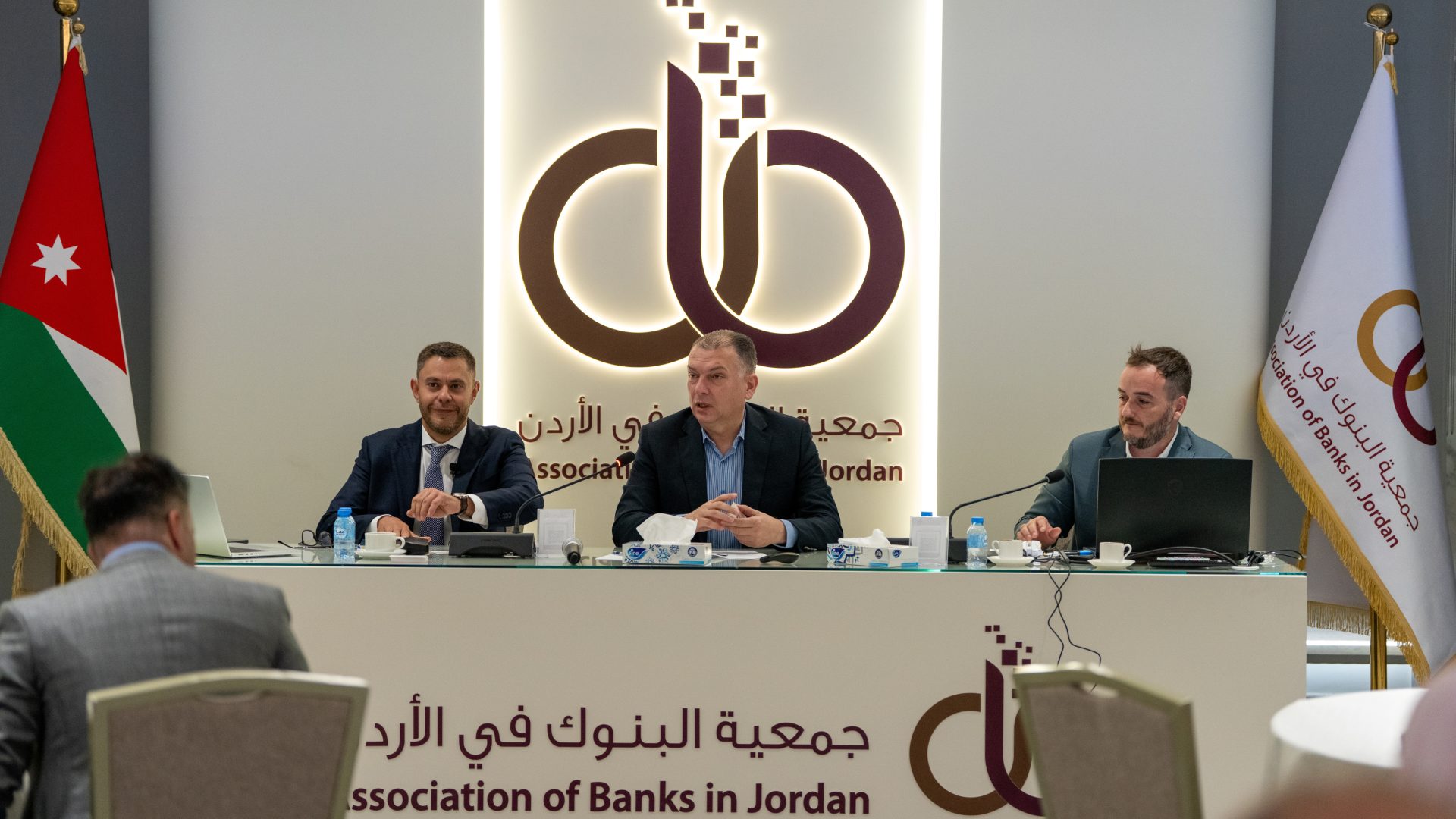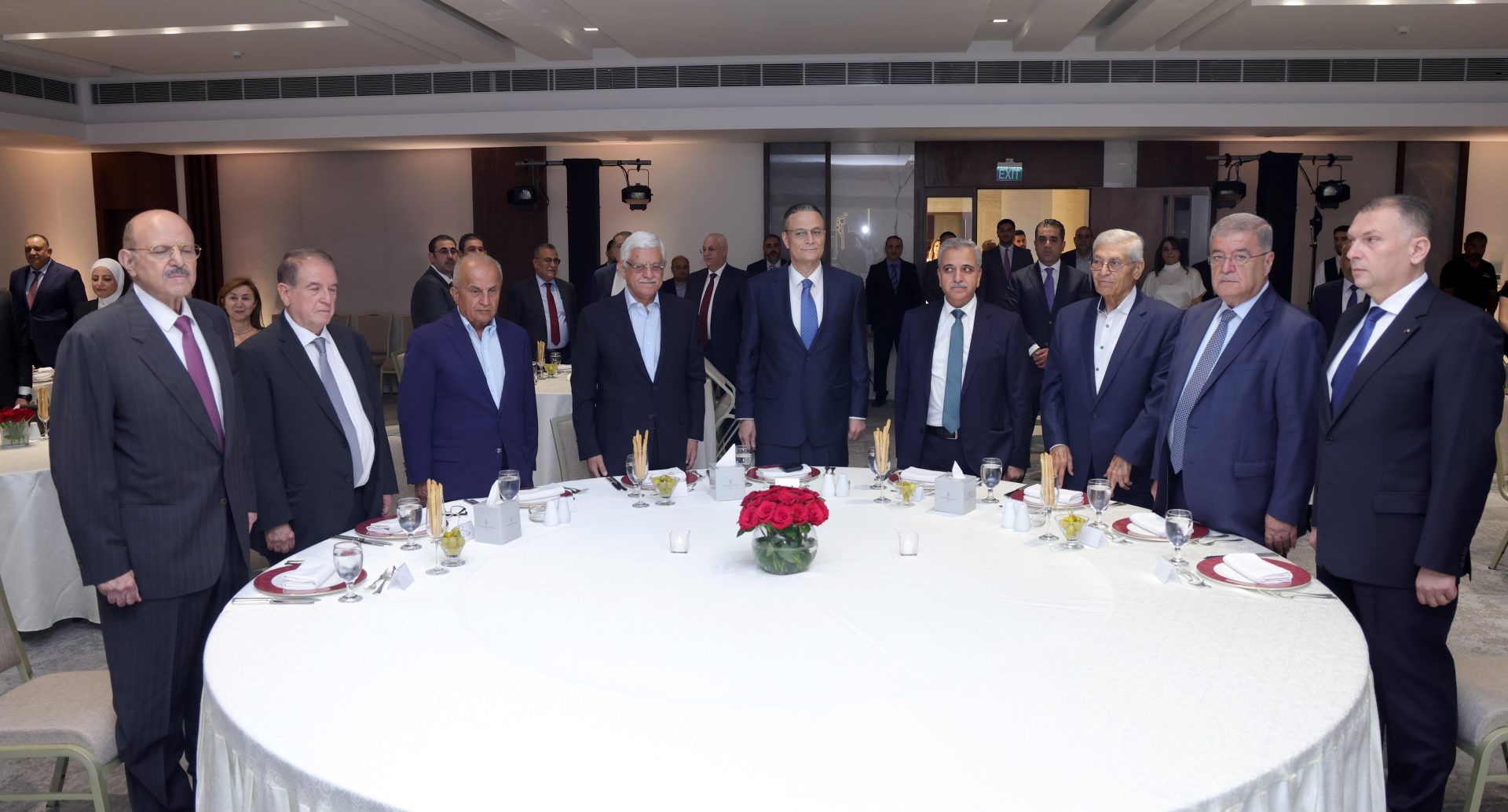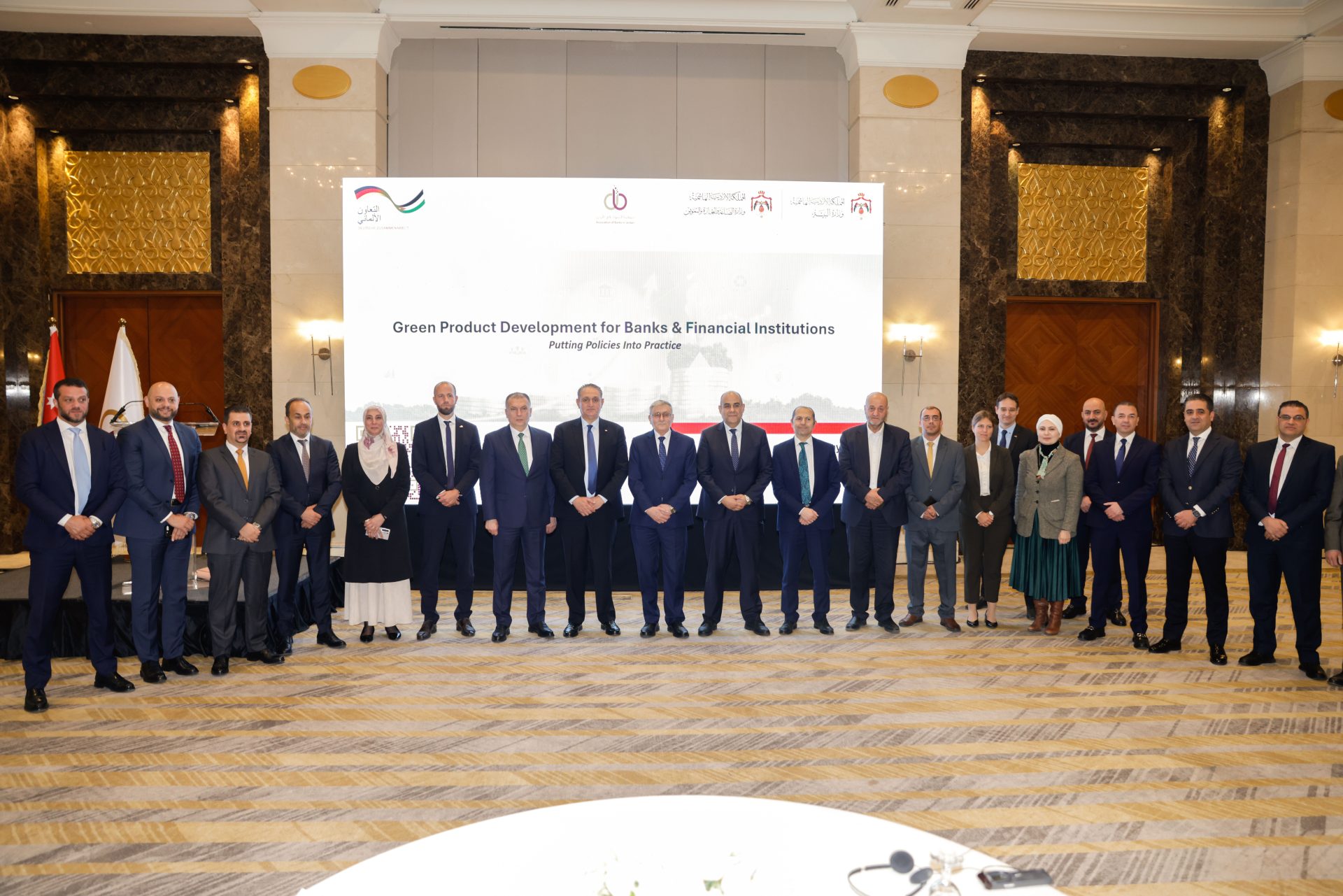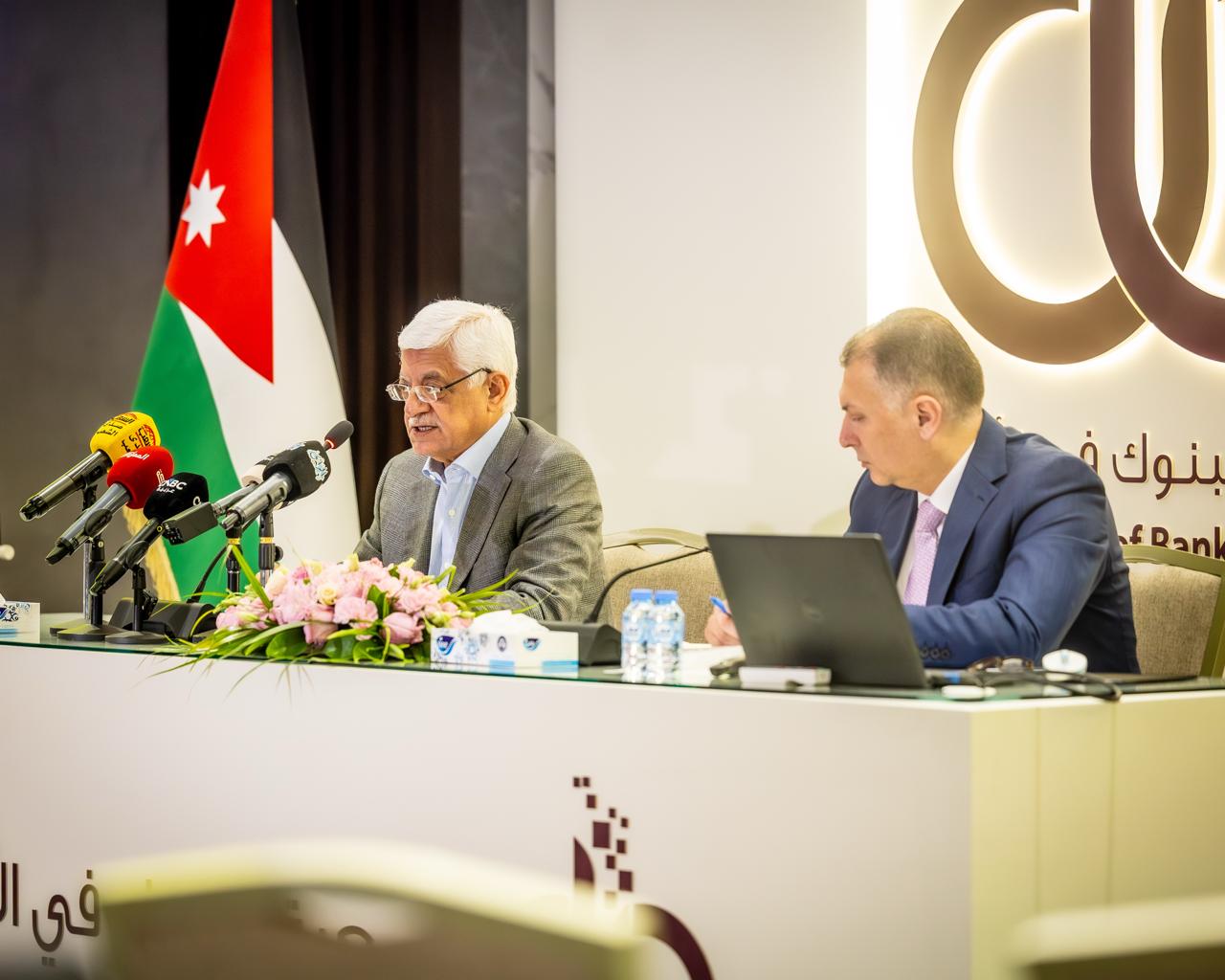



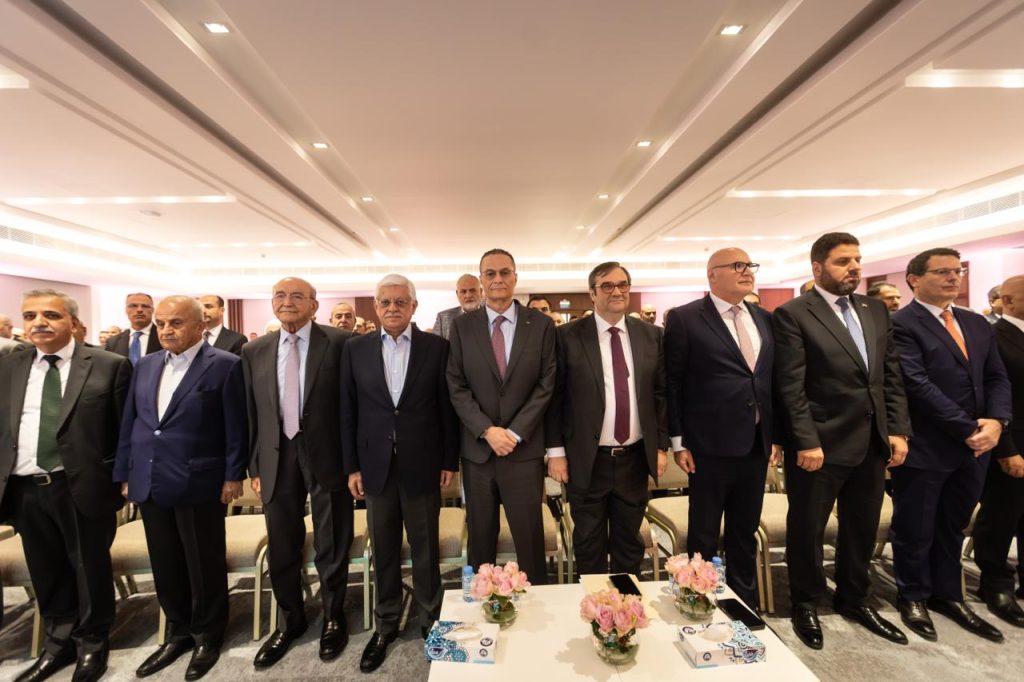
The Association of Banks in Jordan held the Jordanian–Syrian Banking Summit under the patronage of the Governor of the Central Bank of Jordan, Dr. Adel Al-Sharkas, and the Governor of the Central Bank of Syria, Dr. Abdulkader Husrieh.
The Summit was attended by the Chairman of the Association’s Board of Directors, Basem Al-Salem, the Head of the Government Economic Team, Dr. Muhannad Shehadeh, Chairmen of banks’ Boards of Directors and their General Managers, as well as the Chairman of the Jordan Chamber of Commerce, the Director of Amman Industry, regulatory bodies, the Jordan Securities Commission, and representatives of the exchange and insurance sectors.
The high level of representation at the Summit reflected the shared desire to launch a new phase of financial and banking cooperation between the two countries, in line with regional economic developments and Syria’s reconstruction path.
In his opening remarks, Dr. Al-Sharkas affirmed that the ongoing economic recovery process in the Syrian Arab Republic, along with the steps taken to reintegrate Syria into regional and global markets and the international financial system—through the removal of restrictions and the return of Syrian institutions, foremost among them the Central Bank of Syria, to operate within the regional and international financial framework—creates opportunities to open new horizons for trade and investment, strengthen economic development pathways, and support higher levels of stability and prosperity. He stressed that economic relations between Jordan and Syria hold particular weight, based on the deep historical, geographical, and social ties that connect the two countries, making economic cooperation between them a shared driver of growth and sustainable development, in line with the visions and directives of the leaderships of the two brotherly nations aimed at deepening cooperation and joint action at all levels.
In this context, Dr. Al-Sharkas welcomed the renewed momentum in bilateral cooperation, noting that the volume of trade exchange between the two countries witnessed a notable recovery during the first three quarters of 2025, reaching approximately USD 400 million, reflecting a positive trend that paves the way for greater expansion and diversification in cooperation areas in the coming period.
On the banking front, Dr. Al-Sharkas emphasized that the doors of the Central Bank of Jordan are open to entering into close cooperation with the Central Bank of Syria, including the transfer of Jordan’s accumulated expertise in financial, banking, and supervisory fields, in a manner that enhances the capability and resilience of the Syrian financial system and contributes to opening new channels for economic and financial cooperation between the two countries.
He also highlighted the strength and resilience of the Jordanian banking sector, noting that it occupies an advanced position regionally, represents a cornerstone of macroeconomic stability, and serves as a main driver of economic activity. He pointed out that banks in Jordan were able to mobilize savings amounting to approximately JOD 49.3 billion, provide credit facilities of around JOD 36.2 billion, and maintain a presence in 16 countries. He further noted that four Jordanian banks are listed among the top 1,000 banks globally, based on the financial results of 2024.
Dr. Al-Sharkas stated that the Jordanian banking sector has proven on multiple occasions its ability to absorb shocks and emerge stronger by developing innovative financial solutions that enhanced its efficiency and its capacity to keep pace with global financial and technological developments. In this regard, he affirmed that Jordanian banks are well positioned to support reconstruction and development efforts in the Syrian economy, particularly since three Jordanian banks are currently operating in the Syrian market. He noted that expanding and deepening this presence would directly contribute to transferring accumulated banking expertise to the Syrian banking sector and developing financial products and services that meet current requirements.
Dr. Al-Sharkas also pointed out that Jordan has achieved a success story and a qualitative leap in digital financial services and electronic payments, as reflected in indicators related to the spread of electronic banking channels and the growing use of digital payment tools. He stressed that this progress was driven by the widespread use of internet and mobile banking services, which enhanced financial inclusion, improved service delivery efficiency, and raised the quality of banking services provided to both individuals and businesses.
He concluded by emphasizing that there are wide and promising opportunities for cooperation to transfer Jordan’s experience in banking, digital financial services, and fintech to the Syrian side, thereby supporting the modernization of Syria’s banking sector, increasing its integration into regional and international financial markets, strengthening financial and banking linkage between the two countries, and supporting efforts aimed at reconstruction and sustainable economic development in Syria.
For his part, Basem Khalil Al-Salem, Chairman of the Board of Directors of the Association of Banks, welcomed the participating delegations, stating that the meeting of Jordanian and Syrian banking and economic leadership under one roof represents a clear translation of a political and economic will moving toward building a deeper and more systematic phase of cooperation between the two countries.
He noted that the relationship between Jordan and Syria is deeply rooted, shaped by connected geography, shared history, a common culture, and extended family ties across generations. He stressed that Jordan has remained keen on Syria’s stability and prosperity, while Syria has remained a natural depth for Jordan and an important economic and social partner.
He added that the current opportunity appears favorable to deepen cooperation not only at the governmental level, but also through the private sector—especially banks, which have the ability to play a pivotal role in supporting economic integration and rebuilding the ties that have been affected in recent years.
Al-Salem emphasized that Jordan’s vision toward Syria is aligned with what His Majesty King Abdullah II has repeatedly affirmed regarding the necessity of standing by the Syrian people and supporting their efforts to restore stability and prosperity.
He stated that the Jordanian banking sector has demonstrated over past decades its ability to adhere to international standards, maintain strong levels of capital, ample liquidity, high asset quality, and effective governance—factors that have contributed to stability and supported economic growth. He noted that this strength is the result of effective supervision exercised by the Central Bank of Jordan for more than half a century, as well as the qualified human capital possessed by the banking sector.
Al-Salem explained that the Jordanian banking sector now stands on the threshold of an advanced stage, confidently moving toward digital banks supported by artificial intelligence, instant payments, and advanced compliance systems—making it a natural and worthy partner for supporting the development of financial sectors in the region.
He affirmed that Syria’s challenges are significant, but the opportunities of the coming phase are broader and more diverse, whether in energy, transport, agriculture, industry, trade, and services, or in the substantial financing needs for reconstruction, restructuring the banking sector, developing technical systems, and building human capital.
He announced that the Jordanian banking sector places its expertise, institutional capacities, and long-standing experience at the disposal of its Syrian counterparts, proposing a framework for Jordanian–Syrian banking dialogue based on practical principles, including forming a joint banking committee, ensuring a safe and transparent environment to attract financing, expanding banking partnerships, strengthening digital and technical integration, developing compliance and governance mechanisms and data exchange, and establishing a shared vision for a modern banking sector in Syria capable of supporting reconstruction and sustainable development.
Meanwhile, Dr. Abdulkader Husrieh, Governor of the Central Bank of Syria, affirmed that the meeting comes at a critical stage in which the global economy is witnessing major transformations related to political fluctuations, inflation cycles, supply chains, and rapid developments in financial technology.
He stated that banks in Syria and Jordan have played an important role in recent years in maintaining financial stability, securing financing for productive sectors, supporting bilateral trade, and developing digital infrastructure, noting that this meeting establishes a new phase of integration between the two countries.
Husrieh explained that exchange rate stability and effective monetary policy constitute the basis for any investment environment, and that the Central Bank of Syria is working to strengthen its monetary tools, improve reserve management, and develop cash flow monitoring systems in cooperation with international institutions. He also highlighted efforts to modernize banking legislation in line with global standards in governance and credit regulation, and to develop financial infrastructure by upgrading the real-time gross settlement system, launching a national banking networks center, implementing a national credit classification system, and enhancing cybersecurity.
He stressed the importance of practical cooperation between Jordanian and Syrian banks through developing settlement and transfer channels, launching joint financing programs for industry, agriculture, energy, and transport sectors, exchanging expertise in risk management, enhancing financial inclusion and digital transformation, and organizing joint meetings to identify financing needs.
He confirmed that Syria is entering a new phase of rehabilitating facilities and expanding its productive base, noting broad investment opportunities in food and manufacturing industries, modern agriculture, energy, construction, transport, and technology. He called for banking partnerships that enable turning these opportunities into actual projects.
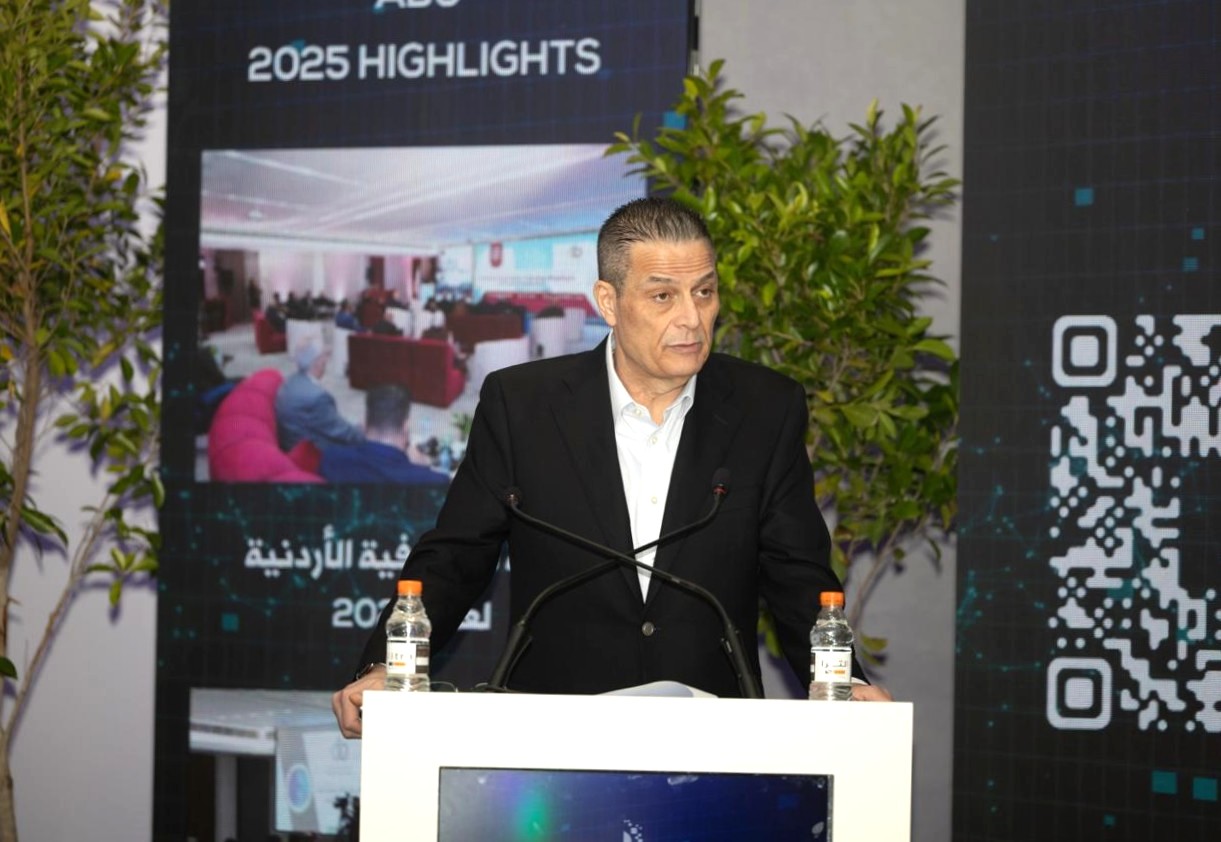
Dr. Maher Al-Mahrouq, Director General of the Association of Banks in Jordan, presented a comprehensive overview of the Jordanian banking sector, affirming that it is one of the most important pillars of the national economy and among the most regulated sectors due to the advanced supervisory framework led by the Central Bank of Jordan.
He explained that the sector consists of 15 Jordanian banks and five foreign banks, including Islamic and commercial banks, and that the size of the branch network and the volume of credit facilities make it capable of meeting the economy’s financing needs with high efficiency.
Al-Mahrouq noted that the sector is characterized by diverse services and the ability to reach various segments of society, supported by a modern banking services ecosystem anchored in digital transformation and compliance with cybersecurity standards, with 84% of services now provided through electronic channels.
He further stated that the sector’s total assets are equivalent to GDP, deposits amount to 112% of GDP, while credit facilities are approaching USD 50 billion—indicators that confirm the banking sector as one of the main engines of economic growth. He added that the strength of financial indicators—capital adequacy, liquidity, and non-performing loan ratios—reflects the reputation of the Jordanian banking sector and the confidence of international institutions in it.
The Summit concluded by emphasizing that the coming phase will witness practical steps to strengthen Jordanian–Syrian banking cooperation through the formation of joint committees, launching financing programs, exchanging expertise, developing technical systems, and creating a safe and transparent financial environment, in a manner that contributes to supporting reconstruction in Syria and enhancing economic integration between the two countries.