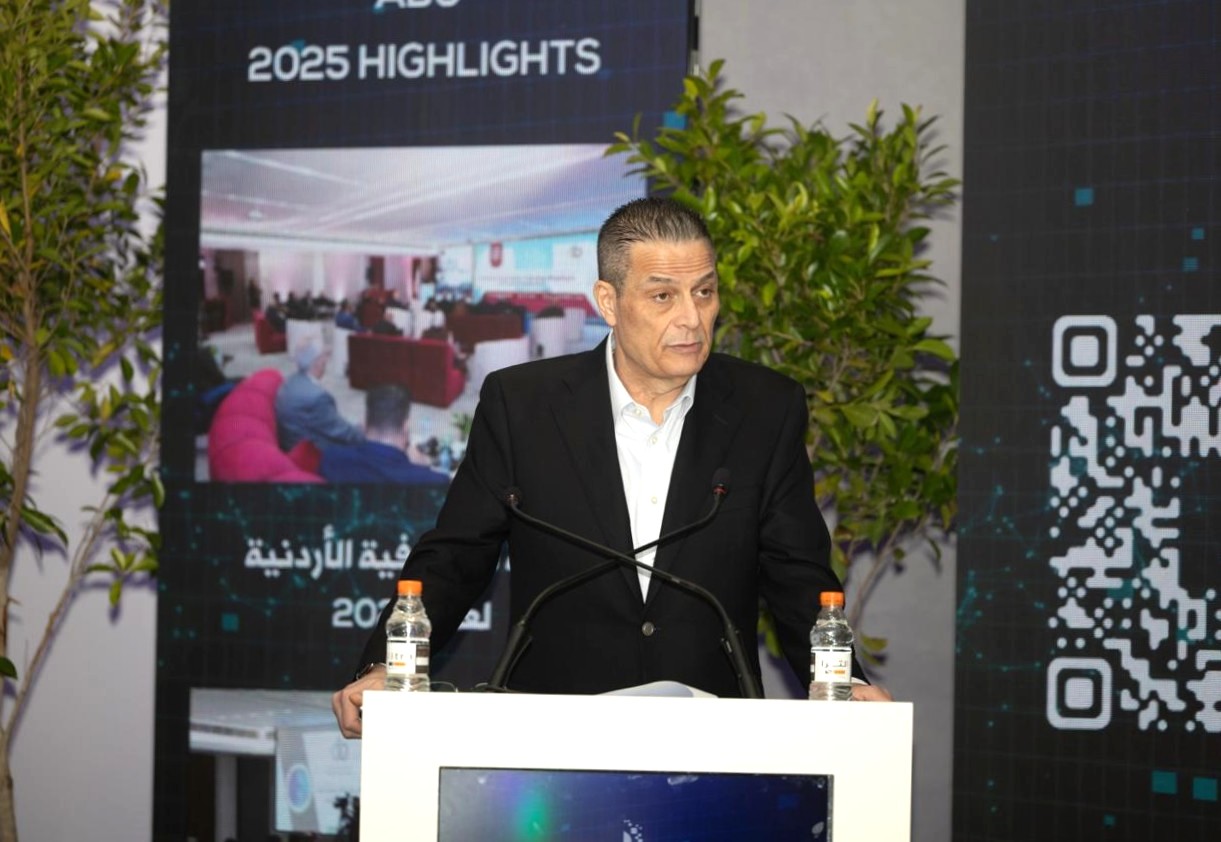



Al-Sharkas:
-The first executive program of the Economic Modernization Vision contributed to strengthening growth momentum, encouraging investment, and deepening partnership with the private sector.
-Expectations indicate that national economic growth will rise to 3% in 2026 with the commencement of major infrastructure projects, and exceed 4% in 2028.
-Foreign reserves at the Central Bank increased to USD 28.5 billion by the end of January 2026, sufficient to cover more than ten months of the Kingdom’s imports of goods and services.
-The monetary policy of the Central Bank of Jordan has proven successful in maintaining monetary and financial stability, thereby supporting the economy’s ability to grow within a balanced and sustainable framework.
-Inflation stabilized at a level below 2% in 2025, with expectations for it to remain around this level in 2026.
-The Jordanian banking sector demonstrated high resilience and robustness in the face of surrounding conditions and played a pivotal role in supporting growth and stabilizing the national economy.
Al-Salem:
-The Banking Summit is a key annual milestone for strategic dialogue on the future of the banking sector and a platform for the exchange of perspectives.
-International reports and credit rating agency assessments confirmed the soundness, stability, and shock-absorption capacity of the Jordanian banking system.
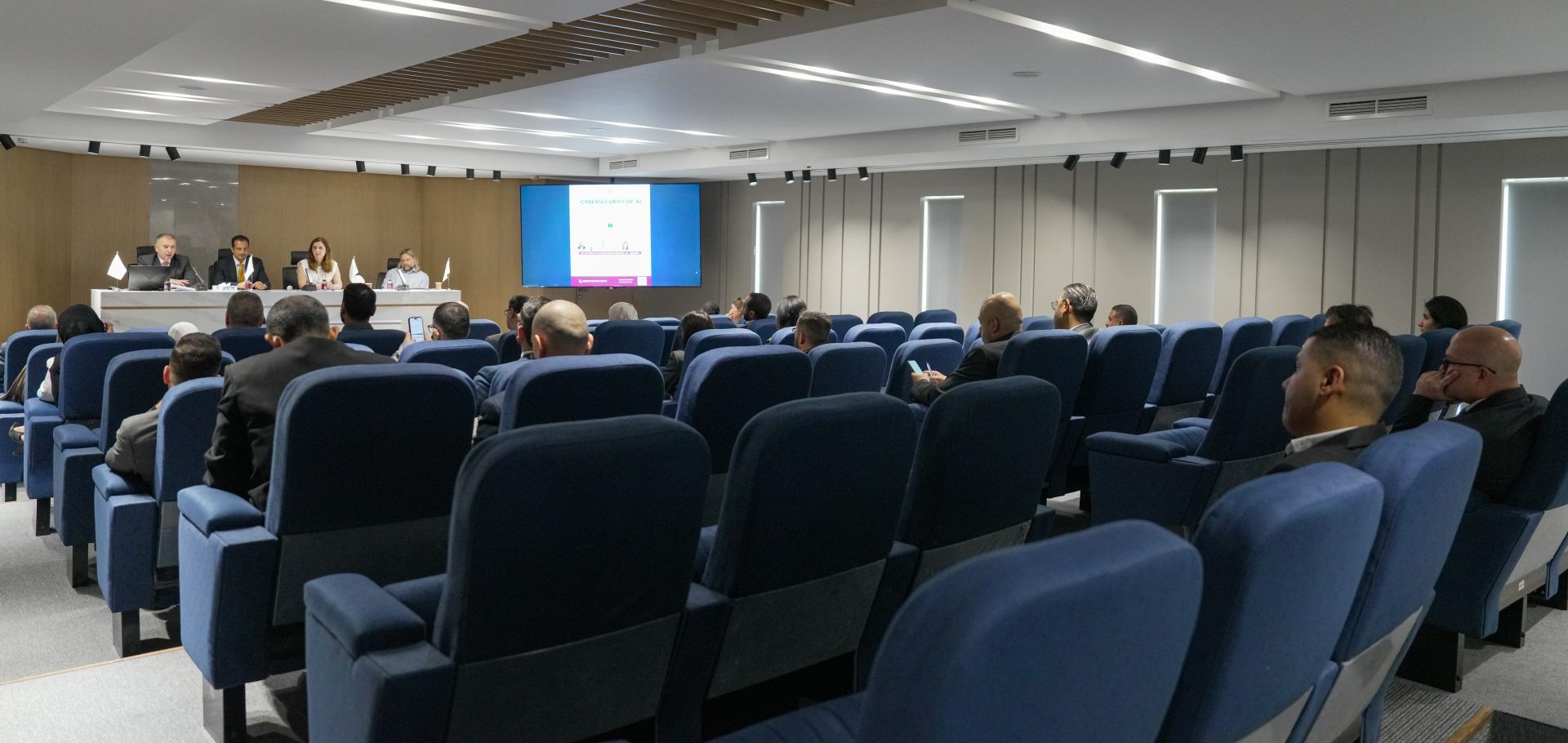
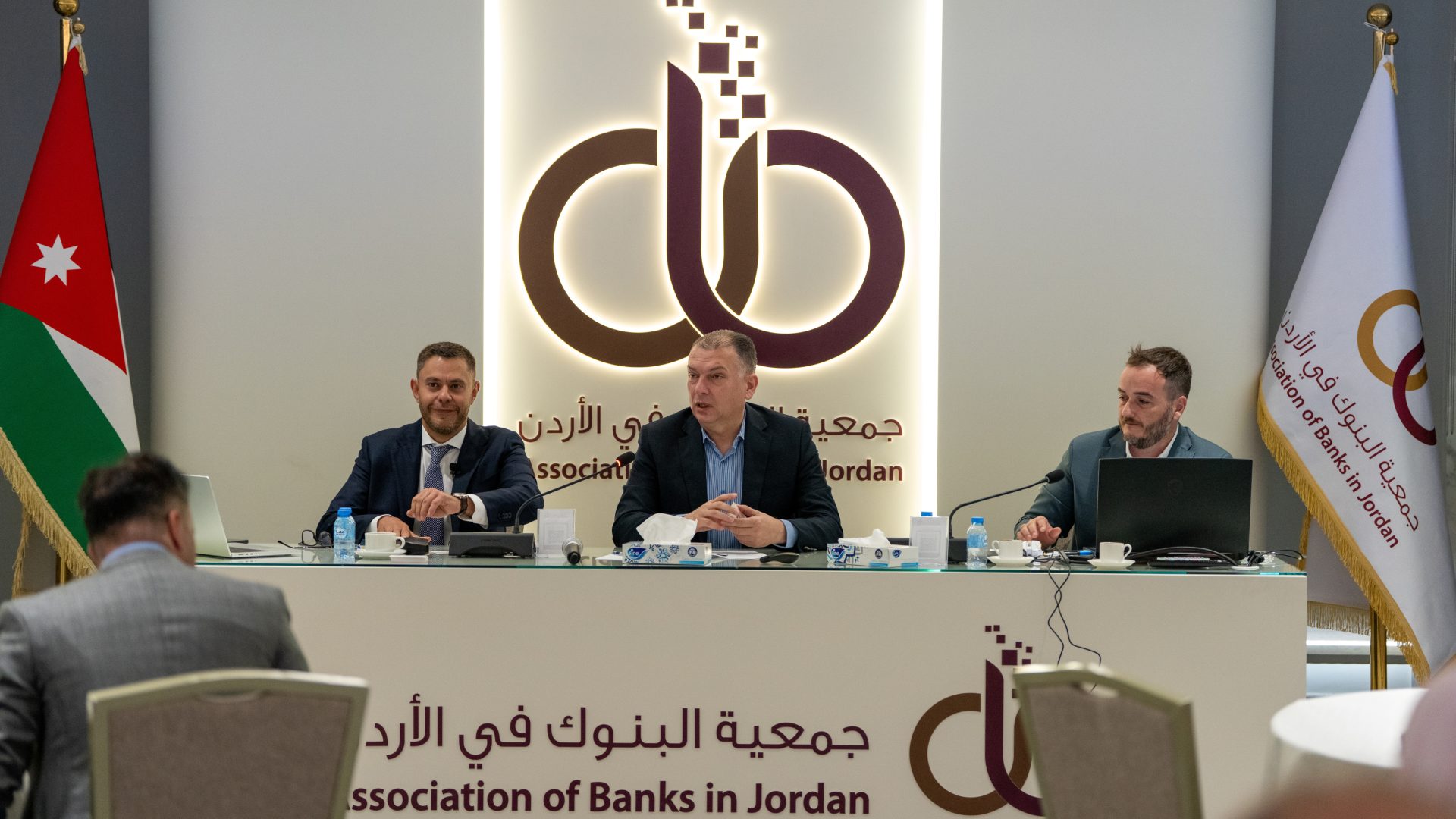
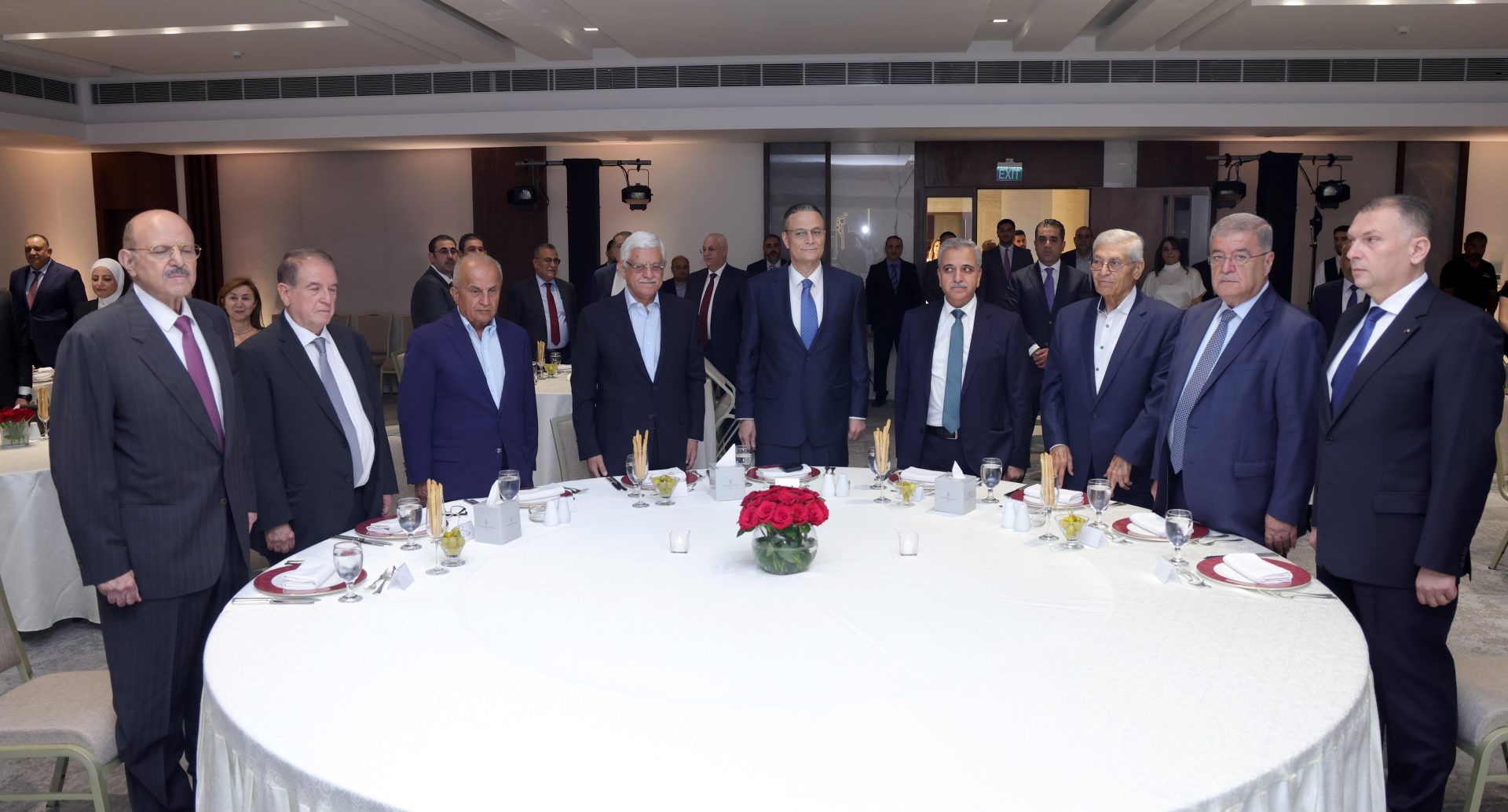
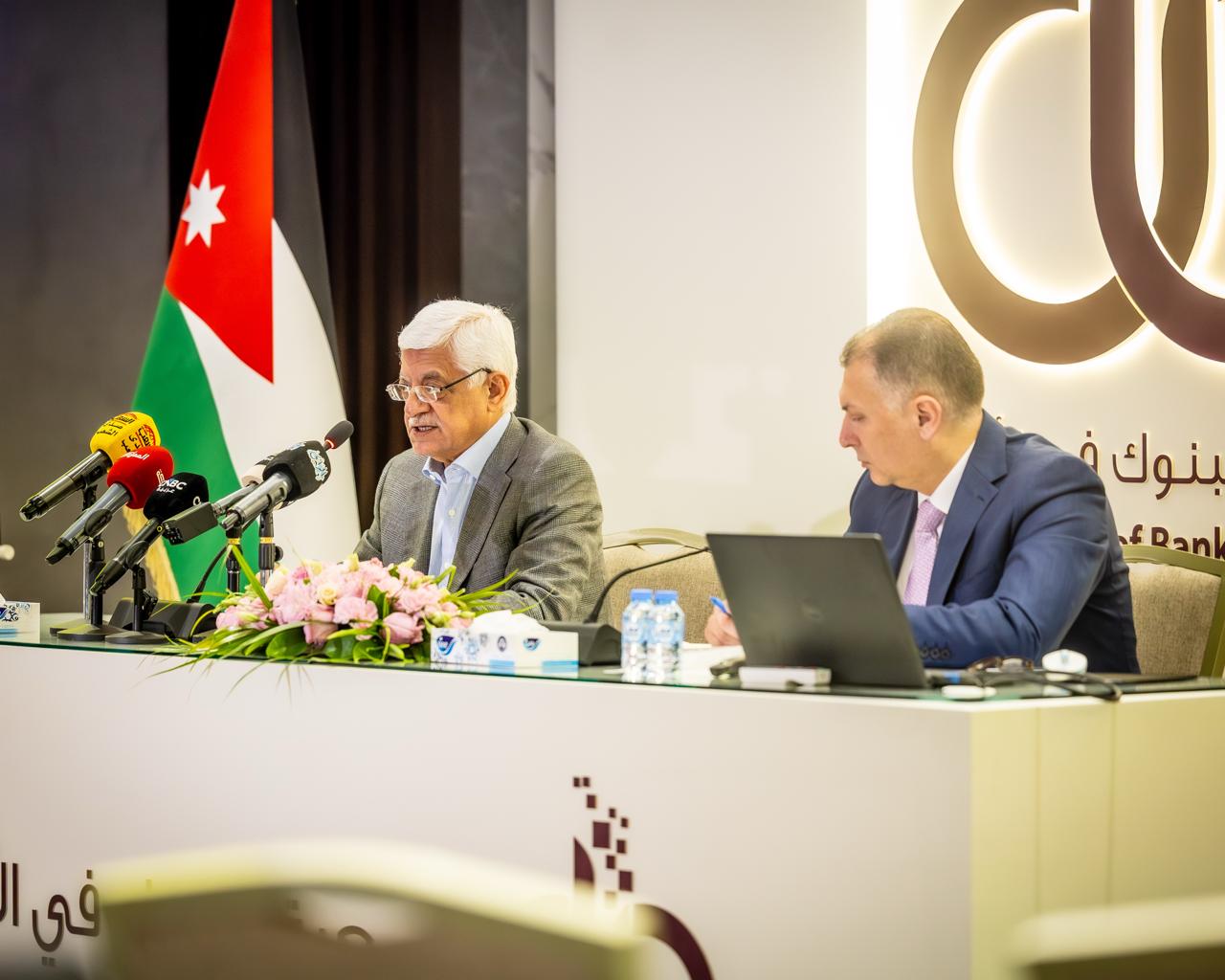
The Association of Banks in Jordan held the 2026 Banking Summit entitled “Shaping the Future of Financial Innovation” under the patronage of the Governor of the Central Bank of Jordan, His Excellency Dr. Adel Al-Sharkas, with broad participation from leaders of the banking and financial sectors, as well as experts and specialists from local and international institutions. The Summit was convened at a time when the world is experiencing rapid economic changes, underscoring the need to enhance resilience and the capacity to adapt to such changes. During the Summit, a range of economic and financial issues at both the global and regional levels were discussed, including global and regional economic prospects and their implications for the national economy, in addition to addressing key banking issues, foremost among them the future of banking in light of accelerated digital transformation.
In his opening address at the Summit, Dr. Al-Sharkas stated that the global economy faced intertwined challenges during 2025, including shifts in trade policies—particularly those related to tariffs—alongside regional and international geopolitical disruptions. He noted that these conditions continue to reshape the global economic landscape amid open-ended scenarios with multiple possibilities, requiring heightened vigilance, flexibility, and close coordination among various policies to strengthen the resilience of the global economy and sustain support for sustainable development.
Dr. Al-Sharkas pointed out that 2025 constituted a test of the resilience and fortitude of the Jordanian economy and its ability to adapt to external conditions. He explained that the Jordanian economy continued its path of improvement, recording growth of 2.7% in the first quarter of 2025 and 2.8% in both the second and third quarters, following growth of 2.6% for the full year 2024. He emphasized that this performance reflects the firm commitment of the government and national institutions to implementing the Kingdom’s comprehensive reform agenda, supported by the positive performance of several economic indicators, particularly those related to the external sector.
Dr. Al-Sharkas affirmed the success of monetary policy in achieving its objectives of maintaining monetary and financial stability and supporting economic growth within a balanced framework. He cited the strong performance of monetary indicators, noting that foreign reserves at the Central Bank rose to USD 28.5 billion by the end of January 2026, covering more than ten months of imports of goods and services. He also noted that the dollarization ratio declined to 17.6% by the end of 2025. He added that inflation in 2025 aligned with Central Bank estimates, remaining below 2%, with expectations for it to remain around this level in 2026, thereby preserving purchasing power and enhancing the planning and investment environment.
Dr. Al-Sharkas praised the efforts of the Jordanian banking sector in applying good governance, institutional discipline, and prudent risk management. He noted that banks maintained their soundness, profitability, and stability despite heightened geopolitical uncertainty, market volatility, and rapid financial innovation—reflected clearly in their 2025 financial results and their continued role as a primary financing channel for economic sectors. He highlighted that banks’ assets grew by 6.0% by the end of 2025 to reach JOD 74.1 billion, deposits increased by approximately 7.1% to JOD 50 billion, and credit facilities grew by 3.7% to reach JOD 36.1 billion by year-end 2025. He also commended the banking sector’s adoption of digital solutions and modern financial technologies, leveraging the advanced digital infrastructure provided by the Central Bank, which enabled approximately 84% of banking services to be conducted electronically without the need to visit bank branches.
Dr. Al-Sharkas further noted that the value of transactions executed through national payment systems (eFawateercom, CliQ, JoMoPay) exceeded JOD 42 billion during 2025—more than 100% of GDP. He explained that, recognizing the importance of keeping pace with technological developments, the Central Bank launched in July 2025 the “Regulatory Framework for the Use of Artificial Intelligence in the Jordanian Banking Sector”, aimed at providing regulatory guidance to help financial institutions adopt AI technologies in a measured and responsible manner.
He added that the Central Bank successfully completed all its projects under the first executive program (2023–2025) of the Economic Modernization Vision and confirmed its continued role in advancing digital transformation, cybersecurity, green finance, artificial intelligence, financial innovation, and future skills development under the targets of the second executive program (2026–2029).
For his part, Mr. Bassem Al-Salem, Chairman of the Board of the Association of Banks in Jordan, affirmed that the Banking Summit has become a key annual platform for strategic dialogue on the future of the banking sector and for exchanging views on regional and international economic and financial challenges, as well as reviewing development pathways in the financial industry. He expressed his appreciation to the Governor of the Central Bank for his patronage and continuous support of the banking sector.
Mr. Al-Salem explained that this year’s Summit is being held amid a global environment characterized by heightened risks and slowing growth in some major economies, alongside the emergence of new opportunities in digital transformation, artificial intelligence, and sustainable finance. He noted that discussion themes focus on global economic prospects, macroeconomic and sectoral risks, the future of banking in light of technological acceleration, and the role of sustainable finance in supporting economic growth in Jordan and the region.
He emphasized that the Jordanian economy has demonstrated its ability in recent years to withstand and adapt to challenges, supported by prudent monetary and fiscal policies, gradual structural reforms, and effective public-private partnerships. Meanwhile, the banking sector continues to play its pivotal role as a key driver of growth by financing productive sectors, supporting small and medium-sized enterprises, promoting financial inclusion, and adopting modern digital solutions.
Mr. Al-Salem added that international reports and credit rating agency assessments have confirmed the soundness, stability, and resilience of the Jordanian banking system, reflecting the strength of regulatory frameworks, capital adequacy, and risk management quality. He stressed that the coming phase requires intensified efforts to keep pace with global transformations in financial technology, data analytics, and green finance, ensuring competitiveness while maintaining a balance between stability and growth.
He concluded by affirming that the Summit represents a platform for responsible dialogue and knowledge exchange, expressing hope that its outcomes will contribute practical ideas and constructive recommendations that support decision-makers and enhance cooperation among stakeholders, leading to a shared vision that shapes a prosperous future for the banking sector and the Jordanian economy.
The Summit also featured a number of dialogue sessions. In the first session, entitled “Global Economic Outlook,” Mr. Christian Fang, Sovereign Ratings Analyst at Moody’s, noted that the global economic outlook for 2026 remains negative due to uncertainty in global economic policies and rising debt levels, despite the relative resilience of some economies. In the second session, “Middle East and North Africa Economic Outlook,” Ms. Alia Moubayed from Jefferies discussed regional growth trajectories, challenges related to geopolitical tensions, and opportunities for economic transformation. The third session focused on “The Future of Banking,” including artificial intelligence and emerging technologies and their impact on the financial industry, with the participation of several international experts from global financial institutions.