


– Implementation of 19 schools distributed across 10 governorates within the three regions, at a total cost of 34.6 million Dinars
– Minister of Education: The banks’ initiative represented an unprecedented qualitative addition to the education sector
– Minister of Education: The initiative contributed to providing 350 new classrooms with a capacity of approximately 12,000 students
– Al-Salem: What has been achieved during the first year represents a practical model of the banking sector’s ability to translate its institutional commitment into tangible results
– Al-Salem: Achieving fair geographic distribution of projects across the Kingdom’s governorates, supporting educational infrastructure, and accommodating the increase in student numbers
– Al-Salem: Close cooperation with the Government, the Central Bank, and banks has accelerated the pace of work, ensured smooth procedures, and maintained adherence to timelines
– Al-Mahrouq: The initiative was built on clear foundations based on prior planning and coordination with the relevant government entities
– Al-Mahrouq: The next stage will build upon what has been achieved, expanding into health sector projects to reinforce the comprehensive developmental impact of the initiative.
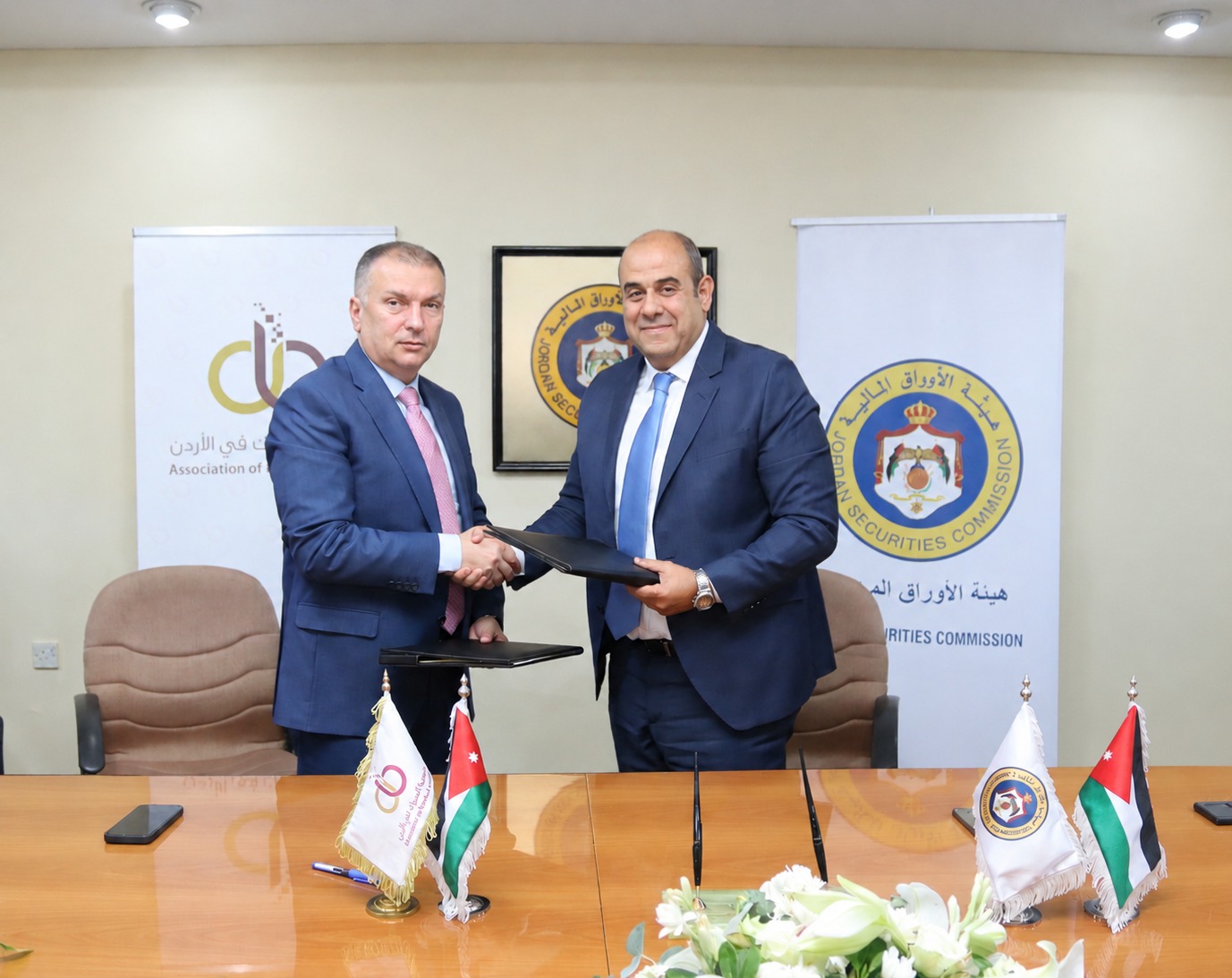
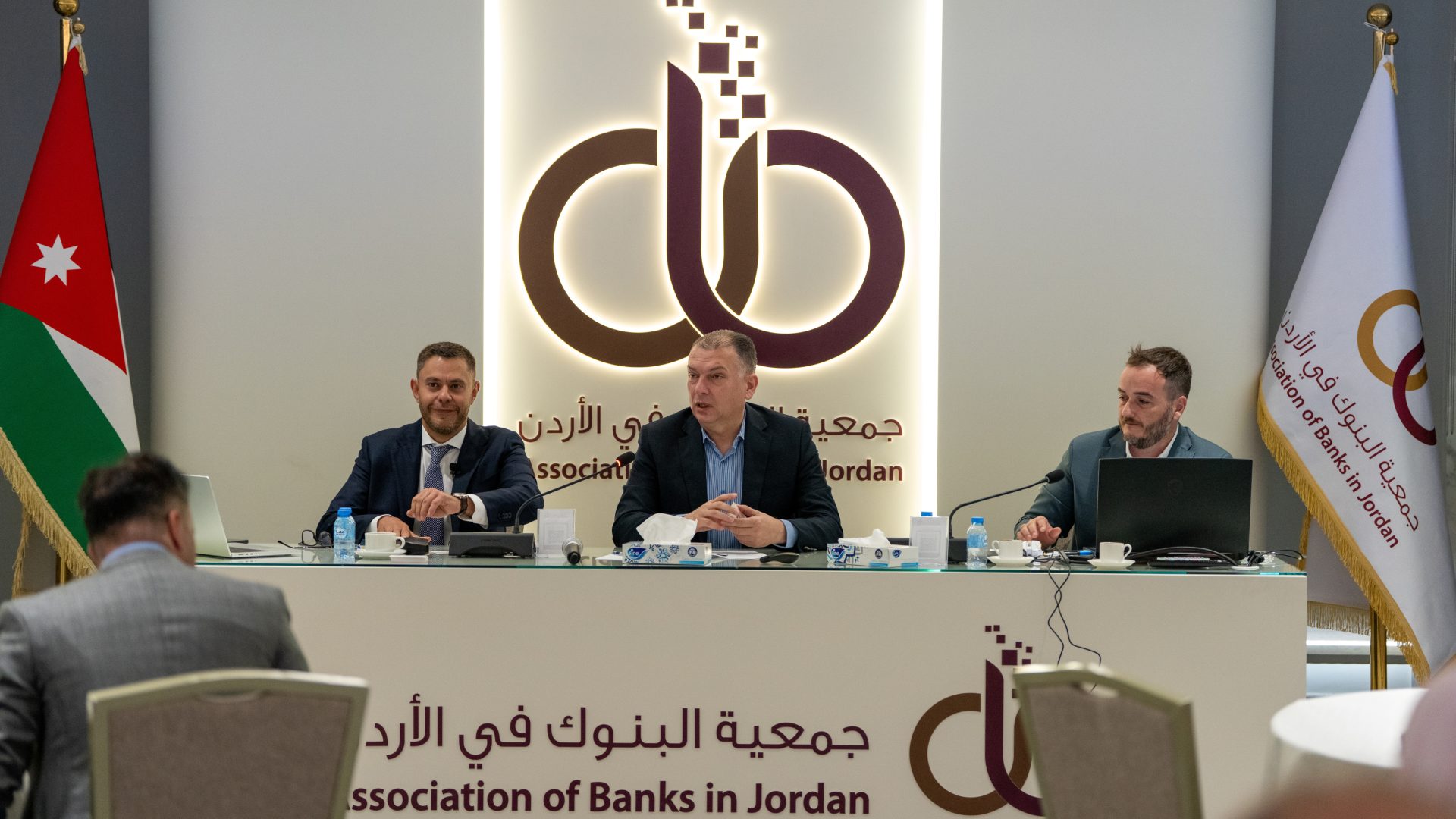
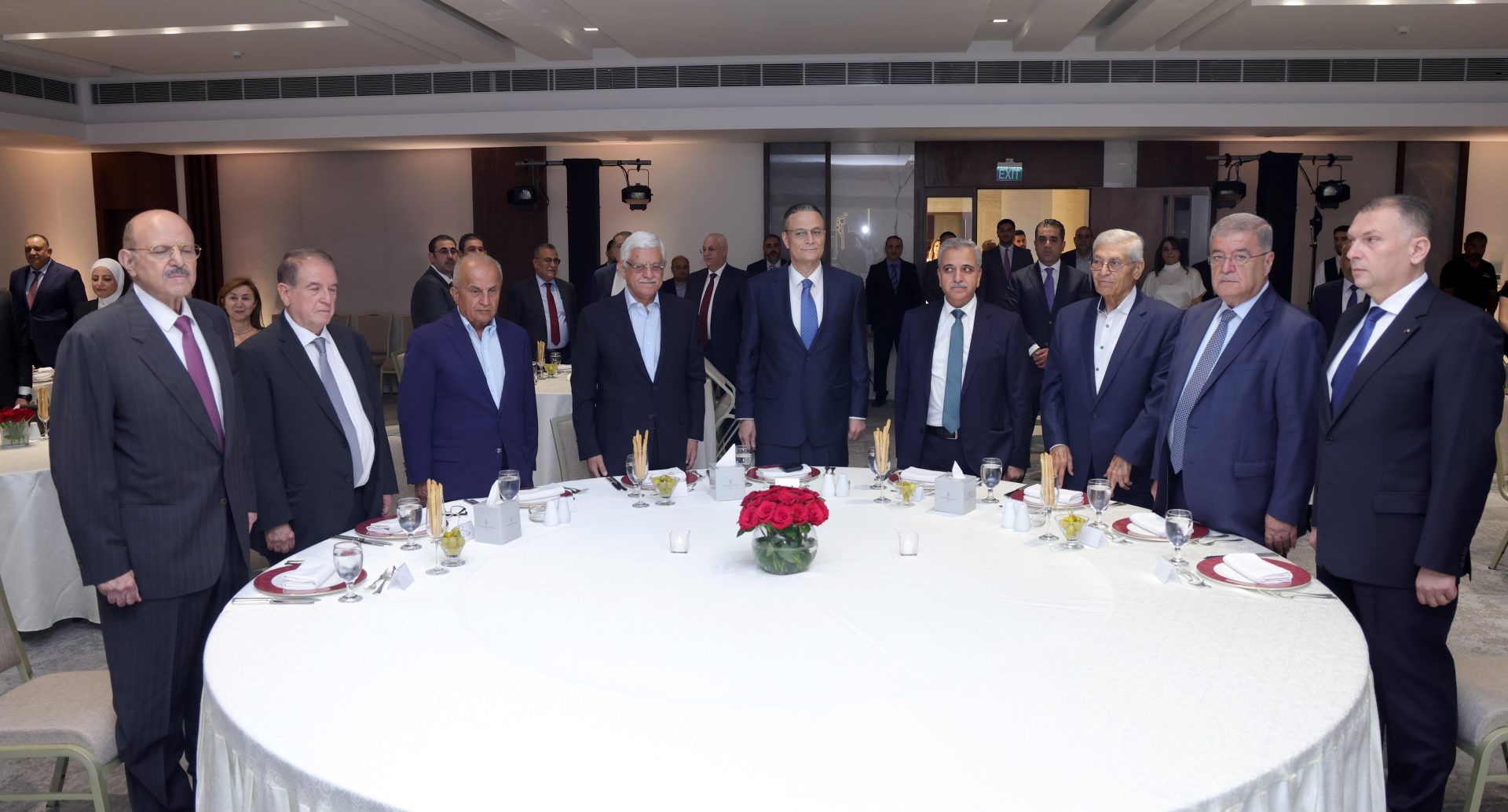
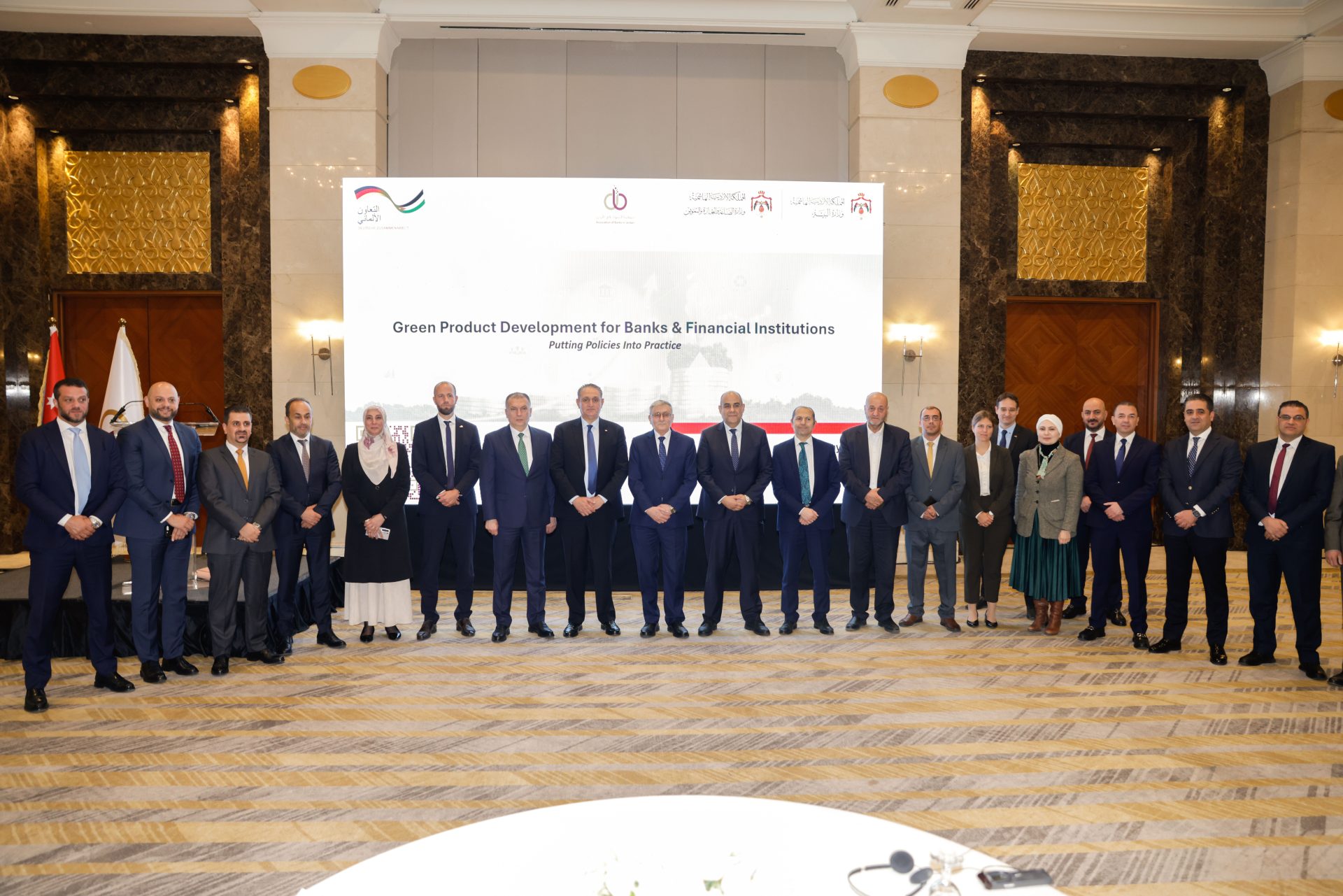
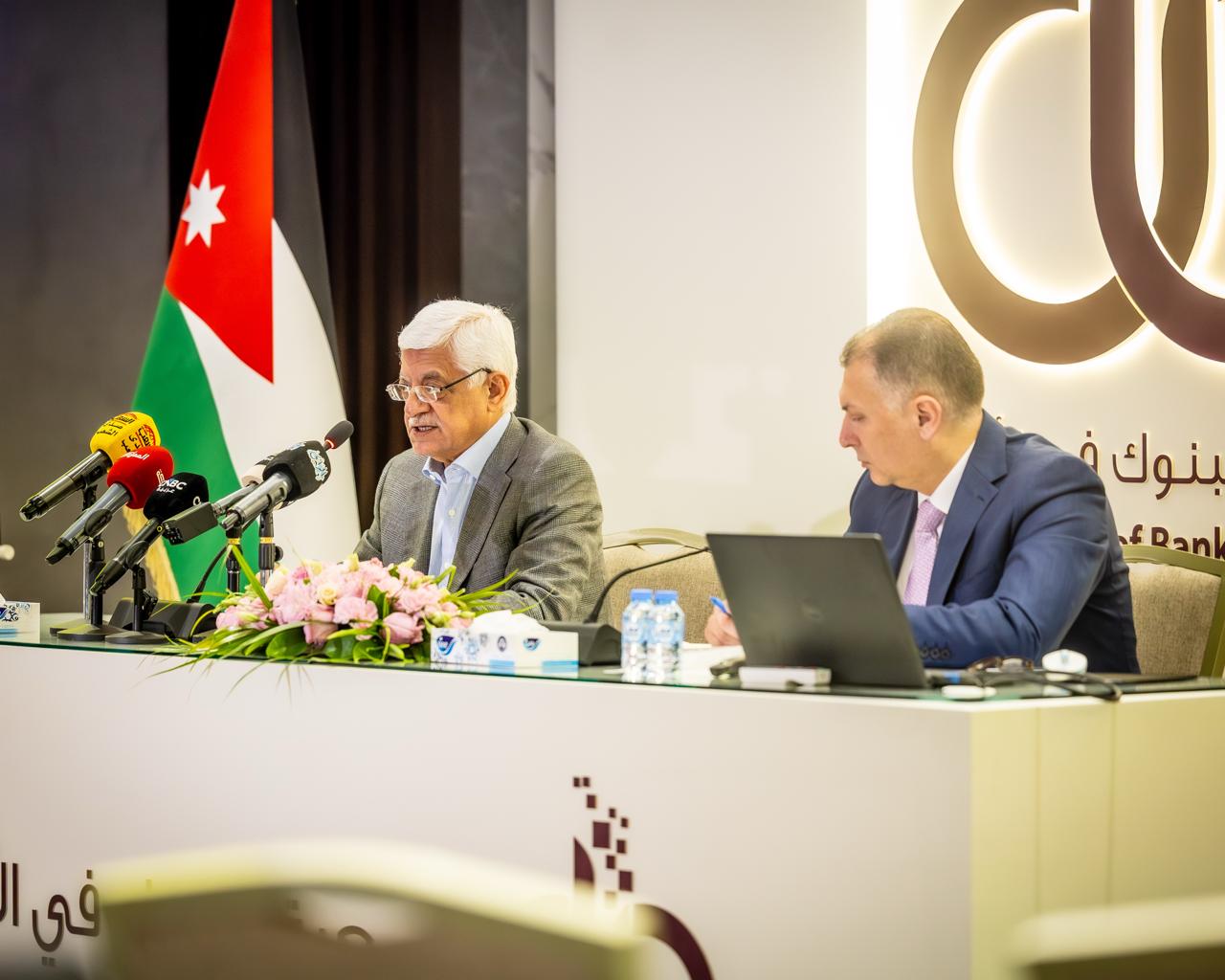
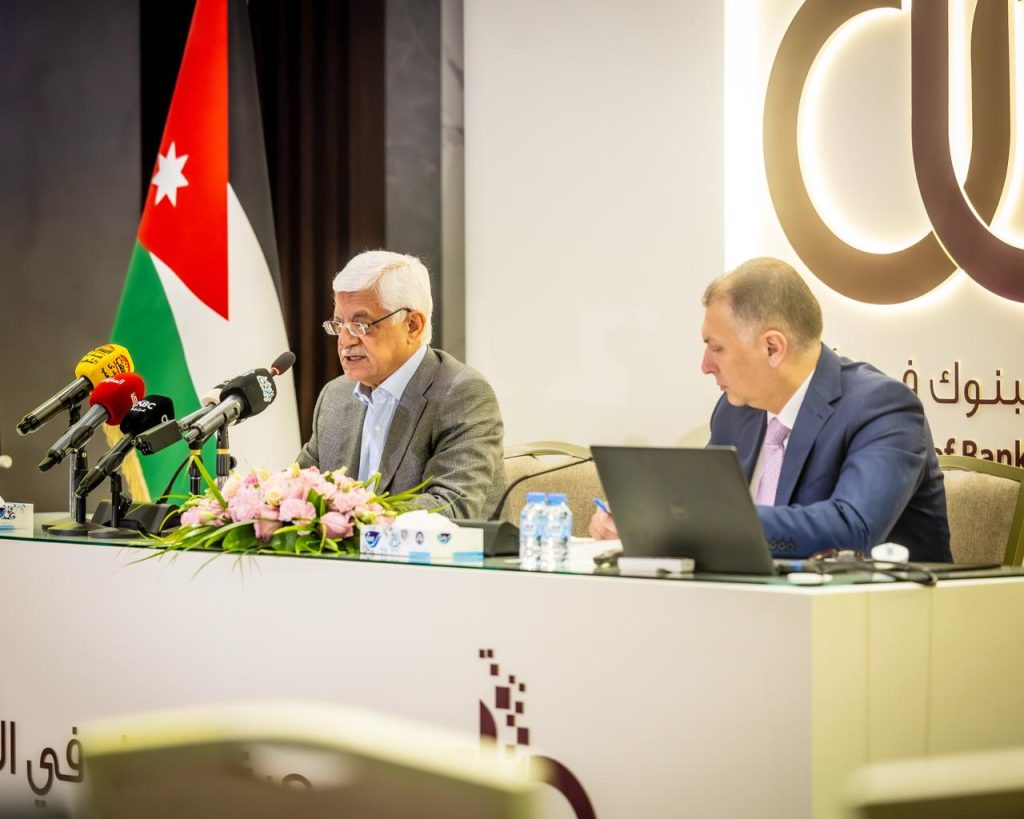
The Association of Banks in Jordan announced the results of the first year of the Banks’ Initiative to Support the Education and Health Sectors, which was launched in March 2025, during a press conference held on Monday, in the presence of the Chairman of the Association of Banks, Basem Khalil Al-Salem; the Minister of Economic Affairs, Muhannad Shehadeh; and the Minister of Education and Minister of Higher Education and Scientific Research, Dr. Azmi Mahafzah. The initiative is part of a three-year program with total allocations amounting to 90 million Dinars.
The initiative entails allocating 30 million Dinars annually to implement development projects in the education and health sectors, including the construction of schools and health facilities across the Kingdom’s governorates. This comes within a national approach aimed at strengthening investment in essential service sectors and keeping pace with growing demand for them, while also directing banks’ corporate social responsibility contributions within an institutional program based on planning, coordination, and governance.
The results of the first year, extending from March 2025 to March 2026, demonstrated a full focus on the education sector, through the implementation of 19 schools distributed across 10 governorates within the three regions, at a total cost of 34.6 million Dinars. The value of payments disbursed from the initiative’s account by the end of April 2026 reached 24.7 million Dinars.
Eighteen banks operating in the Kingdom participated in the initiative, in a step that reflects the banking sector’s commitment to strengthening its developmental role and reinforcing its contribution to supporting national priorities through initiatives with direct and measurable impact.
The Minister of Education, Higher Education and Scientific Research, Dr. Azmi Mahafzah, affirmed that the banks’ initiative represented an unprecedented qualitative addition to the education sector. He noted that it contributed to providing 350 new classrooms with a capacity of approximately 12,000 students, which directly helped reduce overcrowding and improve the educational environment in several areas with high population density.
He explained that these results enabled the Ministry to dispense with 14 rented schools that had been operating on a double-shift system, thereby enhancing the stability of the educational process and improving the efficiency of resource utilization. He also noted that this momentum in school construction represents a remarkable development in supporting the education sector through an effective partnership with the banking sector.
Mahafzah indicated that the schools implemented under the initiative are characterized by modern construction models distinguished by flexibility and speed of implementation, and that they provide an advanced educational environment compared with traditional construction. He explained that the locations of these schools were selected based on studies that take into account population density and actual need, particularly in areas that had relied on rented schools or the double-shift system.
He added that the Ministry has received a number of these schools and has already begun admitting students to them, while the remaining schools will be operated successively. He affirmed that the next phase will witness continued work on additional projects under the initiative, thereby strengthening the education system’s capacity to expand and improve the quality of its outcomes.
Mahafzah commended the role of the banking sector, represented by the Association of Banks and the administrations of operating banks, praising the government support that contributed to the success of the initiative. He also stressed the importance of consolidating this model of partnership with the private sector and expanding corporate social responsibility initiatives to include other vital sectors in a manner that achieves a sustainable development impact in the Kingdom.
The Chairman of the Board of Directors of the Association of Banks, Basem Khalil Al-Salem, affirmed that what has been achieved during the first year represents a practical model of the banking sector’s ability to translate its institutional commitment into tangible results on the ground, within an integrated governance framework that ensures efficiency, transparency, and financial discipline.
He explained that these results were not limited to financial indicators, but also included achieving fair geographic distribution of projects across the Kingdom’s governorates, supporting educational infrastructure, accommodating the increase in student numbers, and stimulating economic activity through the construction projects associated with the initiative.
He pointed out that the initiative seeks to achieve development objectives represented by the establishment and development of modern schools and educational facilities, and by improving the quality of health services through the construction of health centers and the enhancement of infrastructure efficiency, which directly reflects on the quality of services provided to citizens.
He noted that this initiative aims to strengthen investment in human capital as a key driver of growth and to improve the quality of life, in addition to stimulating economic activity through the implementation of development and construction projects that support the various sectors connected to them.
He stated that the initiative focuses on consolidating the role of the banking sector as a strategic partner in national development, institutionalizing corporate social responsibility and linking it to national priorities, and strengthening banks’ contribution to initiatives with sustainable impact.
Al-Salem indicated that what has been achieved during the first year laid the foundation for an advanced implementation phase, paving the way for expansion into the health sector during the next phase at a faster pace and with a deeper impact, thereby enhancing the integration of national efforts in vital sectors.
He commended the close cooperation with the government and the Central Bank of Jordan, as well as the support that helped accelerate the pace of work, ensure smooth procedures, and maintain adherence to timelines, which was reflected in the achievement of results within a record period of time.
He affirmed that member banks will continue to work as one team to complete the implementation of the initiative in the coming years, in a way that achieves a broader impact on sustainable development and enhances the level of services provided to citizens across the Kingdom’s regions.
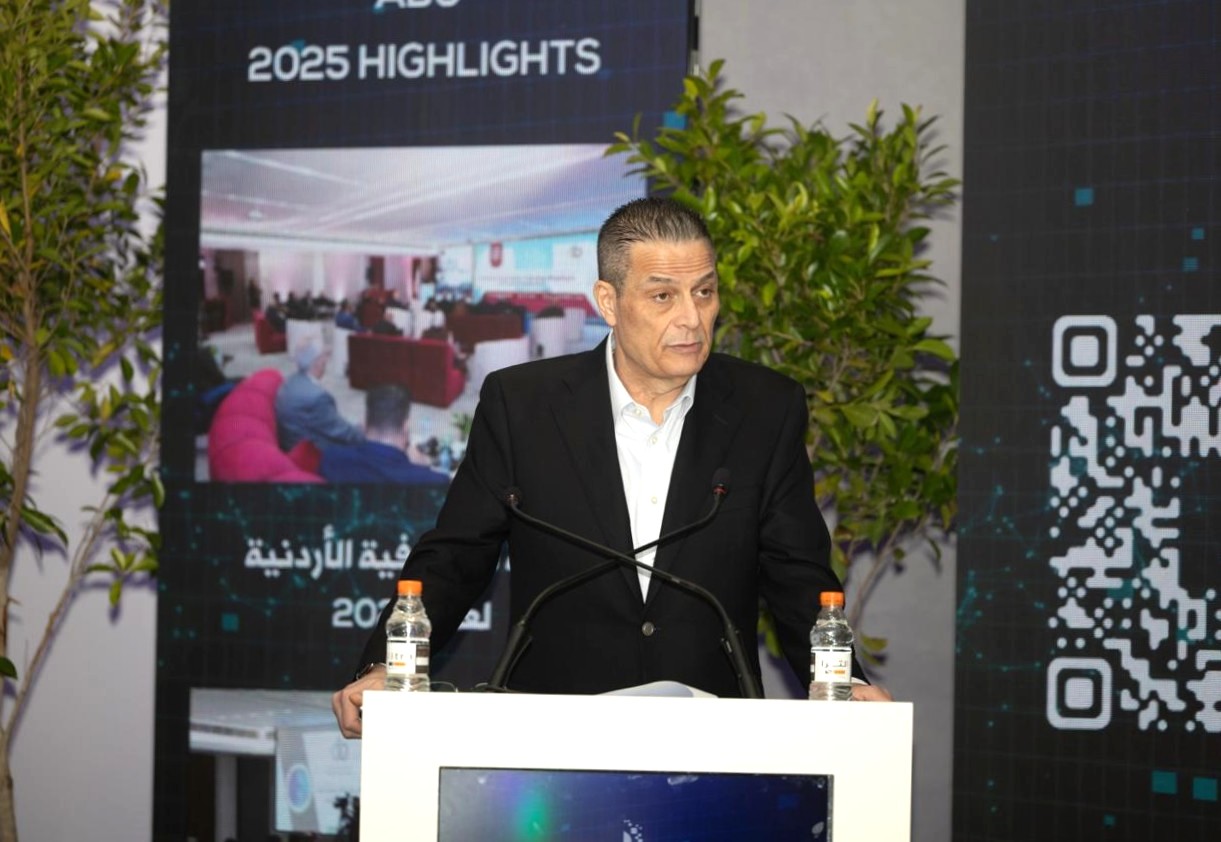
For his part, the Director General of the Association of Banks, Dr. Maher Al-Mahrouq, delivered a detailed presentation on the initiative’s executive framework and the operational mechanisms adopted since its launch. He explained that the initiative was built on clear foundations based on prior planning and coordination with the relevant government entities, in addition to the adoption of governance standards that ensure efficient allocation of resources and monitoring of implementation according to specific timelines.
Al-Mahrouq stated that the results of the first year reflect tangible progress in terms of implementation and spending, both in relation to the scale of the projects launched and their geographic distribution. He affirmed that the initiative’s financial and technical data are subject to periodic monitoring to ensure the achievement of the defined objectives, and that the next phase will build on what has been achieved, with expansion toward health-sector projects to enhance the initiative’s comprehensive development impact.