


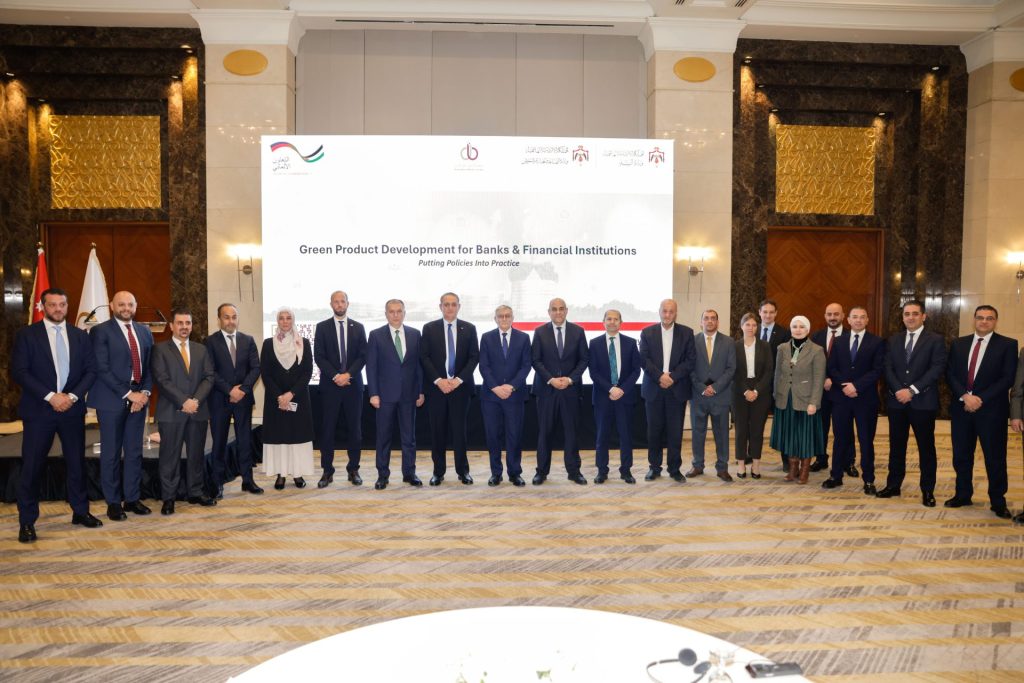
– Minister of Environment: The transition toward the green economy and the blue economy has become a necessity imposed by environmental challenges and climate change.
– Minister of Environment: Banks have become a key partner in directing investments toward green and blue activities.
– Minister of Environment: Jordan has made progress in reducing its carbon footprint, and around 30 percent of the Kingdom’s energy mix now relies on renewable energy.
– Ghanma: The launch of the Green Financial Product Development Guide represents an “advanced practical step” that reflects the banking sector’s commitment to strengthening sustainable finance.
– Ghanma: International experiences have proven a direct link between economic and financial stability and the adoption of green finance strategies and practices within the financial sector.
– Al-Mahrouq: The guide is the outcome of a collaborative effort between the Association of Banks and its partners from the German Agency for International Cooperation (GIZ), the Ministry of Environment, and the Ministry of Industry.
– Al-Mahrouq: The guide provides an integrated methodology covering the full cycle of green financial product development.
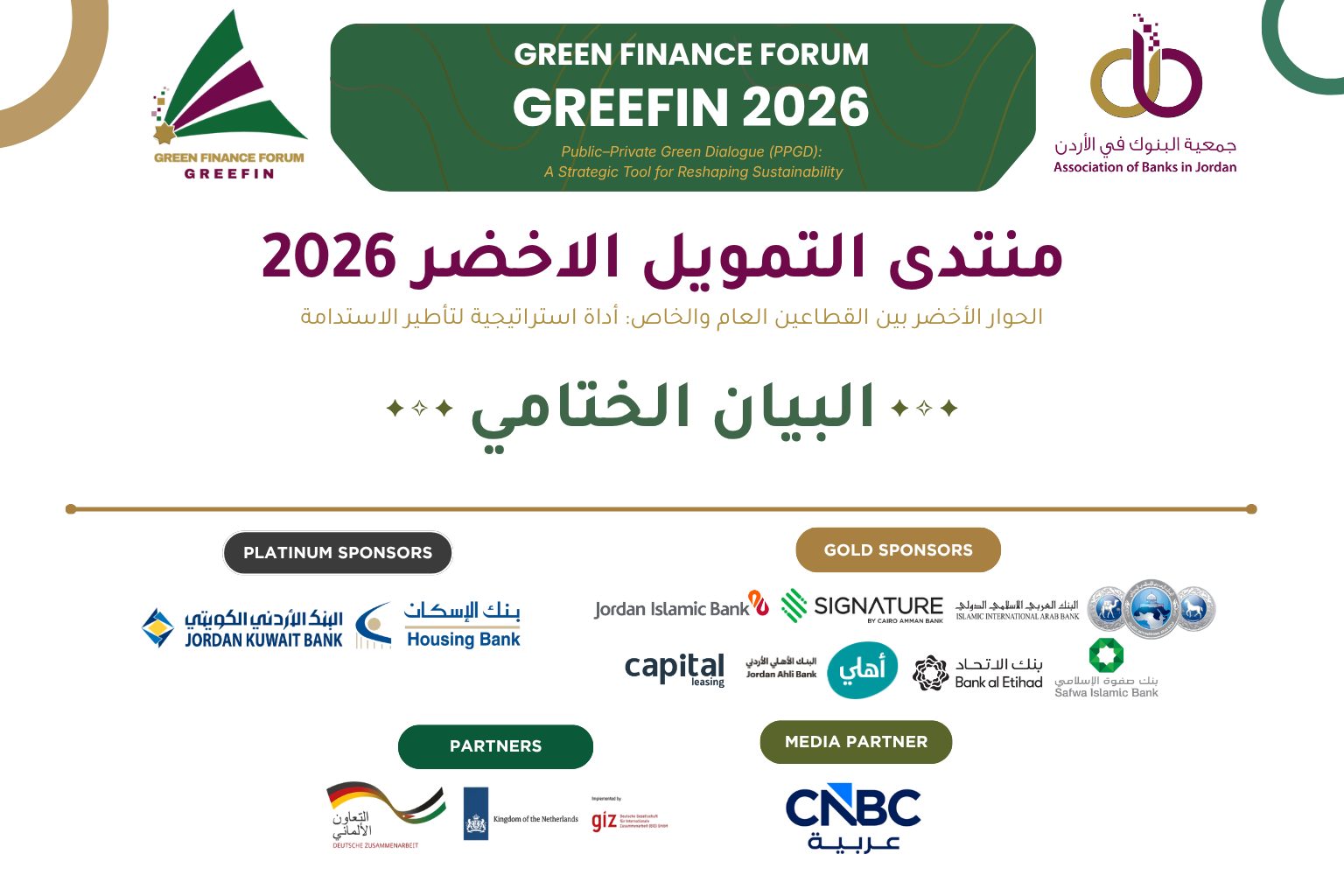
– Al-Mahrouq: The fourth edition of the Green Finance Forum “GREEFIN 2026” will be launched on the first of next September.
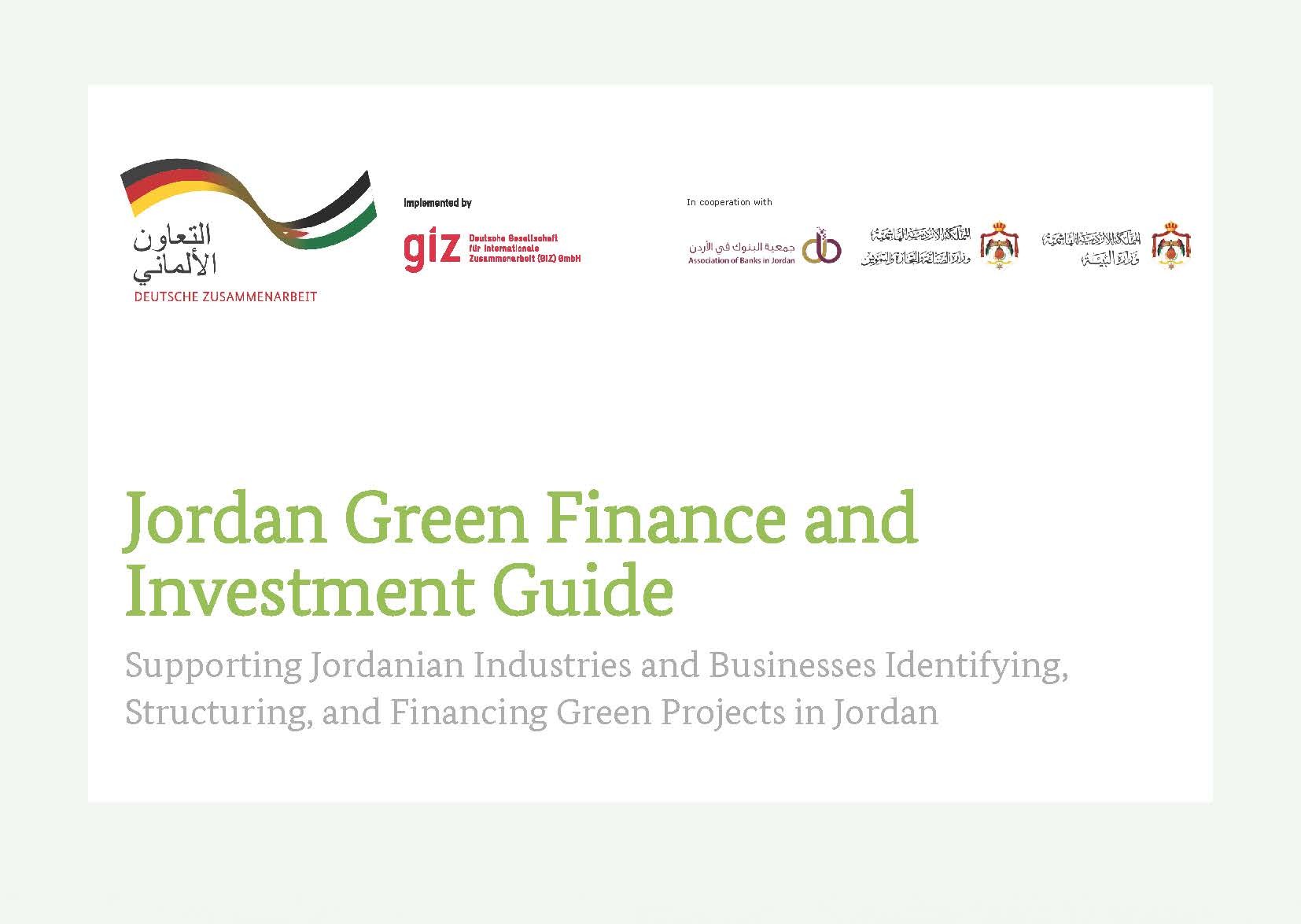
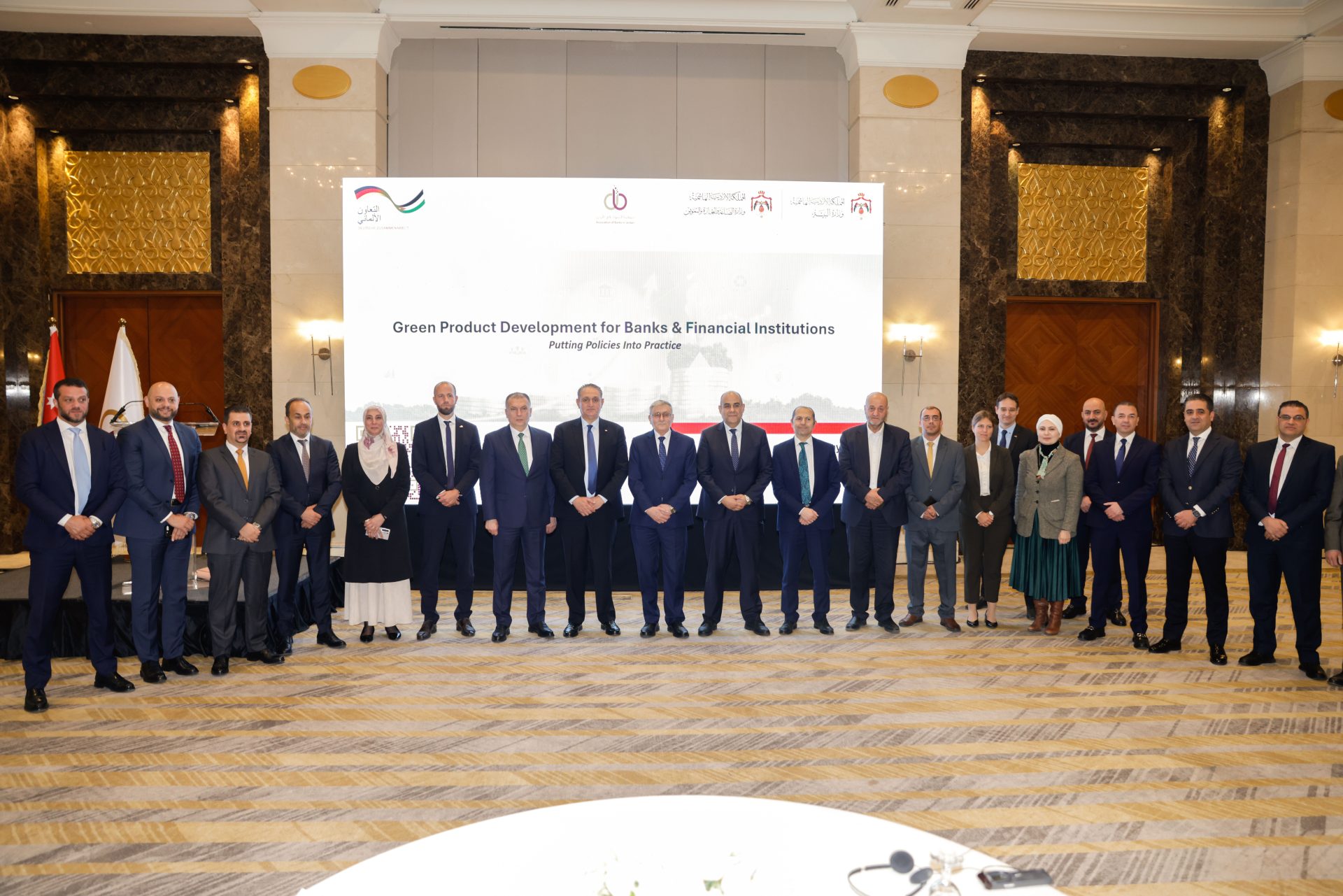
Under the patronage of the Governor of the Central Bank, Dr. Adel Sharkas, the Association of Banks in Jordan launched on Wednesday the “Green Financial Product Development Guide for Banks and Financial Institutions,” in a step aimed at strengthening the transition toward sustainable finance and developing banking tools that support the green economy and align with national sustainability priorities.
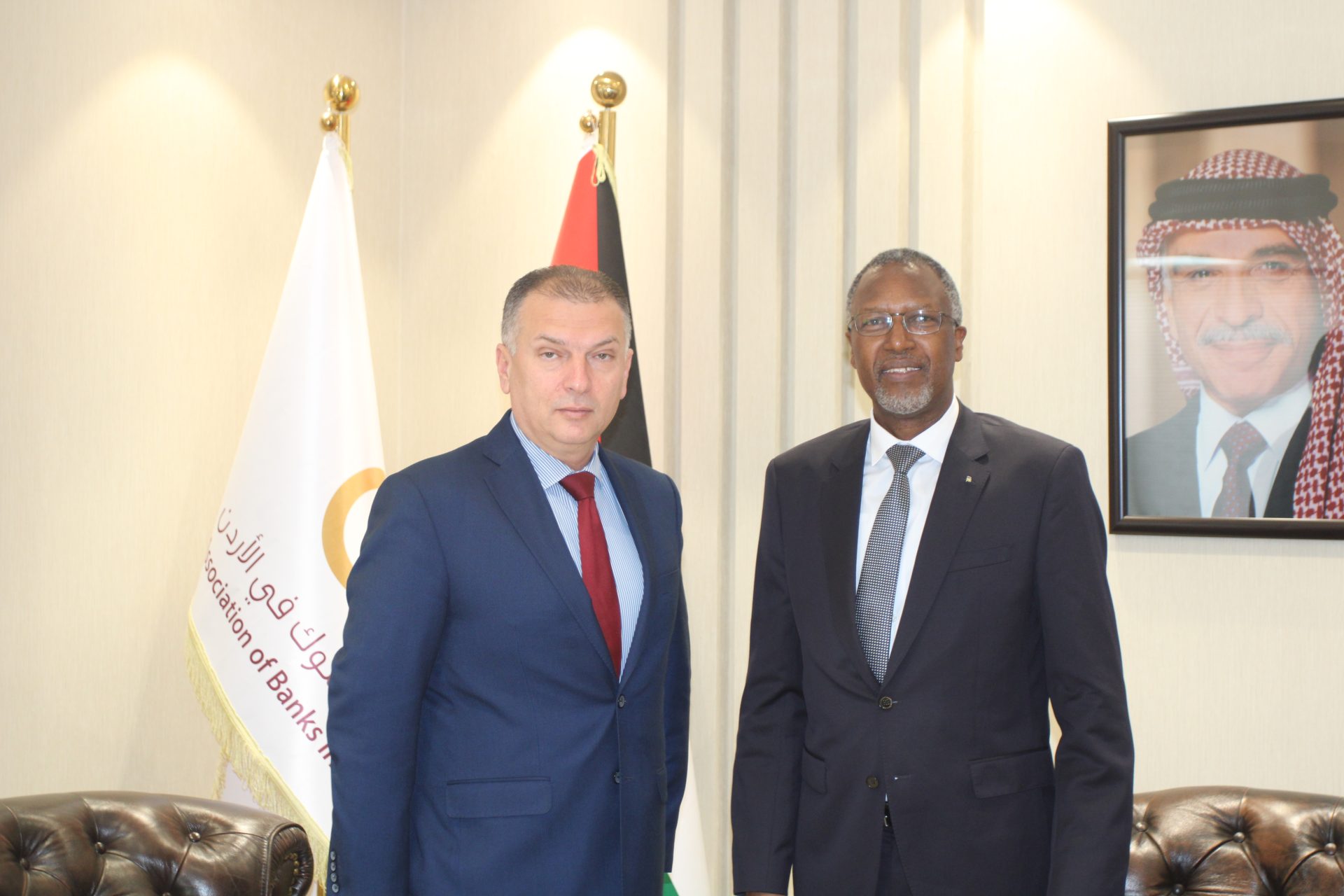
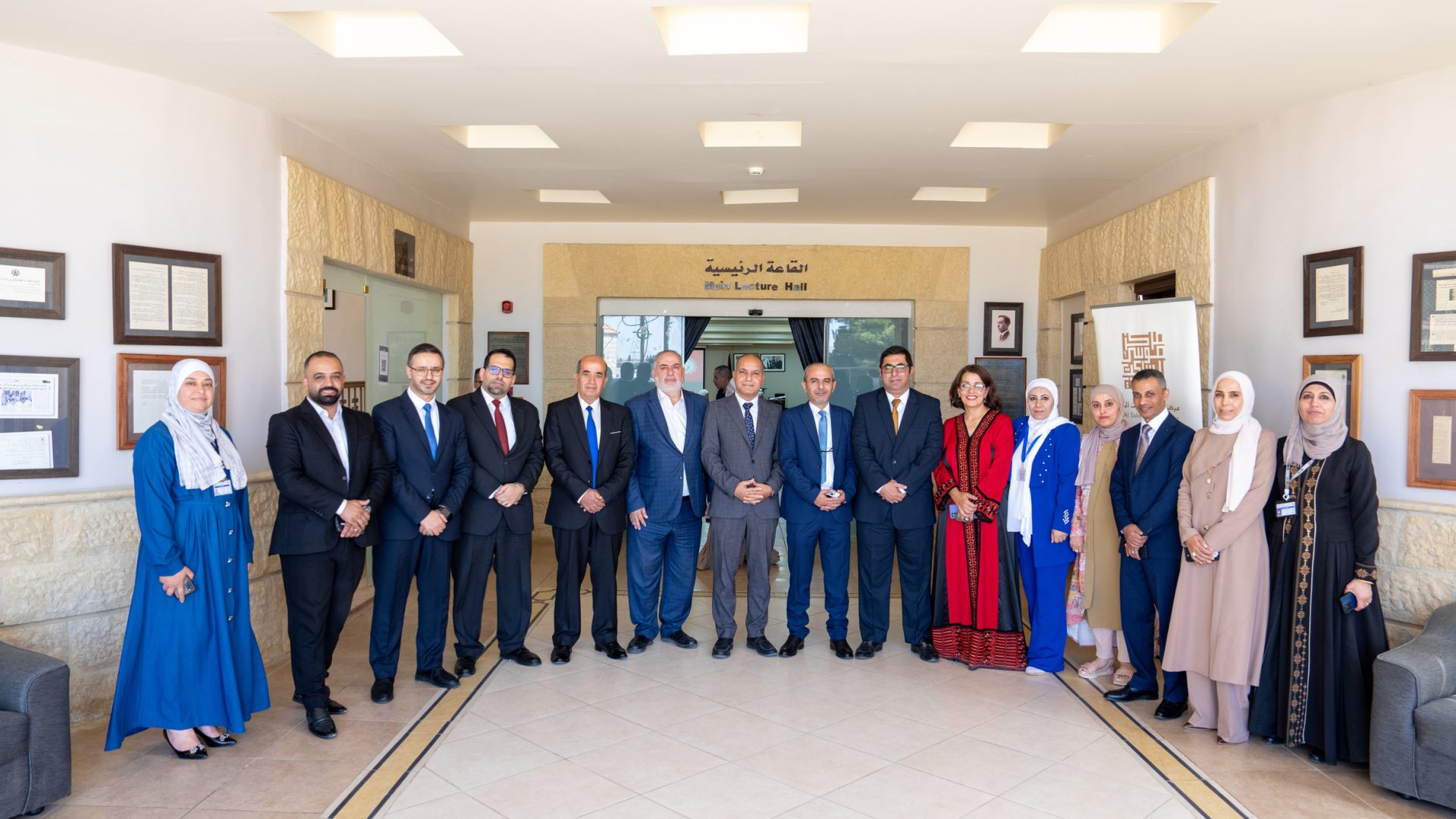
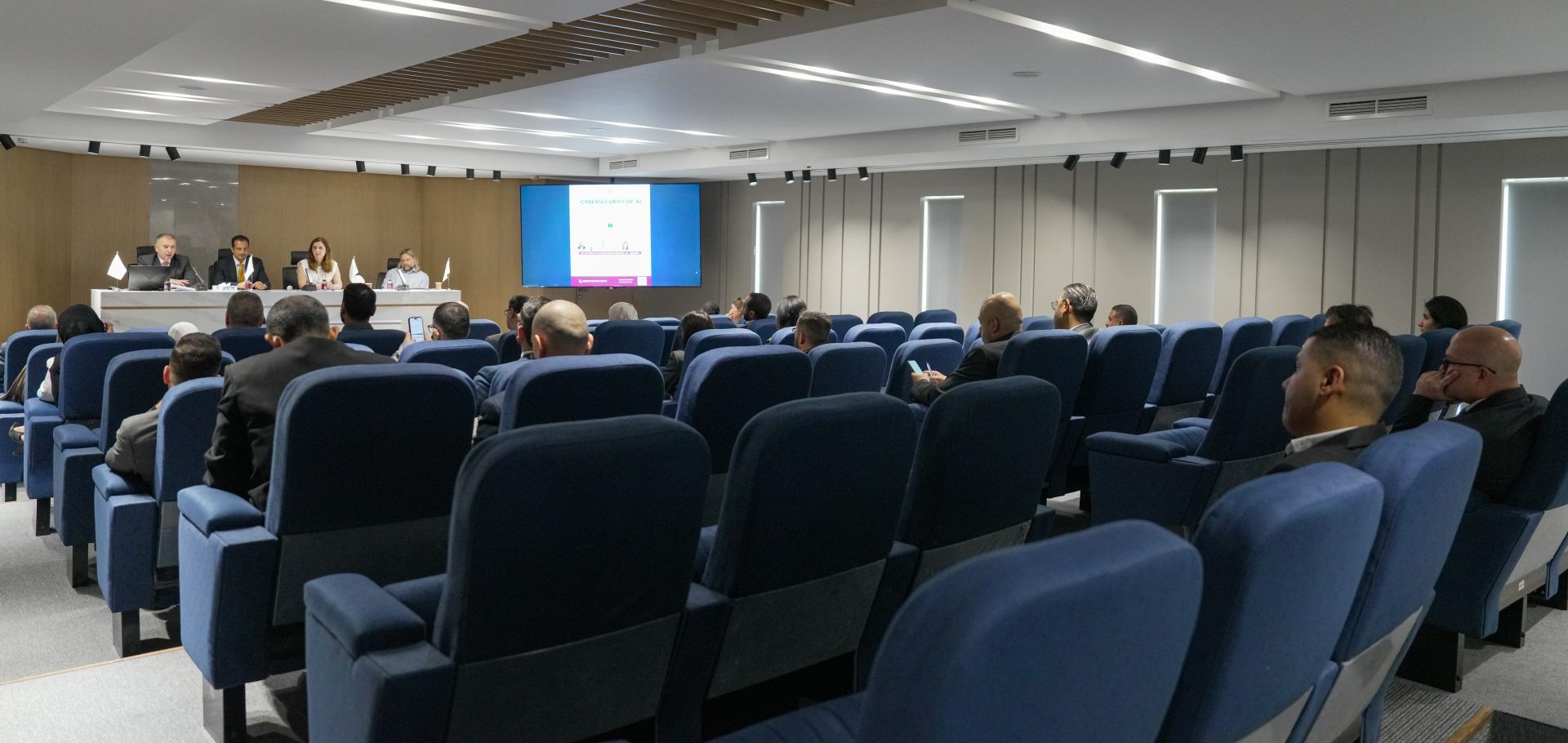
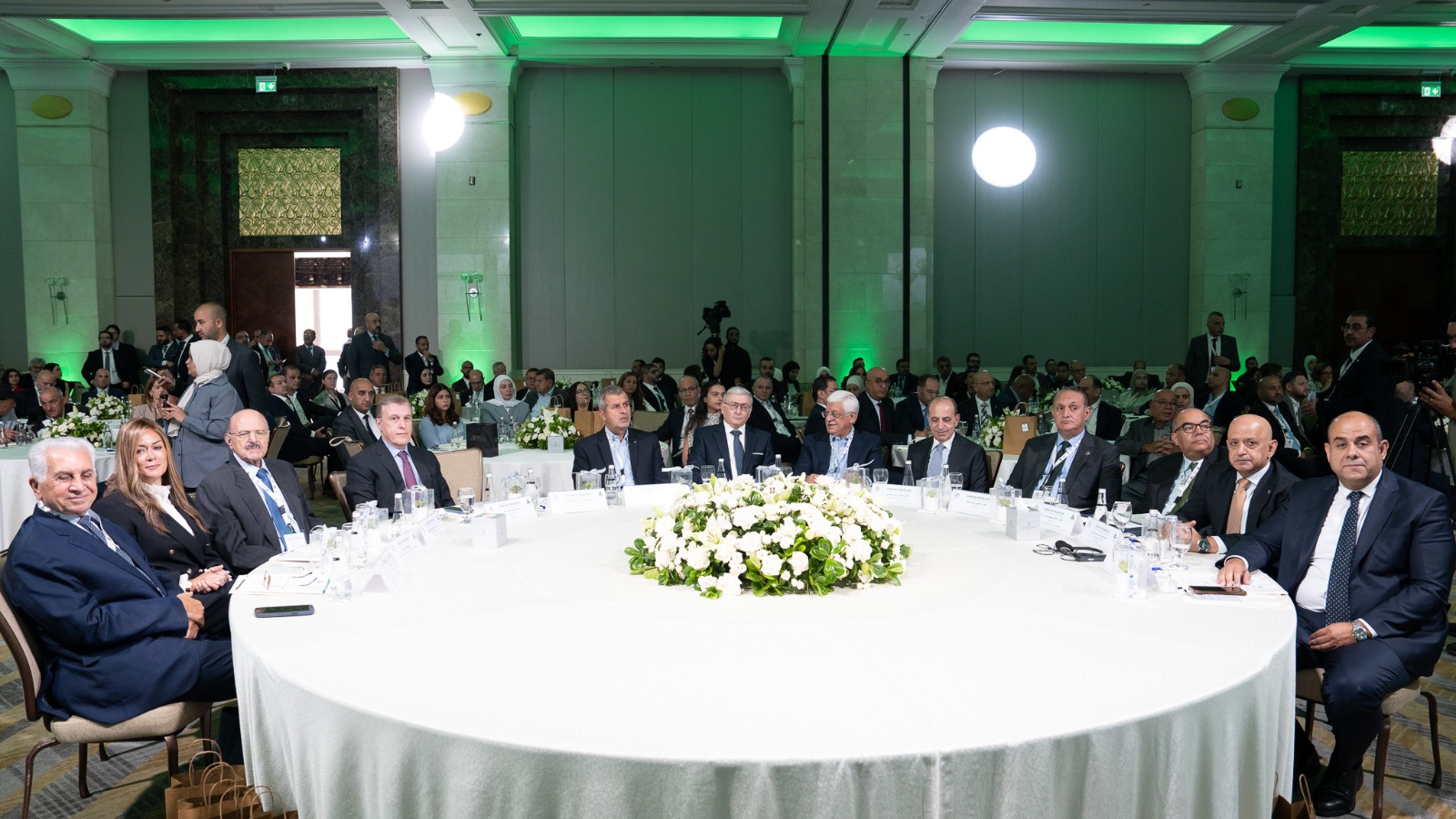
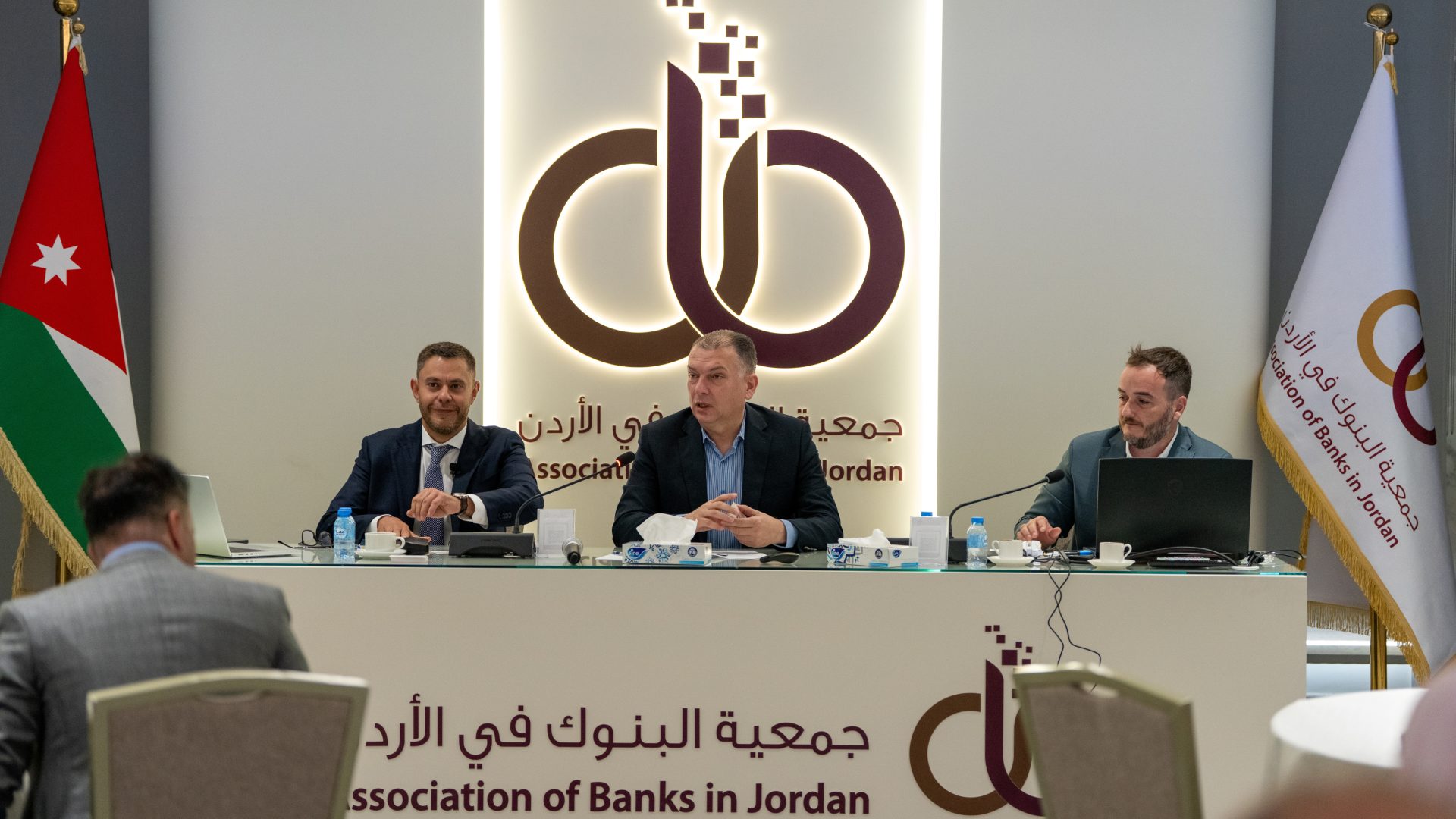
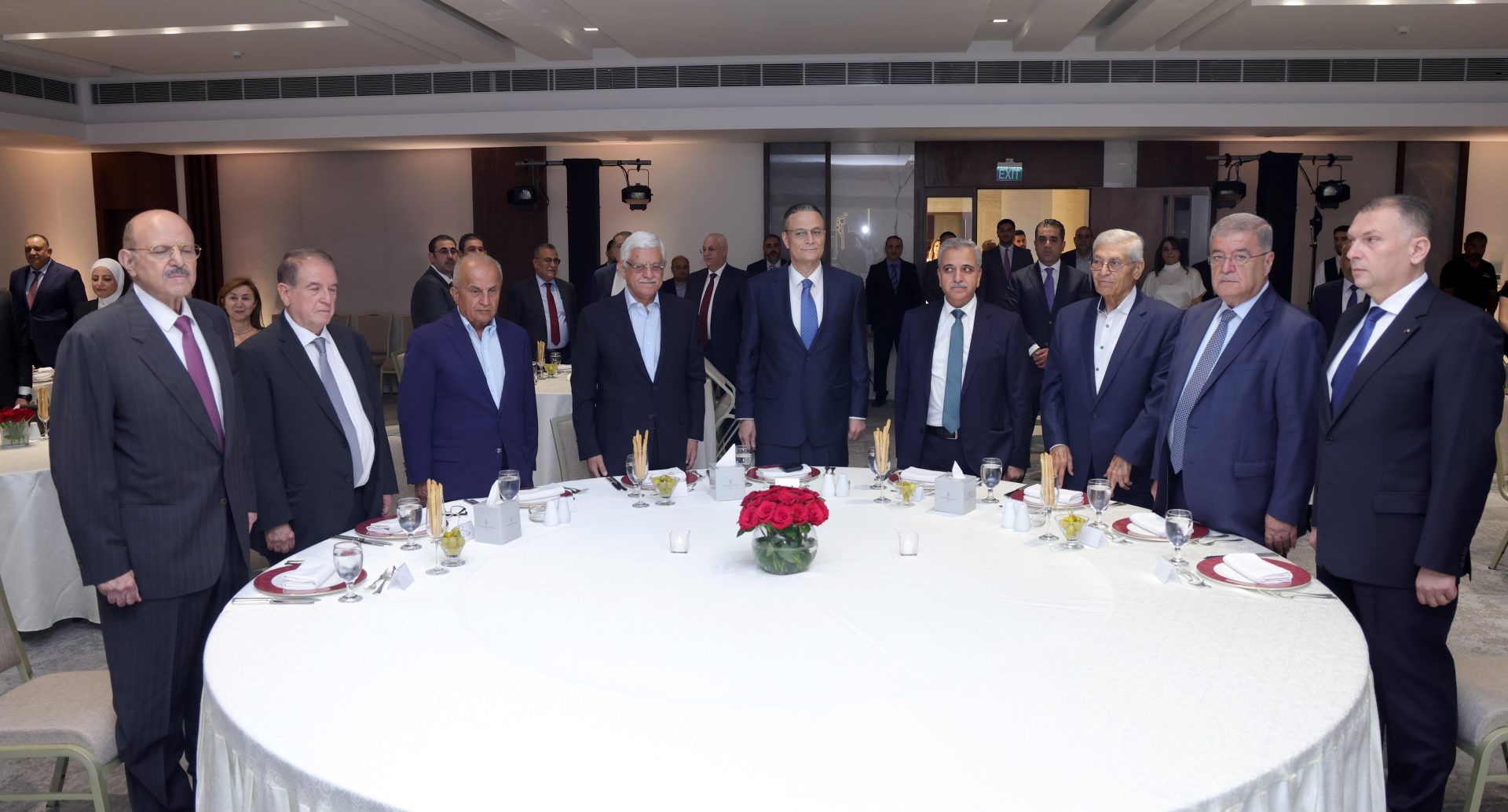
The guide was launched during an event organized by the Association, attended by Minister of Environment Dr. Ayman Suleiman, Deputy Governor of the Central Bank of Jordan Dr. Ziad Ghanma, and representatives of banks, financial institutions, international entities, and partners concerned with green finance, in partnership with the German Agency for International Cooperation (GIZ) and with the support of the German Federal Ministry for Economic Cooperation and Development (BMZ).
Minister of Environment Dr. Ayman Suleiman affirmed that the transition toward the green economy and the blue economy has become a necessity imposed by environmental challenges and climate change.
He said that the government, through the second executive program of the Economic Modernization Vision for the years 2026-2029, continued to focus on the pillar of sustainability and green growth, while introducing the concept of the blue economy among the priorities of the next phase.
He added that the tools for transitioning toward the green economy are not owned by governments alone, but require a genuine partnership with the private sector and the financial sector, noting that banks have become a key partner in directing investments toward green and blue activities.
Suleiman pointed out that Jordan has significant opportunities in sustainable finance, particularly given the stability it enjoys compared with the region, explaining that many international entities now view the Kingdom as a regional platform for implementing international cooperation programs.
He said that Jordan’s selection to host the regional office of the Green Climate Fund is an indication of international confidence in the Kingdom’s ability to manage and implement environmental and climate finance programs.
The minister reviewed a number of indicators related to the green transition in the Kingdom, explaining that Jordan has made progress in reducing its carbon footprint, and that around 30 percent of the Kingdom’s energy mix now relies on renewable energy, in addition to the accelerating shift toward electric and hybrid vehicles.
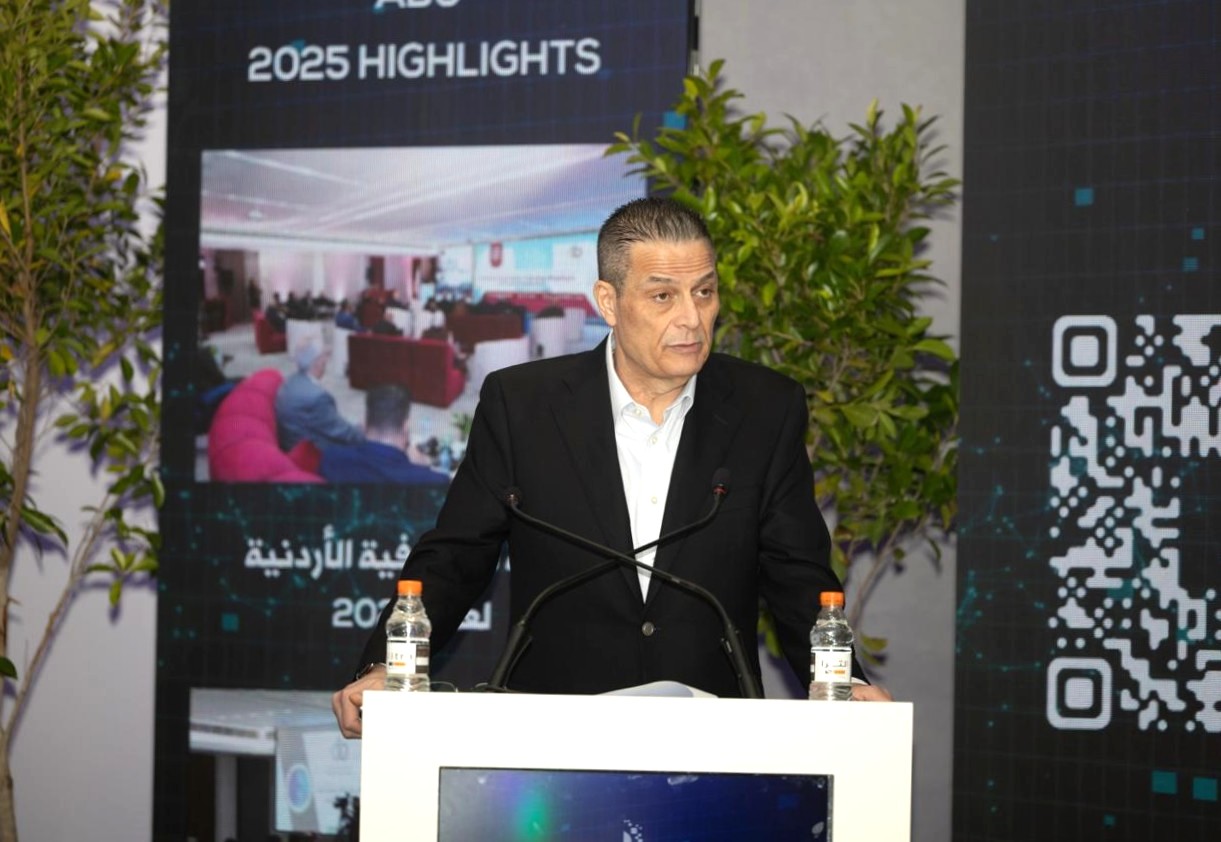
For his part, Deputy Governor of the Central Bank of Jordan Dr. Ziad Ghanma affirmed that the launch of the Green Financial Product Development Guide represents an “advanced practical step” that reflects the banking sector’s commitment to strengthening sustainable finance and translating strategic directions into implementation tools on the ground.
He said that sustainability has become a key criterion in measuring the readiness of economies and their ability to withstand shocks and maintain stability, particularly in light of accelerating economic, climate, and geopolitical challenges.
He added that international experiences have proven a direct link between economic and financial stability and the adoption of green finance strategies and practices within the financial sector, noting that the transition toward sustainable finance has become a strategic approach that reshapes financing priorities and directs resources toward more efficient and sustainable opportunities.
Ghanma explained that the Economic Modernization Vision emphasized the importance of having a proactive financial sector whose role is not limited to financing economic activities, but extends to directing capital toward high value-added sectors and new growth drivers, while placing sustainability at the heart of the national economic model as a lever for enhancing productivity, stimulating innovation, and creating jobs.
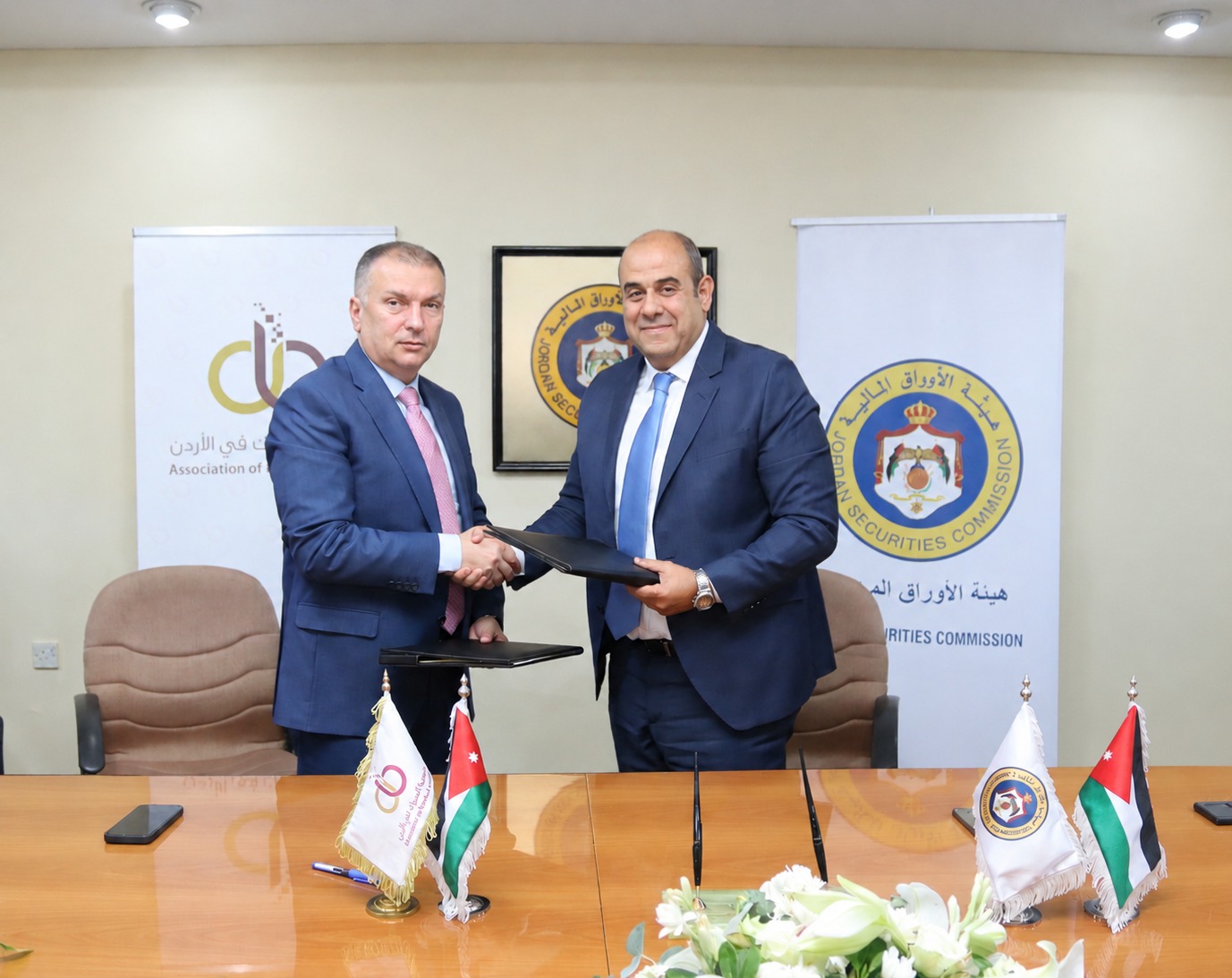
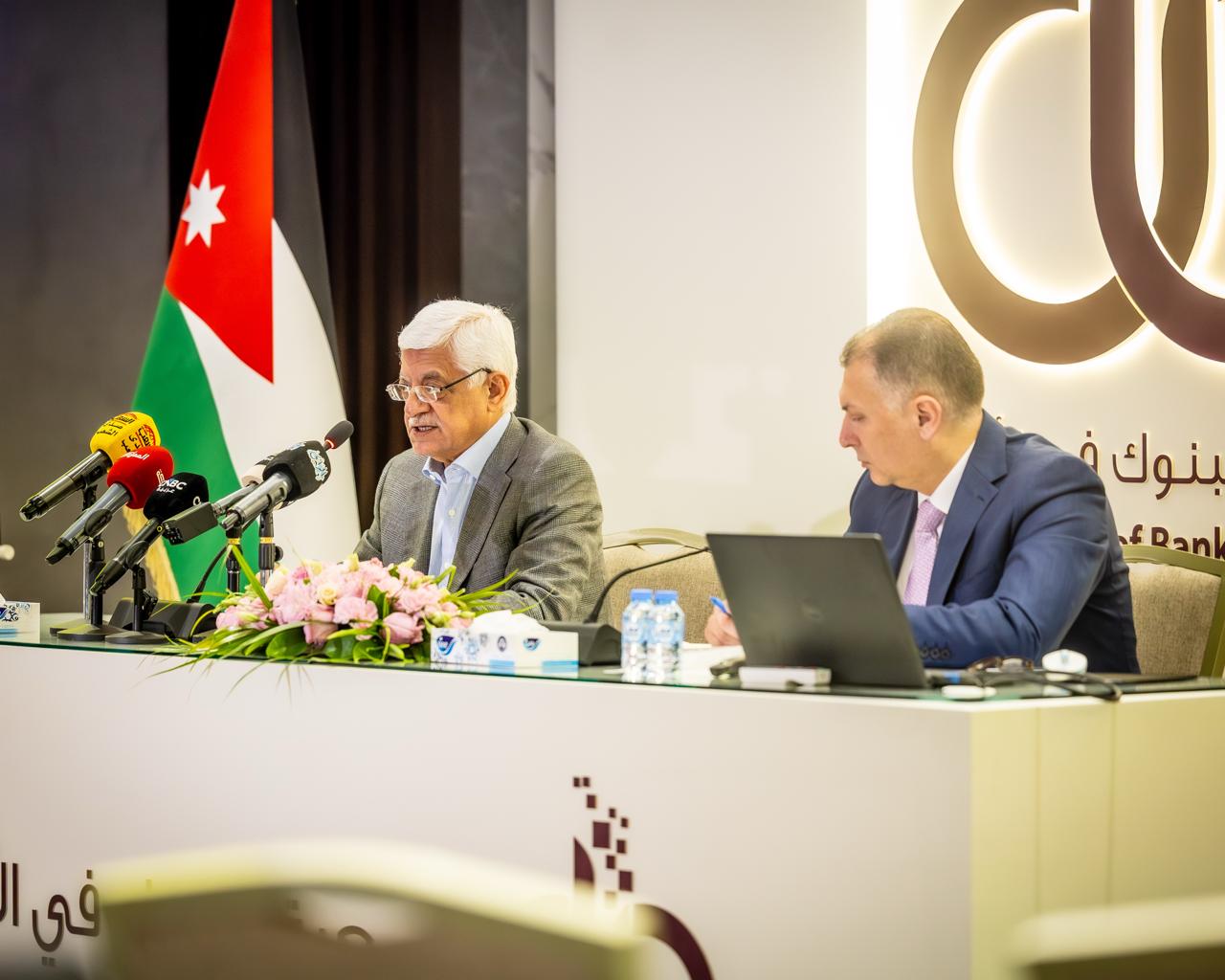
At the beginning of the meeting, Director General of the Association of Banks in Jordan Dr. Maher Al-Mahrouq said that the guide is the outcome of a collaborative effort between the Association and its partners from the German Agency for International Cooperation (GIZ), the Ministry of Environment, and the Ministry of Industry, Trade and Supply, within a national framework aimed at strengthening the transition toward sustainable finance in the Kingdom.
He added that the importance of the guide stems from it being “a practical implementation tool developed specifically to meet the needs of banks and financial institutions and help them move from the level of vision and strategy to the level of execution and application.”
Al-Mahrouq explained that recent years have witnessed a notable development in the national frameworks supporting green finance, whether through the Central Bank’s Green Finance Strategy for 2023-2028, the National Green Taxonomy, or initiatives related to disclosure and the integration of climate risks, noting that the real challenge is no longer in formulating frameworks, but in transforming them into applicable financial products within banks.
He explained that the guide provides an integrated methodology covering the full cycle of developing a green financial product, starting with understanding green finance and its classification criteria, moving through the analysis of market and customer needs, and culminating in the design, feasibility assessment, launch, and monitoring of the financial product.
He pointed out that the guide includes a number of key aspects, most notably providing a clear methodological framework for developing green financial products within financial institutions, clarifying how to identify activities according to national and international standards in a way that reduces the risks of “greenwashing,” in addition to presenting practical tools for analyzing credit portfolios, identifying opportunities, and applying assessment and selection mechanisms.
Al-Mahrouq affirmed that the guide also focuses on integrating the economic and commercial dimensions into the design of financial products, in a way that achieves a balance between sustainability and profitability. In addition to strengthening integration among the different departments within banks, including credit, risk, marketing, and others.
He said that one of the most important messages emphasized by the guide is that green finance is “not a separate product, but rather a smart development of existing products through integrating sustainability criteria into them and directing them toward activities with positive economic and environmental impact.”
He added that the success of any green financial product depends on three main elements: understanding customer needs, achieving financial feasibility for the institution, and ensuring operational readiness within the bank, explaining that this balance enables the development of green financial products that are scalable and sustainable.
Al-Mahrouq noted that the idea of preparing the guide emerged from the outcomes of the Green Finance Forum “GREEFIN 2025,” held last September, where the need for practical tools to support banks in designing green financial products was one of the most prominent recommendations of the forum.
In this context, Al-Mahrouq announced the launch of the fourth edition of the Green Finance Forum “GREEFIN 2026” on the first of next September, under the patronage of the Governor of the Central Bank of Jordan, Dr. Adel Sharkas, under the title “Public-Private Green Dialogue: A Strategic Tool for Reshaping Sustainability.”
In this regard, GIZ representative Baidar Al-Shalabi affirmed that the banking sector is one of the key drivers of economic growth and the transition toward a green economy, through its role in directing capital and financing investments with sustainable impact.
Al-Shalabi said that green finance is no longer limited to theoretical concepts; rather, it has become directly linked to the financial sector’s ability to provide and direct the financing needed to achieve sustainable economic development goals, particularly in light of the directions set out in Jordan’s Economic Modernization Vision and Green Finance Strategy.
He explained that the banking sector, together with financing companies and under the leadership of the Central Bank, plays a pivotal role in enhancing access to finance and enabling projects to launch, expand, and invest. He noted that financing and investment decisions are no longer based solely on the factors of “risk and return,” but now also require consideration of environmental and social impact, as well as governance considerations.
Al-Shalabi indicated that the “Green Financial Product Development Guide” was developed to strengthen green finance practices within banks and financial institutions, explaining that the banking sector has made significant progress in this area. The guide now contributes to advancing this direction by translating the national green taxonomy, issued at the beginning of the year, into practical practices for designing financial products and extending credit.
He stated that the guide represents a “toolbox” comprising a set of practical tools that help product development teams design green financial solutions in a more systematic and effective manner.
Al-Shalabi emphasized that the objective is not limited to developing traditional financial products in a new format, but rather to embedding the sustainability dimension within financing operations, thereby supporting green activities and stimulating investments with positive environmental and economic impact.