


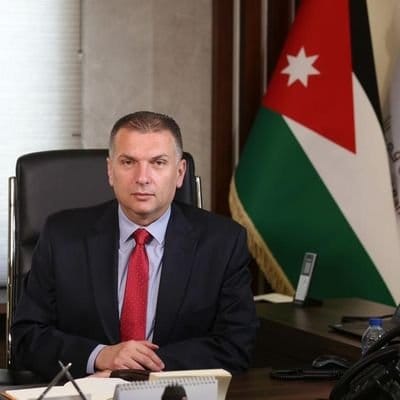
-Fattouh: The establishment of the Board as an advisory framework under the umbrella of the Union of Arab Banks is an institutional step in the journey of joint Arab banking cooperation.
-Al-Mahrouq: Jordan’s presidency of the first session represents an opportunity to strengthen cooperation and integration among Arab banking associations and unions.
Beirut, Lebanon
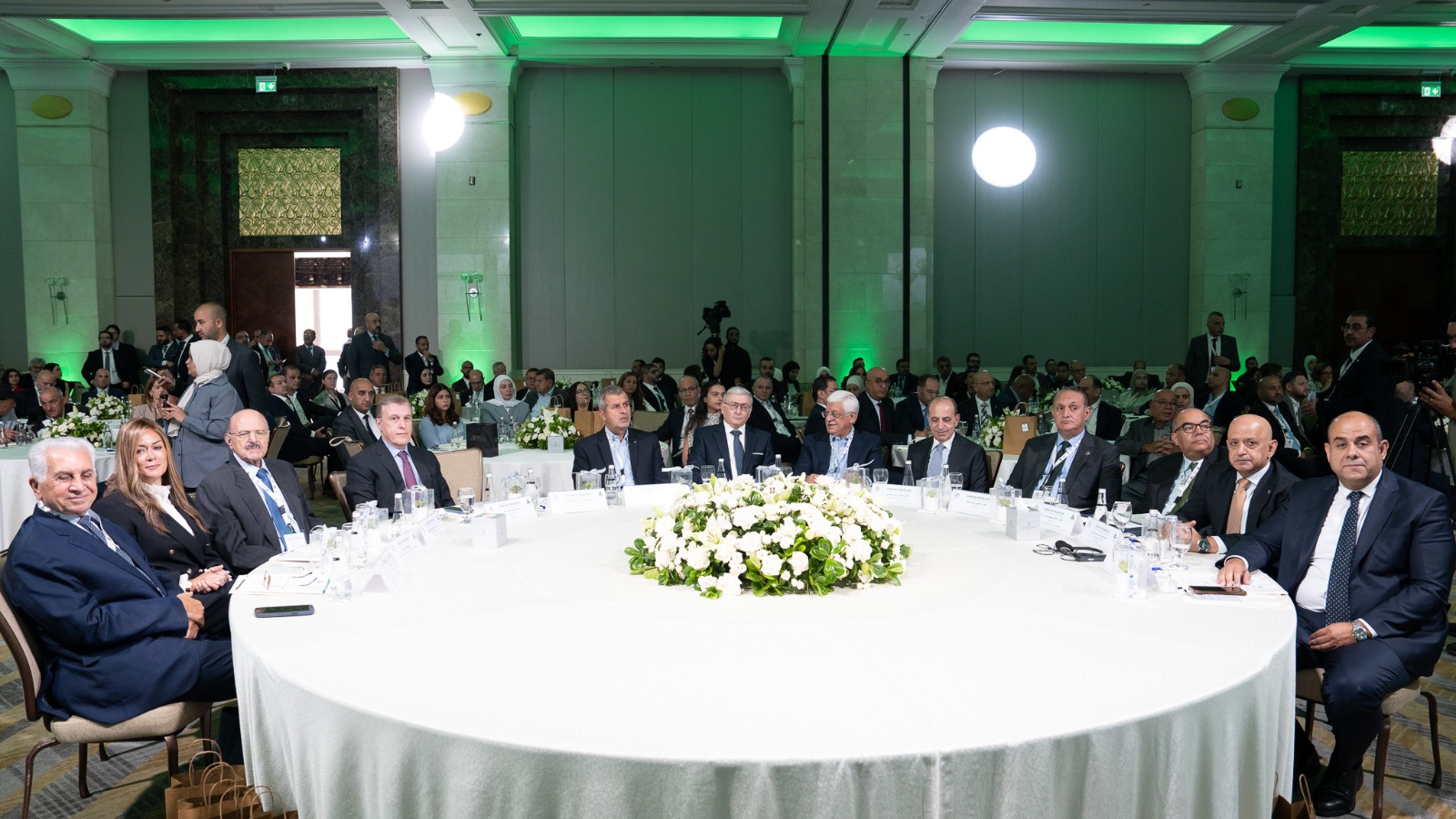
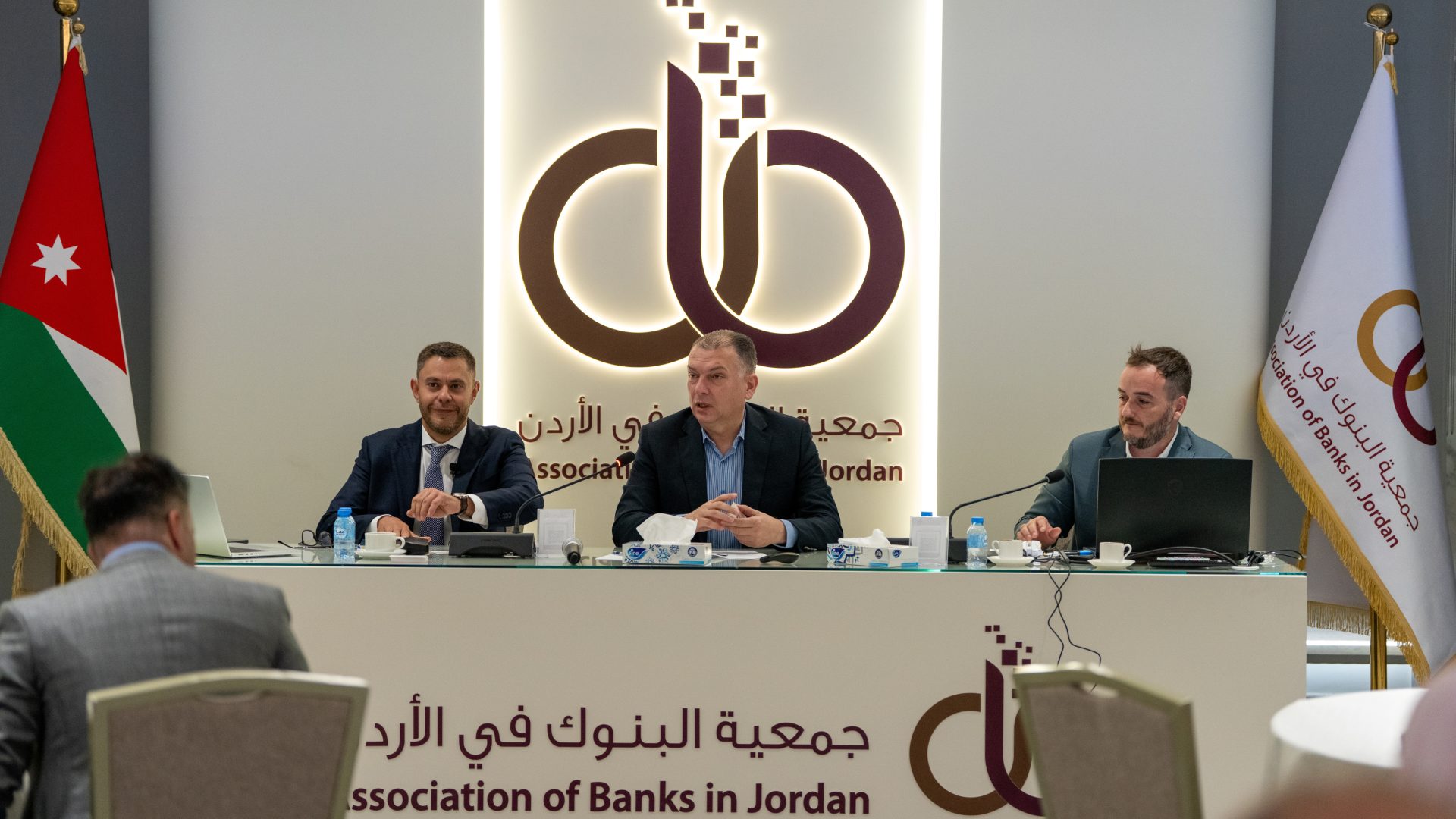
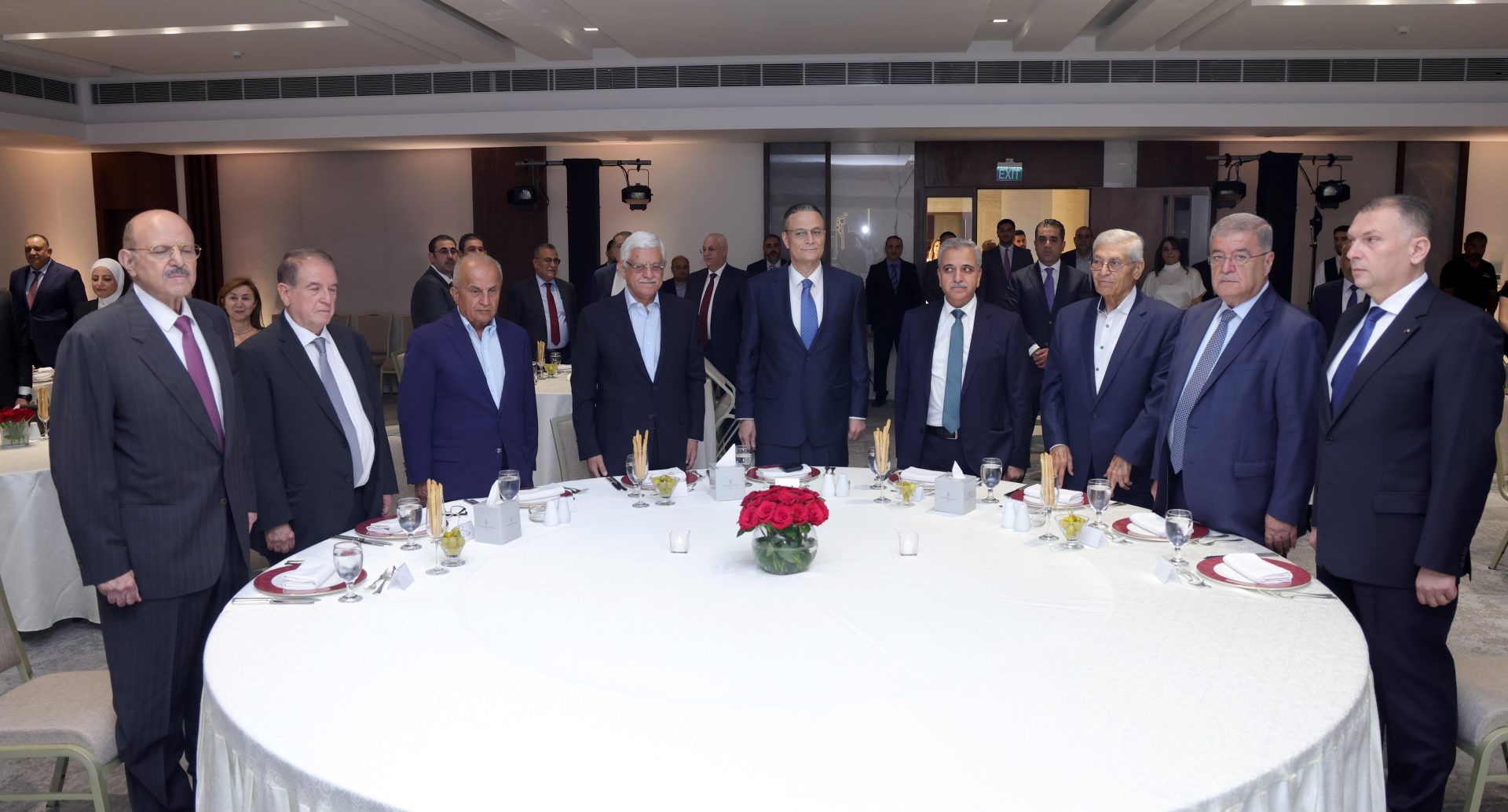
Jordan, represented by the Association of Banks in Jordan, has won the presidency of the Advisory Board of Arab Banking Associations during the meeting held last Thursday in Beirut, Lebanon, with wide participation from representatives of Arab banks. Bahrain, represented by the Bahrain Association of Banks, was elected Vice President for the Board’s first session.
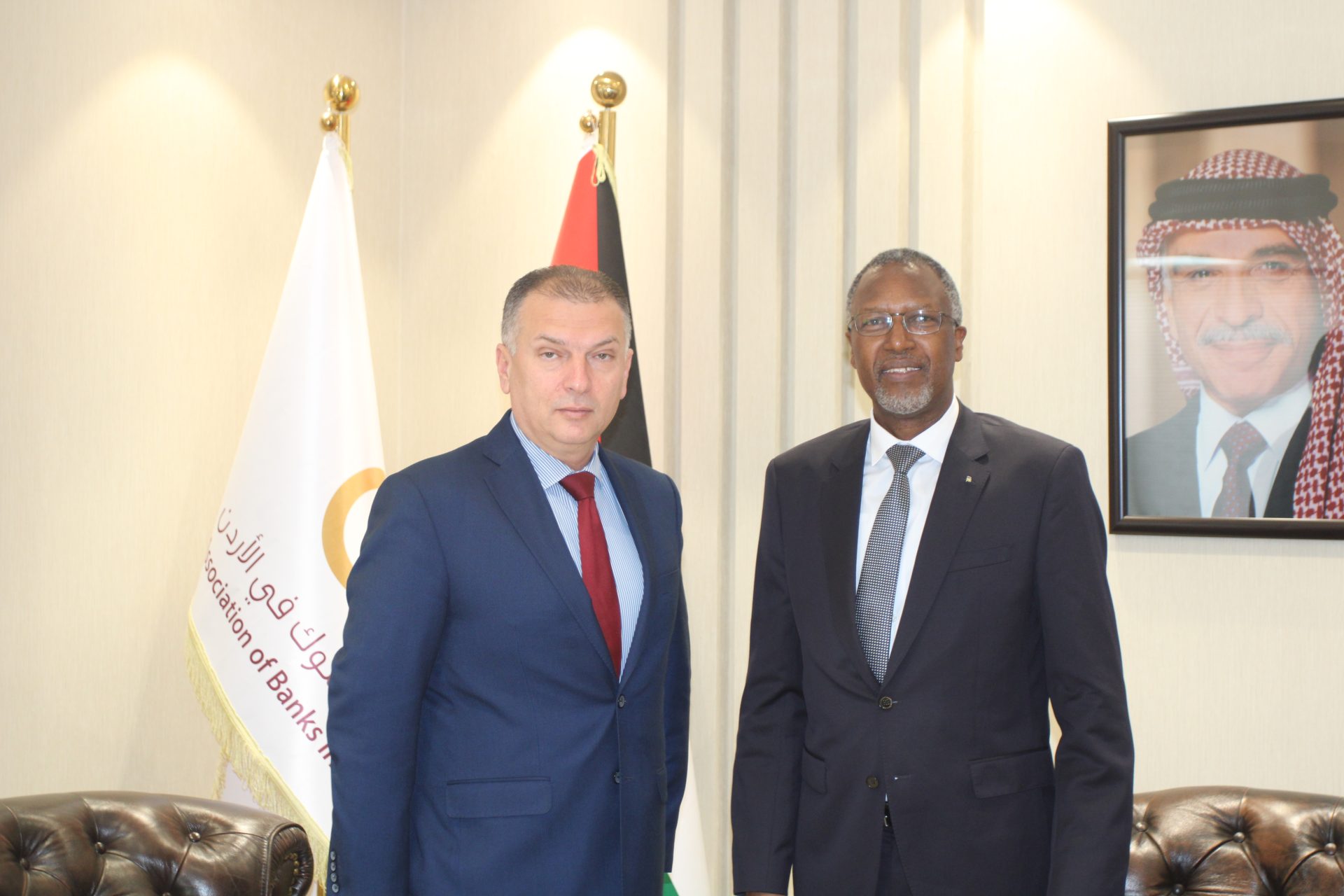
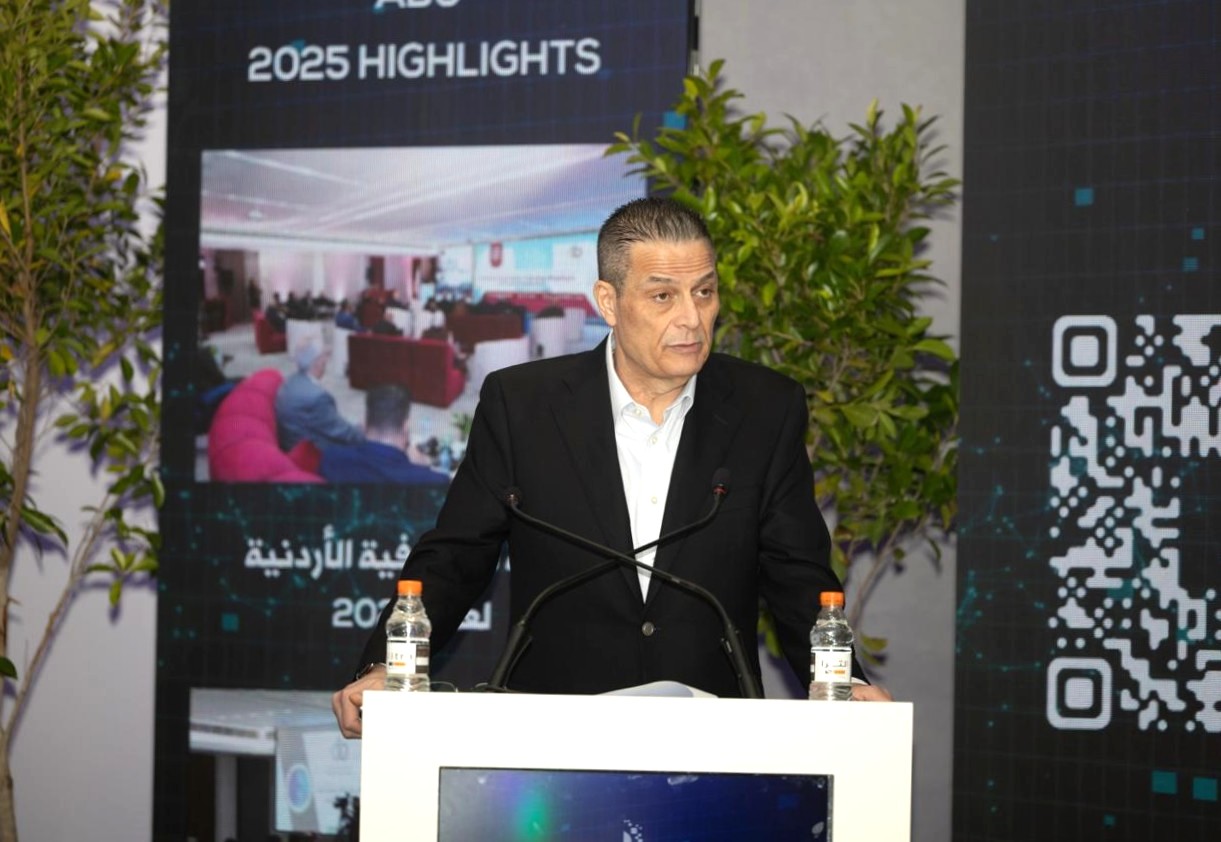
For his part, the Secretary General of the Union of Arab Banks, Dr. Wissam Fattouh, affirmed that the formation of the Advisory Board of Arab Banking Associations represents a highly significant institutional step in the path of joint Arab banking cooperation. He congratulated Jordan on its presidency of the Board, noting that Jordan’s election reflects the pioneering role of the Association of Banks in Jordan at both the local and regional levels. He emphasized that the Board, as an advisory framework under the umbrella of the Union of Arab Banks, aims to strengthen consultation, exchange expertise among national associations, and unify positions in a way that contributes to forming common views and stances toward regional and international banking issues.
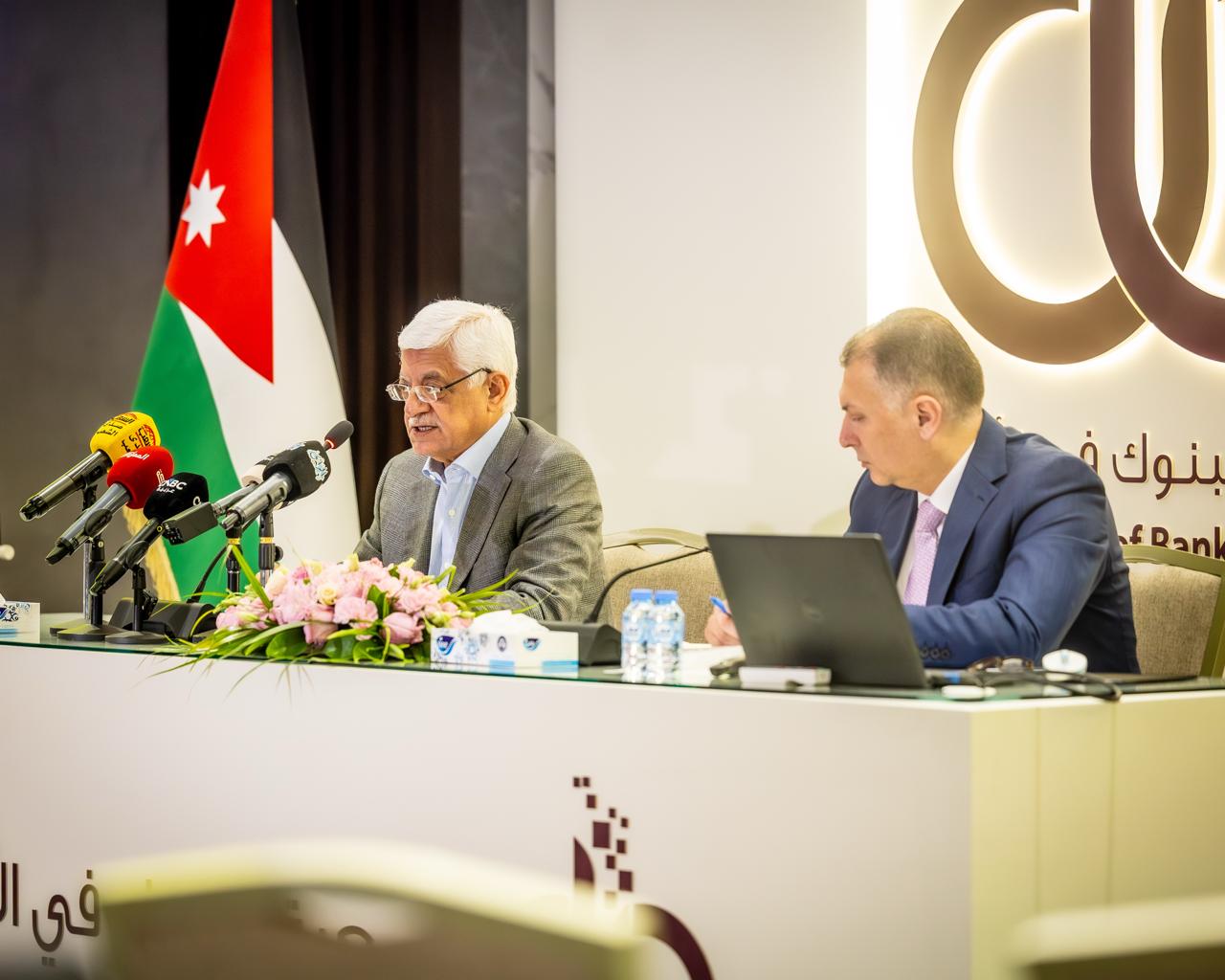
Meanwhile, the Director General of the Association of Banks in Jordan, Dr. Maher Al-Mahrouq, stated that Jordan’s election to this position is an important indicator of the distinguished reputation and status of the Jordanian banking sector, as well as the active role played by the Association of Banks in Jordan regionally and internationally, supported by its extensive expertise and long history in banking, with the Association established in 1978.
Al-Mahrouq added that the Board will be entrusted with key responsibilities in enhancing coordination and consultation among Arab banking associations and unions, thereby raising the level of Arab cooperation in confronting global banking and financial challenges. It will also contribute to amplifying the voice of Arab banks in international forums through the Union of Arab Banks.
He explained that the Board will serve as an institutional platform for knowledge and experience exchange among member associations, contributing to improving institutional performance, developing joint policies and training programs, and enabling Arab associations to benefit from each other’s successful experiences in areas such as banking digitalization, green and sustainable finance, strengthening compliance, and financial inclusion. These, in turn, will support and advance the efforts of Arab banks in these critical fields.
Al-Mahrouq further stressed that the Board operates fully under the umbrella of the Union of Arab Banks, ensuring that its role aligns with the Union’s objectives. The Board will submit its recommendations and outputs to the Union’s General Secretariat for adoption and follow-up, thereby serving as a bridge between the Union and national associations.
He noted that the formation of this Board reflects a growing Arab awareness of the importance of enhancing joint banking cooperation in light of rapid global changes. The presence of such an institutional framework for consultation and experience exchange will strengthen Arab banks’ ability to adapt to international challenges and enhance their competitiveness.
Al-Mahrouq concluded by affirming that Jordan’s presidency of the first session of this Board represents an opportunity to reinforce cooperation and integration among Arab banking associations and unions, opening new horizons to support economic development in the region.