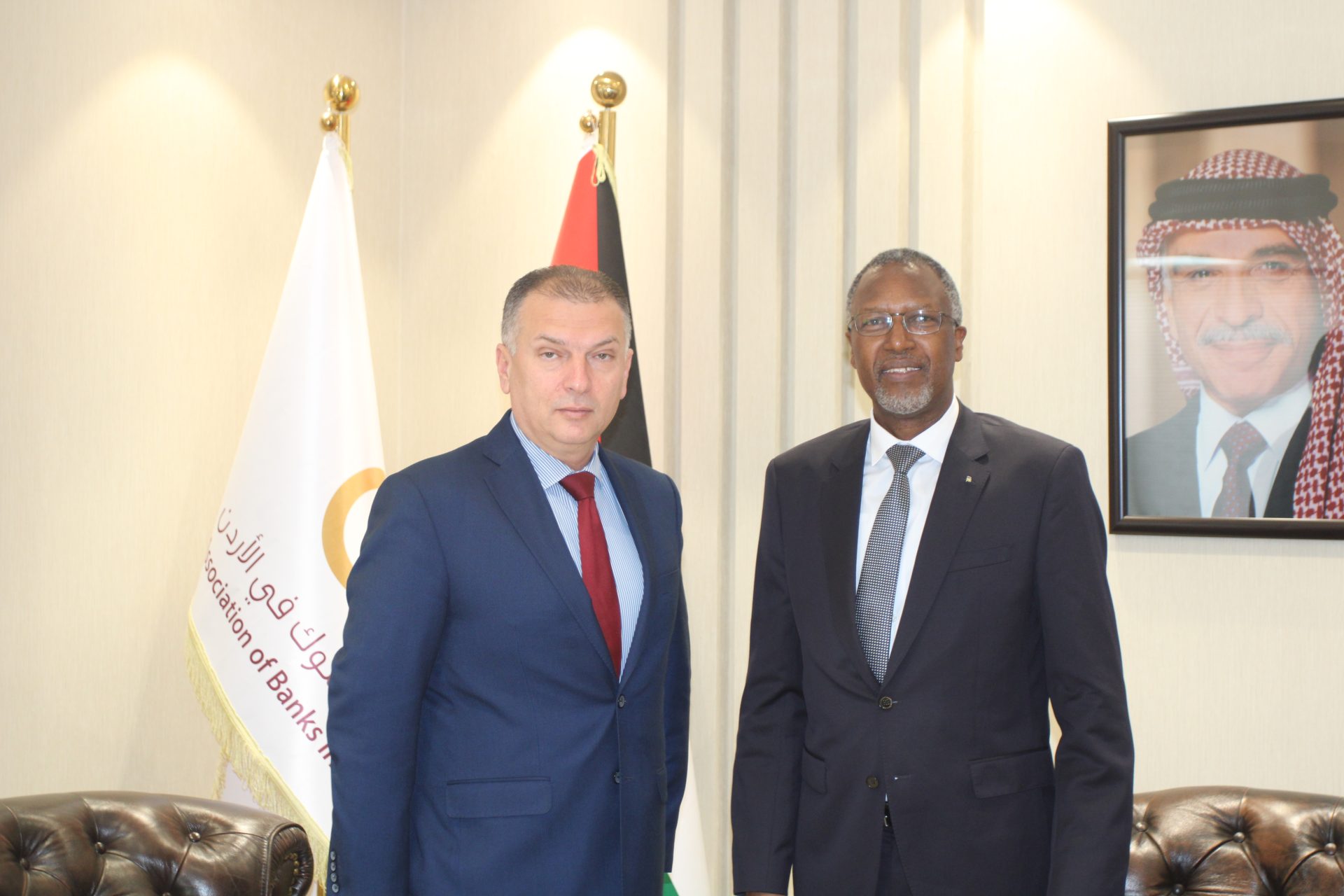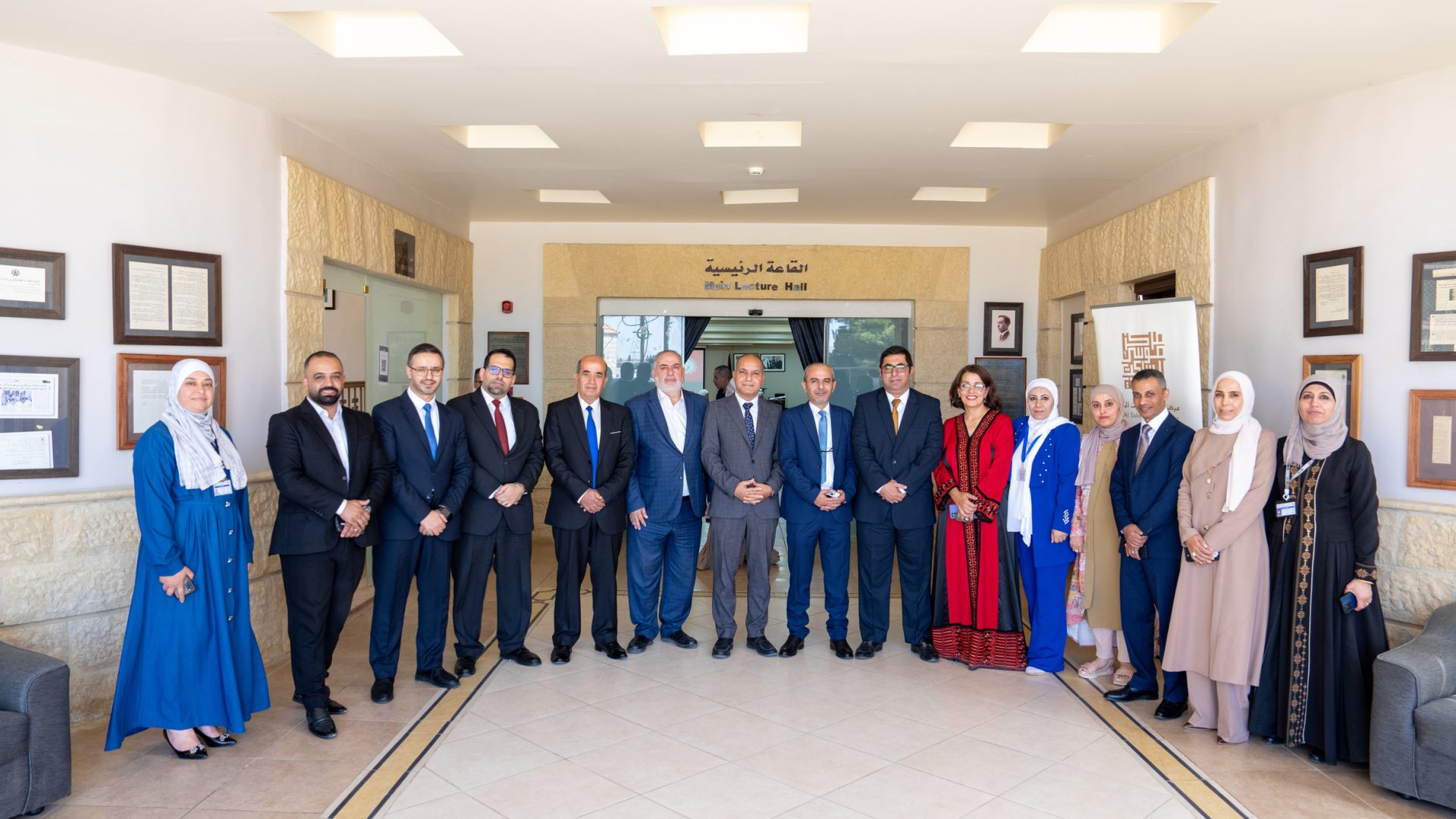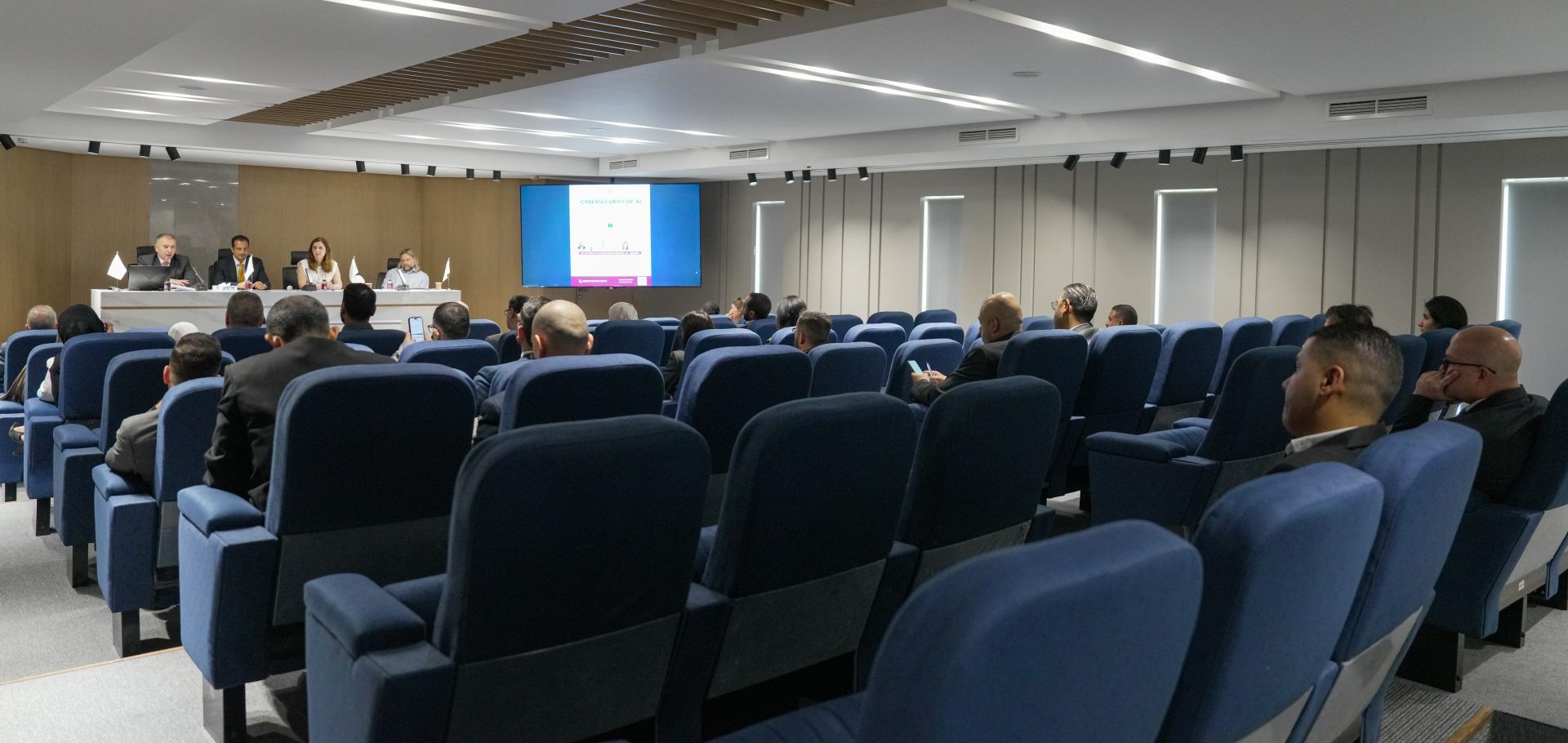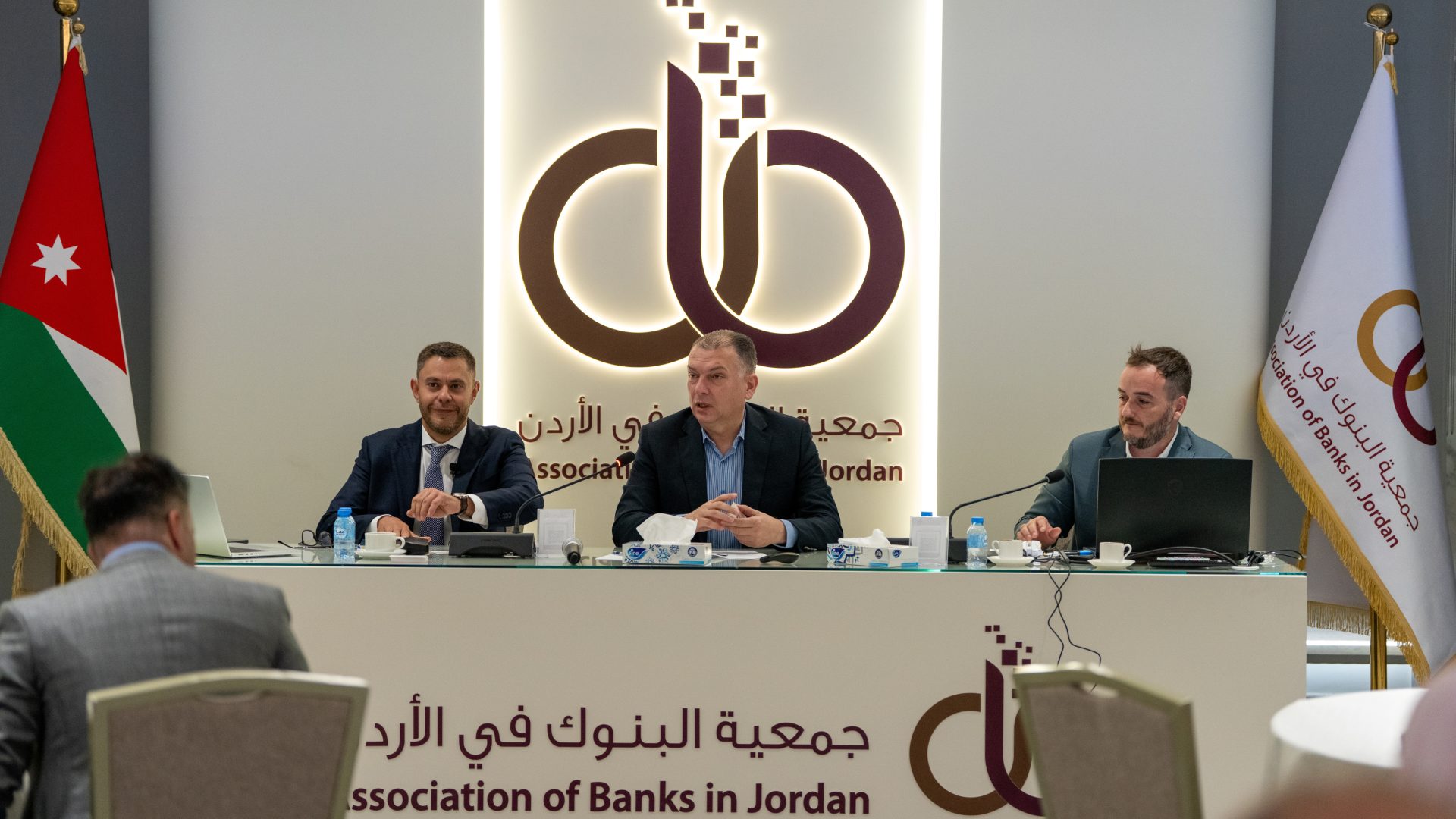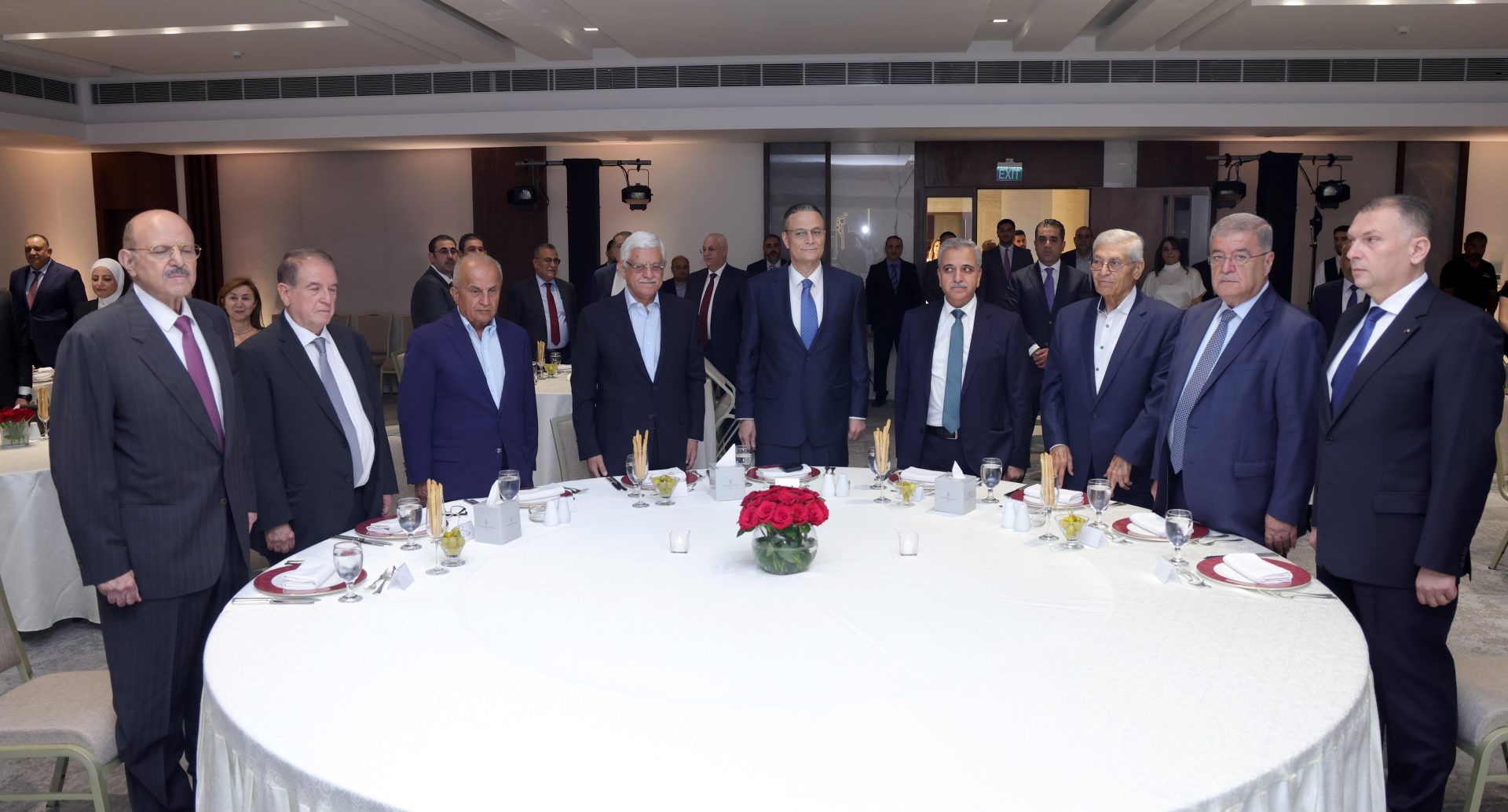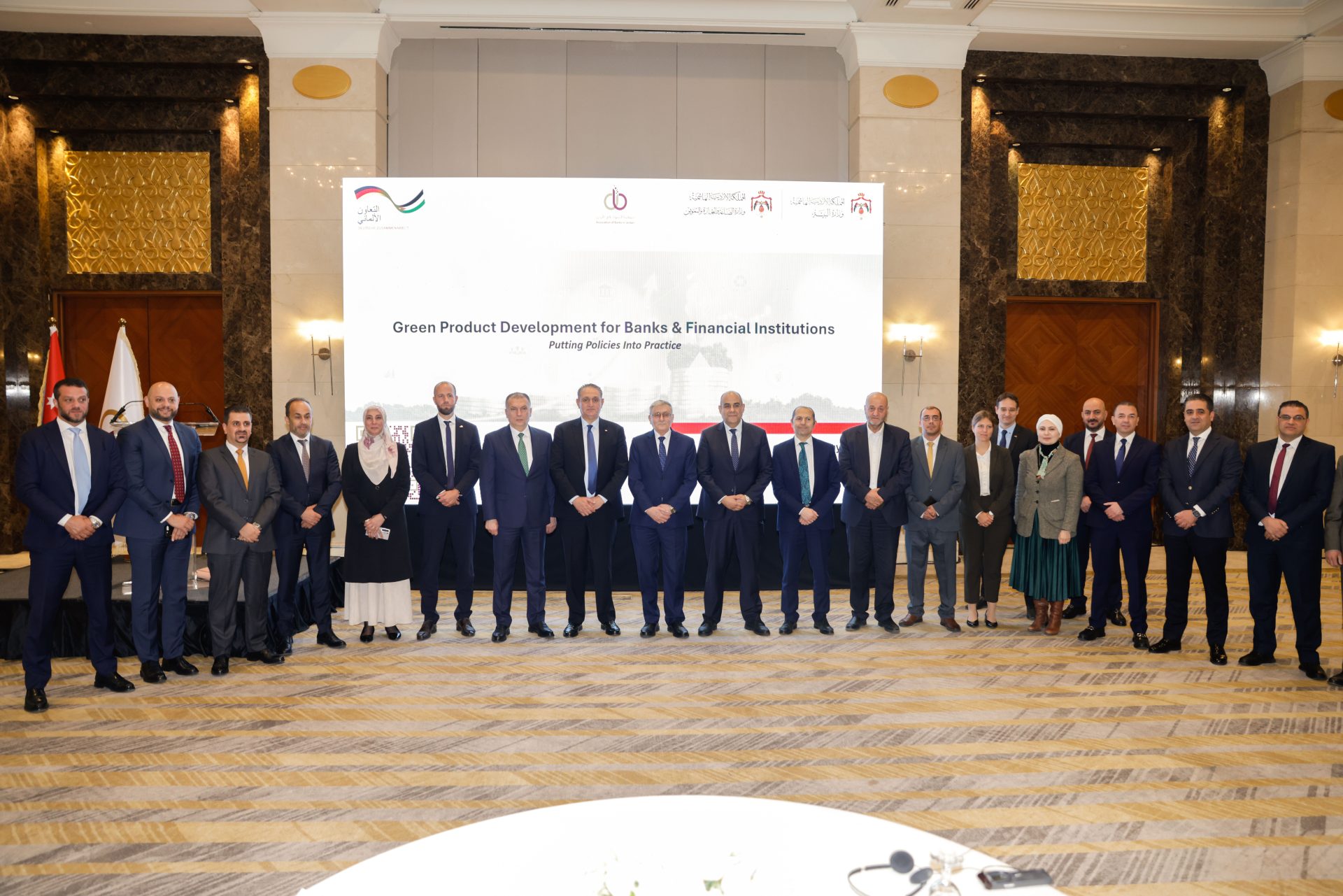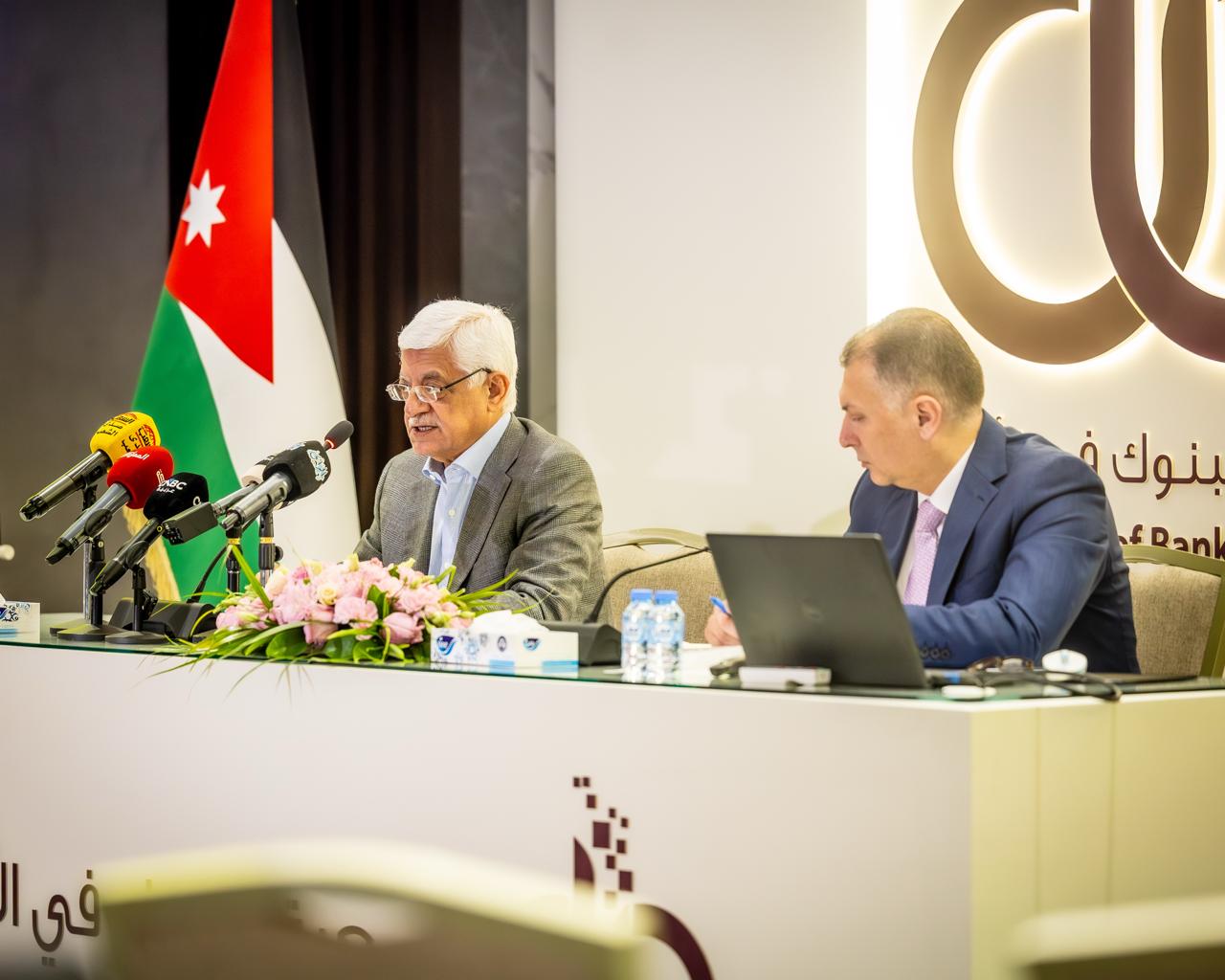



On Wednesday, October 29, 2025, the Association of Banks in Jordan held a dialogue meeting with the Central Bank of Jordan, attended by His Excellency Mr. Mohammad Amairah, Executive Director of the Financial Stability Department at the Bank, along with members of the Association’s Small and Medium Enterprises (SME) Committee.
The meeting was held as part of the Association’s commitment to strengthening dialogue and cooperation between the banking sector and relevant national institutions, with the aim of discussing the challenges facing SME financing and exploring ways to develop a supportive financing environment for this vital sector. The meeting also sought to gather the committee’s views and proposals regarding mechanisms for joint cooperation with the Central Bank, as well as key instructions and regulations that could enhance banks’ ability to finance various categories of SMEs.
Dr. Maher Al-Mahrouq, Director General of the Association, opened the meeting, stressing the importance of convening specialized meetings that bring together banking experts and decision-makers to exchange practical opinions and recommendations. He noted that this is the second meeting held by the Association at this level, following an earlier meeting dedicated to bank compliance managers. Al-Mahrouq praised the positive cooperation extended by the Central Bank in organizing such discussions, expressing his gratitude to the Governor of the Central Bank, Mr. Mohammad Al-Amairah, and all the team for their continued support.
Al-Mahrouq also explained that efforts to enhance SME financing began many years ago, and that banks have led the transformation by establishing specialized departments dedicated to SME financing. He emphasized that these efforts are commendable and form a strong foundation for expanding financing services for SMEs, particularly since this segment continues to require further support to meet its financing needs.
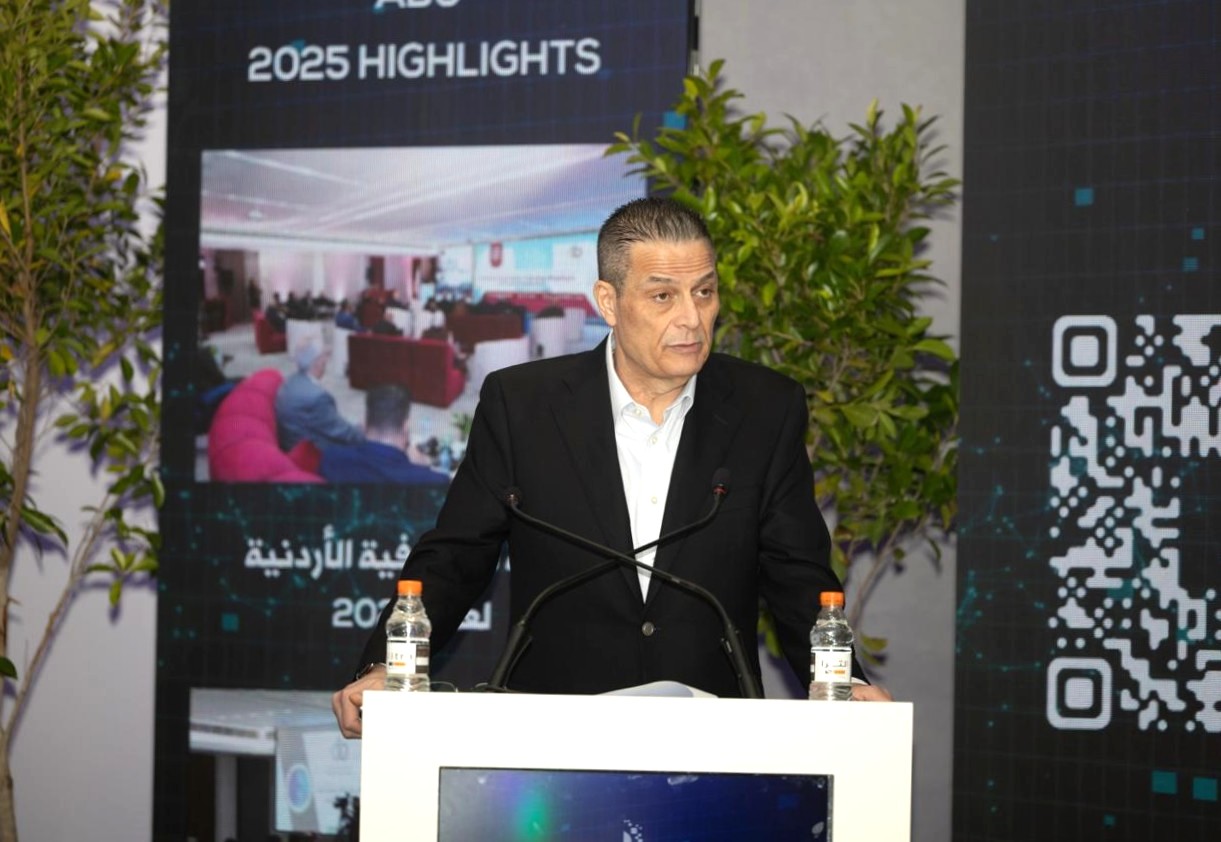
For his part, Mr. Amairah presented the main challenges affecting SME financing from both the supply and demand sides. He praised the role of banks and the Central Bank’s efforts in supporting this sector due to its positive impact on economic growth and job creation. He noted that the Central Bank is working with various partners to address these challenges. Al-Amairah also discussed the National Financial Inclusion Strategy 2023–2028, which focuses on increasing SME financing, in addition to highlighting the importance of reviewing and unifying the national definition of SMEs.
Committee members noted that the Central Bank’s directives for SME financing have enabled the banking sector to strengthen its support for this segment. They also emphasized the importance of the financing programs provided by the Central Bank in past years—especially the COVID-19 financing program—which had positive effects not only on SMEs but also on the broader economy, contributing to the resilience and flexibility of the national economy.
The committee members further indicated that some technical aspects require additional dialogue to improve them, particularly those related to major challenges such as information gaps in the SME market (information asymmetry). They emphasized the need for collaboration with other national institutions in this area. Al-Mahrouq explained that the Association aims to cooperate with national institutions to enhance financial information on economic sectors, which would help reduce information gaps.
In conclusion, both sides affirmed the importance of continued cooperation between the Central Bank and the Association of Banks to review related policies and regulations, and to develop practical programs that enhance banks’ capabilities in modern financing tools directed toward the SME sector, in a manner that supports national objectives and strengthens the resilience and flexibility of the national economy.