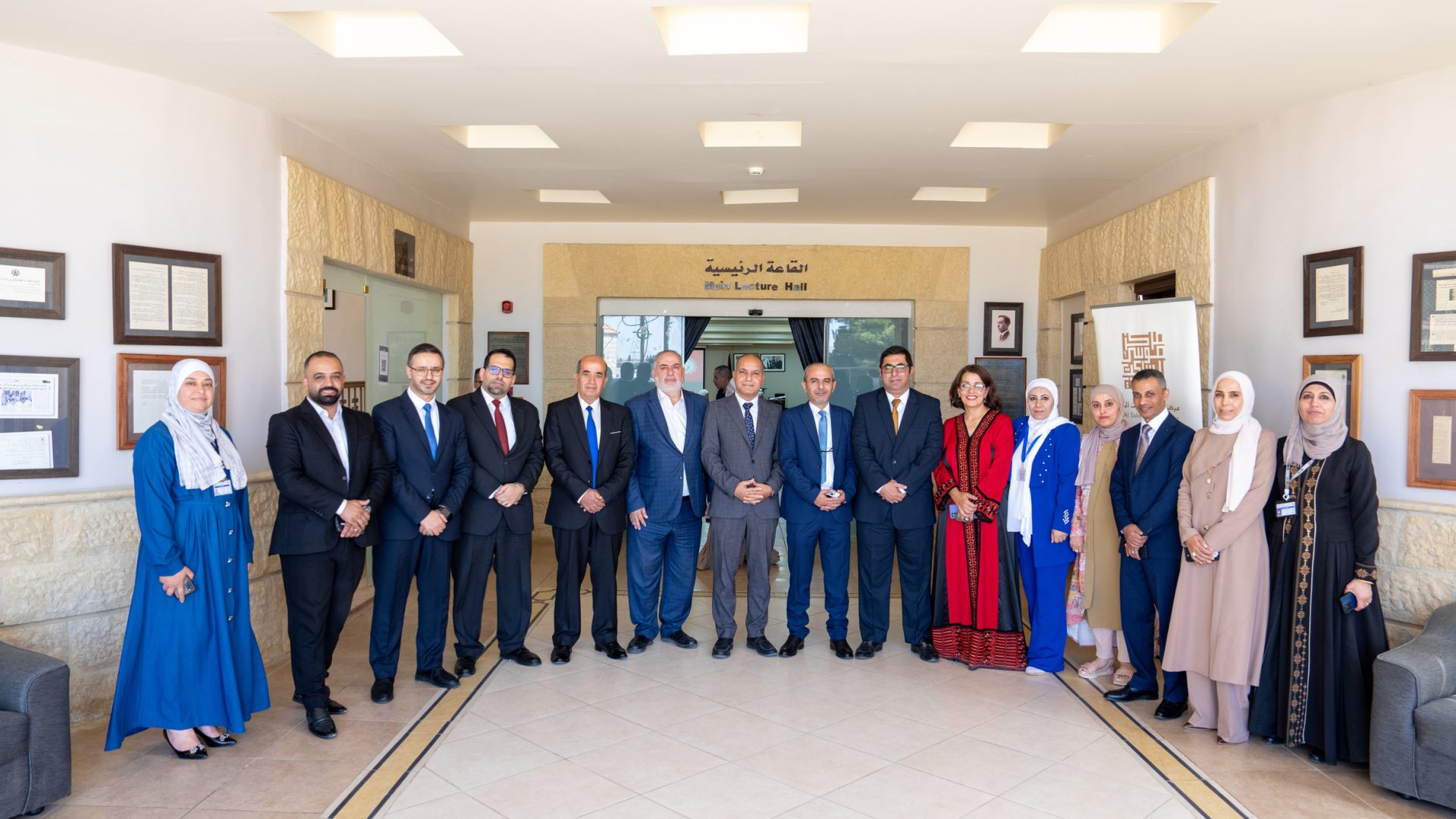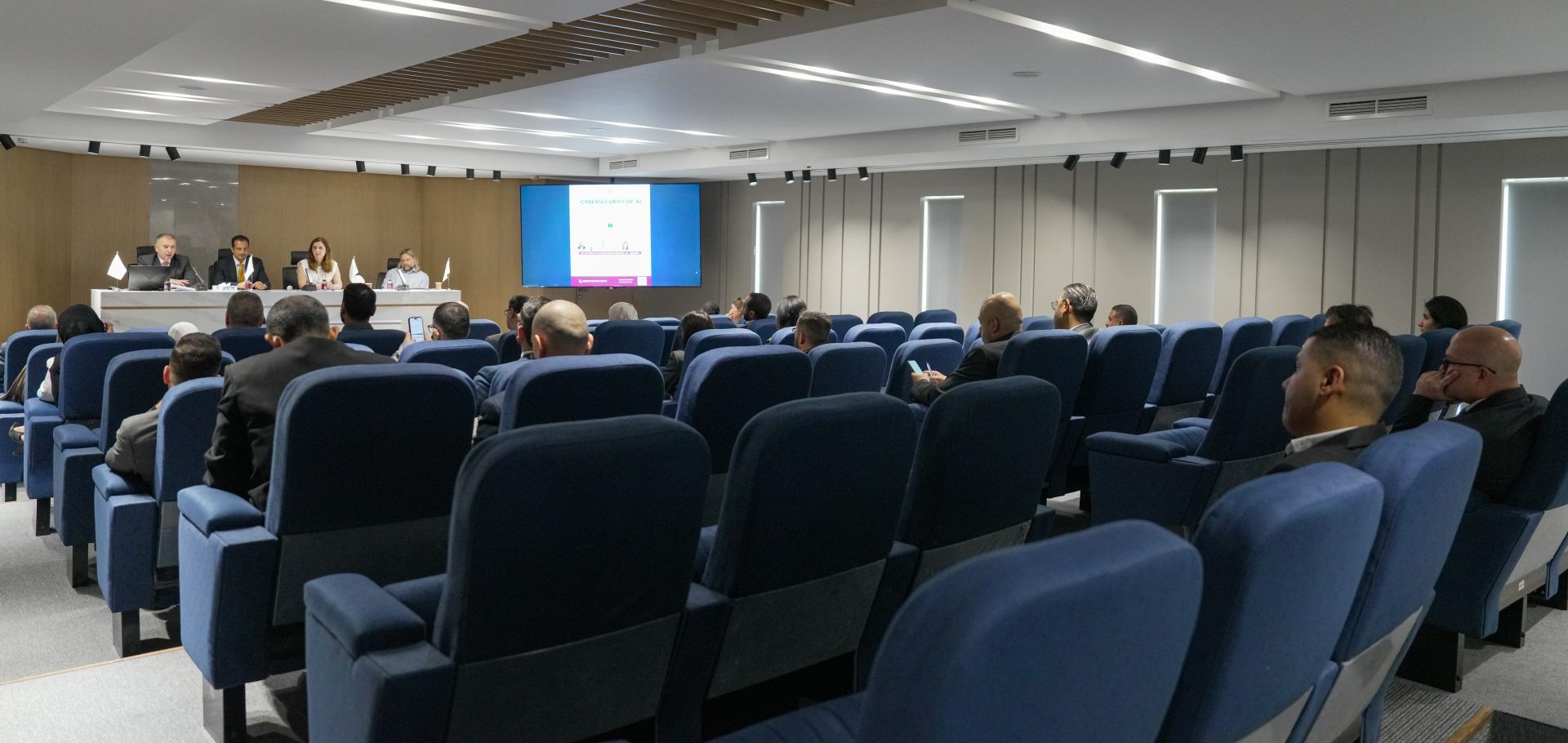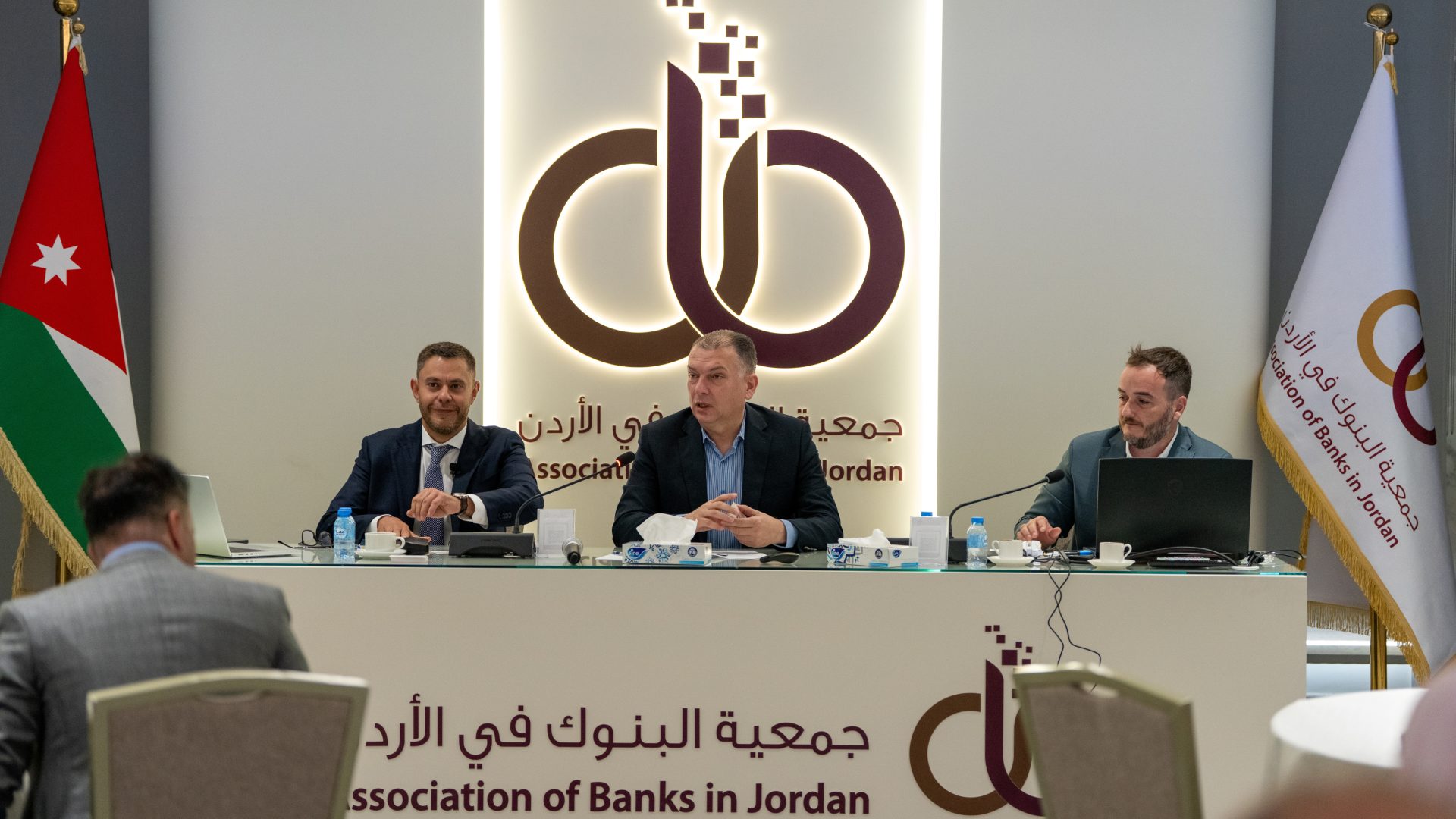




The Association of Banks in Jordan, in cooperation with the International Finance Corporation (IFC), organized a training program on climate-related financial disclosures in the Amman Stock Exchange during the period 30–31 July 2025.
The program aimed to enhance participants’ knowledge and banking capacities regarding the elements of the regulatory framework issued by the Amman Stock Exchange. The framework comprises three interrelated components: the regulatory reporting framework, the companies’ guidance manual, and the disclosure policy, which outlines the methodology and rationale. The training focused on the practical implementation mechanisms related to the International Sustainability Standards Board (ISSB) standards—specifically IFRS S1 and IFRS S2—which represent the core standards for climate-related data and requirements in financial and non-financial reporting that reflect the impacts of climate change.
This workshop forms part of the Memorandum of Understanding signed between the Association and the IFC, which aims to strengthen capacities in environmental and social governance as well as the technical aspects of regulatory frameworks for reporting and disclosure. The Association, in collaboration with the IFC, has previously organized a series of workshops and training programs to expand the pool of local experts.
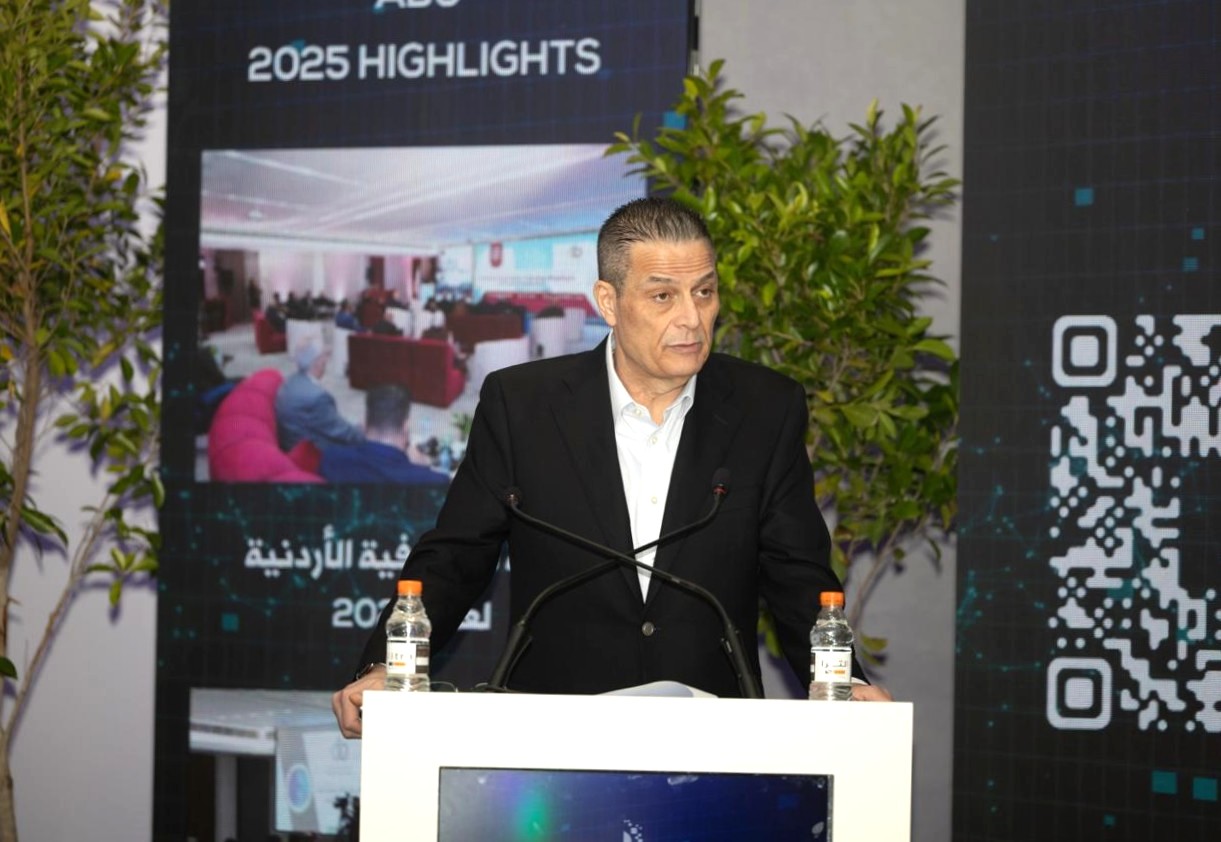
Mr. Fadi Mashharawi, Director of the Studies, Policies, and Planning Department at the Association, stressed the importance of enhancing the banking sector’s capacity to implement the regulatory frameworks issued by the Amman Stock Exchange. He noted that climate-related disclosure will be optional for companies listed on the ASE20 index in 2026 (for 2025 reports) and will become mandatory in 2027 (for 2026 reports). This requires the development of appropriate capacities to ensure the effective adoption and execution of these standards.
Mashharawi highlighted that the banking sector is one of the most attractive sectors for investment in the market, with foreign ownership reaching around 52%. He explained that investors’ behavior has shifted toward investing in green activities, in addition to closely monitoring financial reports and disclosures related to sustainability standards and climate risks to guide future investment decisions. This underscores the need for banks’ sustainability reports to align with best practices and the required disclosure standards.
At the conclusion of the training program, participants expressed their appreciation to the trainer for the valuable information shared, and to the Association for its role in enhancing banking capabilities through training programs tailored to the sector’s needs and designed to strengthen its future potential.