


INTRODUCTION
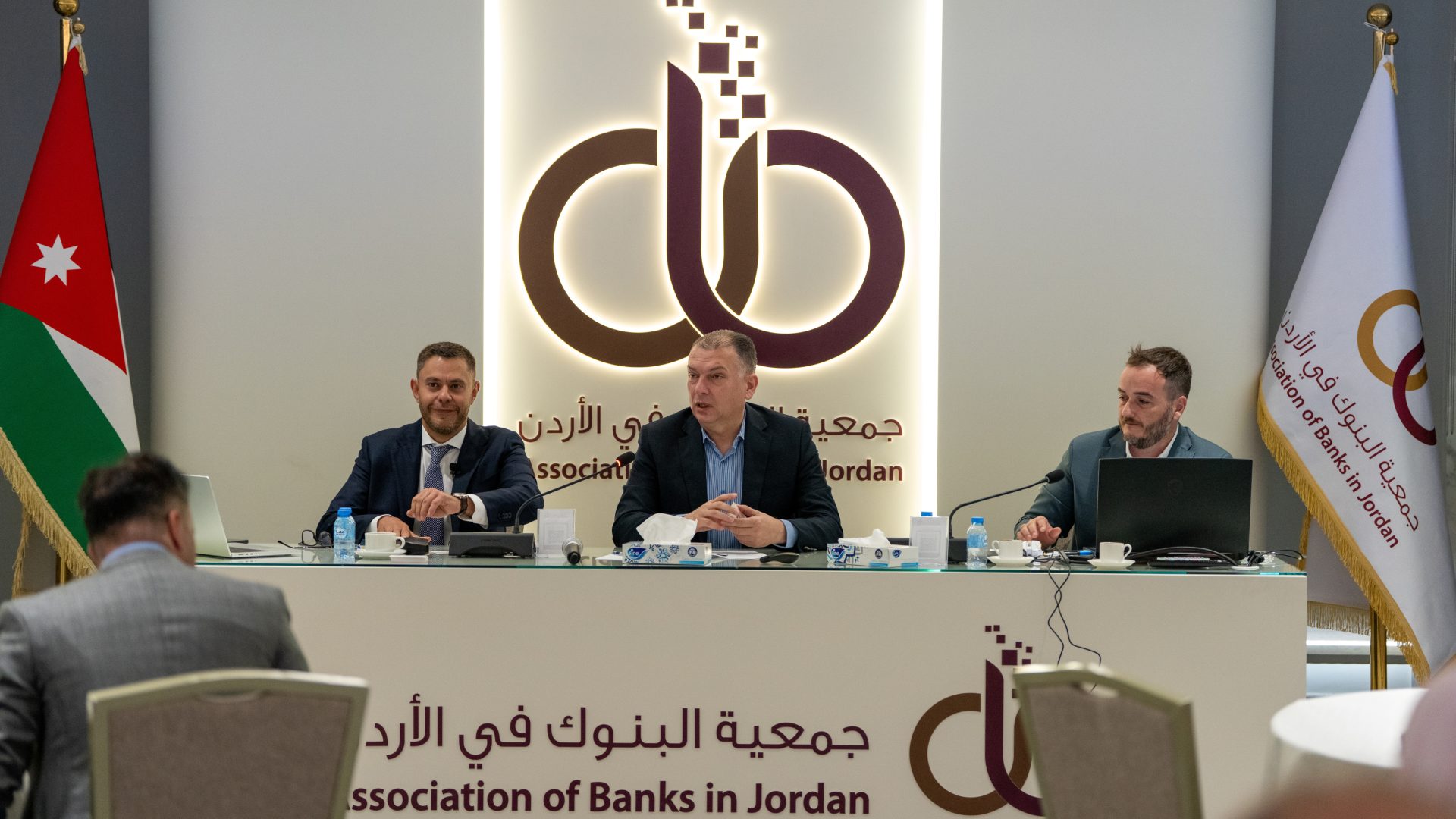
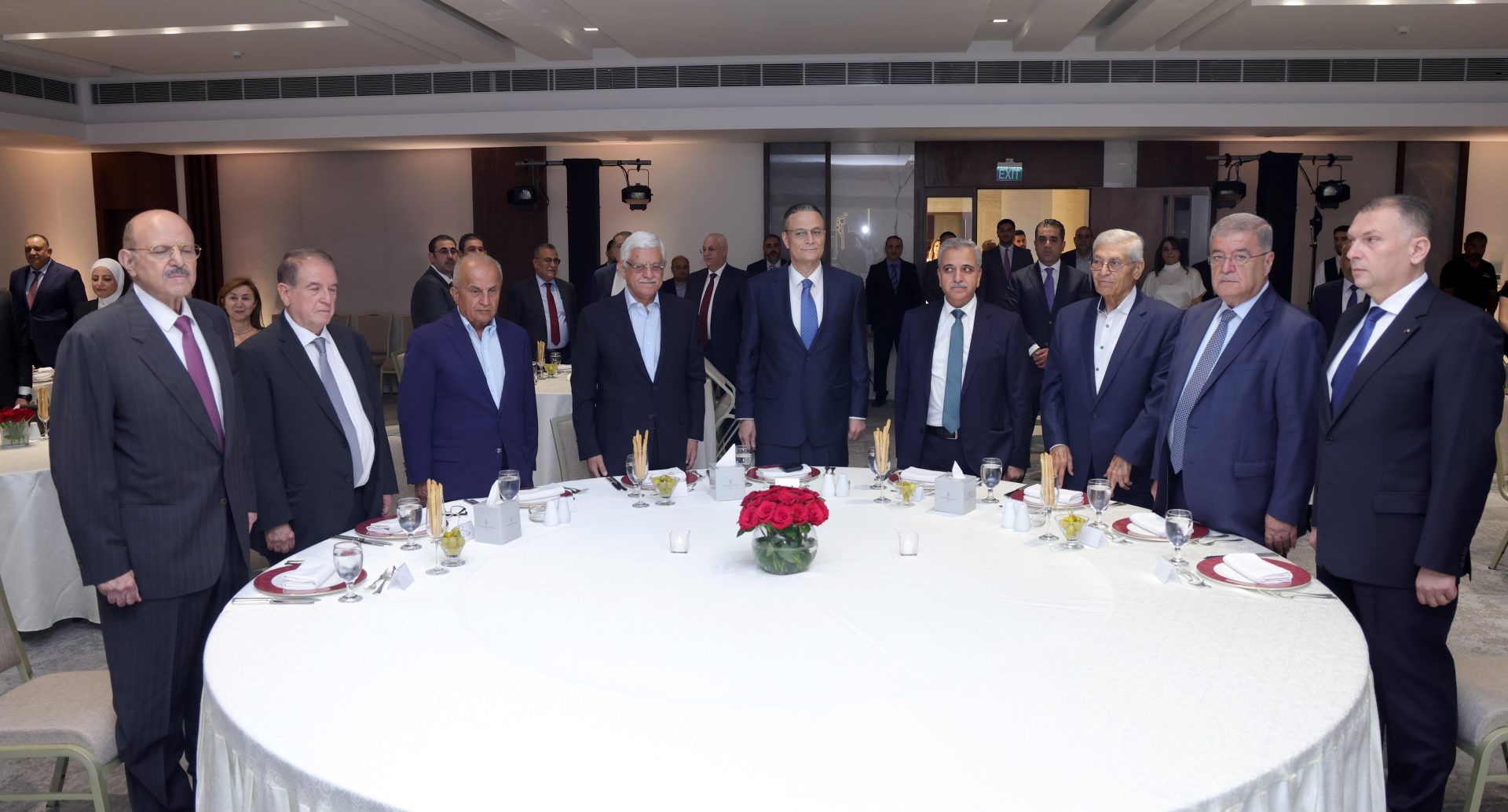
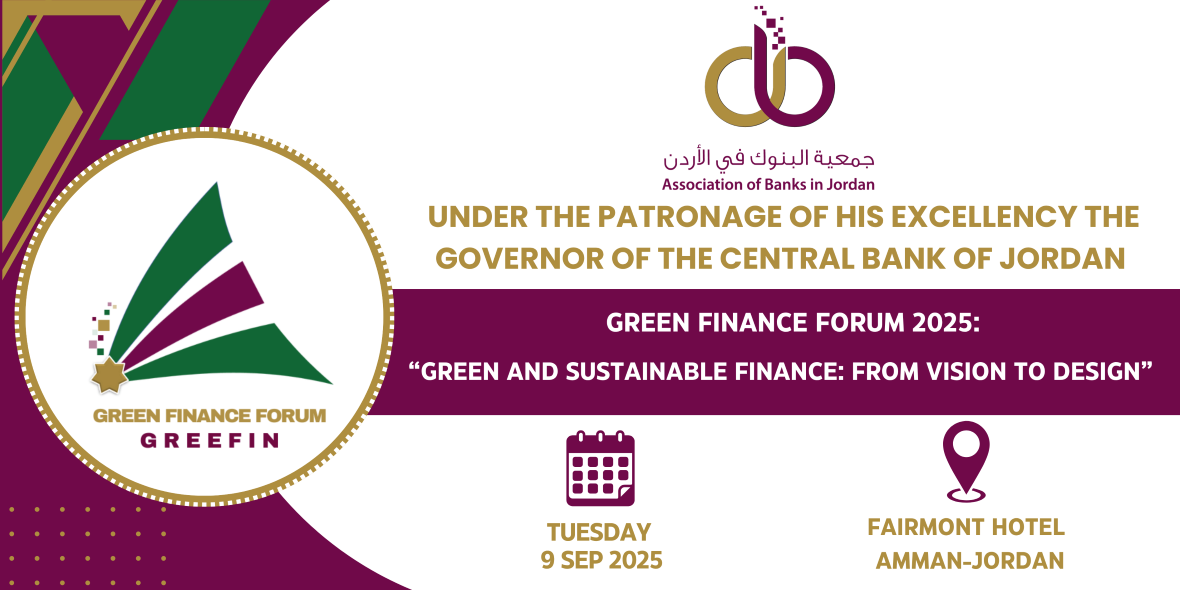
The Green Finance Forum (GREEFIN) is an annual event organized by the Association of Banks in Jordan (ABJ) aimed at promoting dialogue and collaboration within the banking sector and with relevant stakeholders to advance green and sustainable finance in the banking sector. Following the success of 2023 and 2024 editions, the Green Finance Forum returns for its third edition under the theme “GREEFIN Forum 2025: Green and Sustainable Finance: From Vision to Design “and will be held as a full day event on Tuesday, September 9, 2025, at the Fairmont Hotel in Amman, Jordan.
This year’s edition will focus on how banks can design and deploy green financial products tailored to real market needs, while staying aligned with international sustainability standards and national priorities. Also, the forum will highlight practical tools, actionable strategies, and cutting-edge financial instruments to address the dual challenges of climate change and green economic transition. Its overarching aim is to accelerate the shift toward more agile, inclusive, and sustainability-focused banking models, positioning Jordan’s financial sector as a driver of green economic development.
The Forum is held under the esteemed patronage of His Excellency Dr. Adel Sharkas, the Governor of the Central Bank of Jordan, and features prominent figures from the banking sector alongside officials, international partners, and renowned speakers and experts from around the world, highlighting the forum’s vital role as a platform for dialogue and cooperation on green finance among national stakeholders and the international community.
THEME
PRELIMINARY AGENDA
OPENING REMARKS
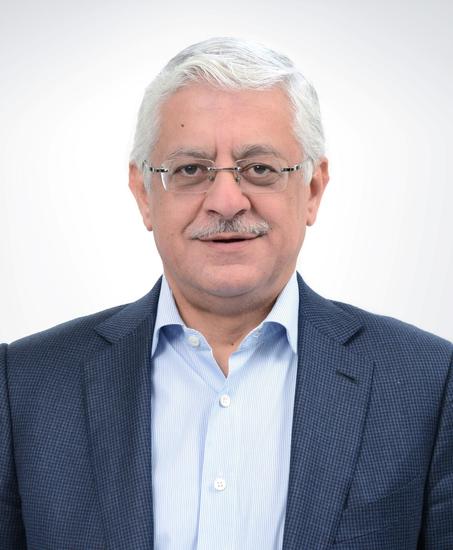
H.E Mr. Bassem Khalil Al Salem
ABJ Chairman of the Board of Directors
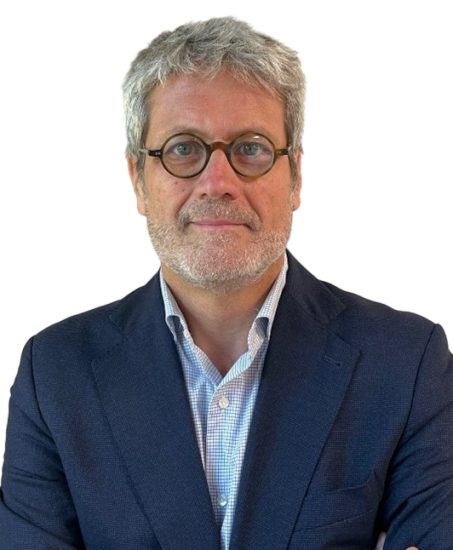
Mr. Ferran Teixes
Vice President of The European Banking & Financial Services Training Association (EBTN)
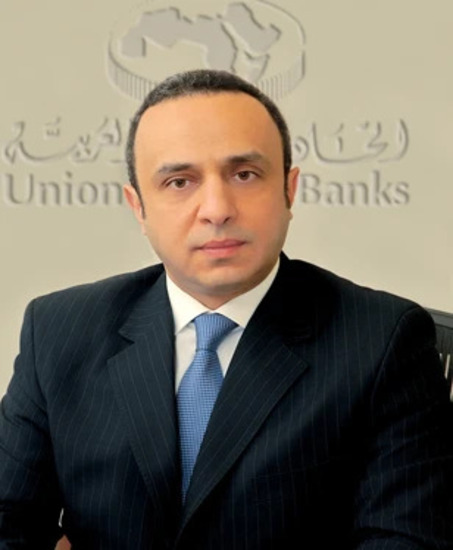
Dr. Wissam H. Fattouh
Secretary General of the Union of Arab Banks
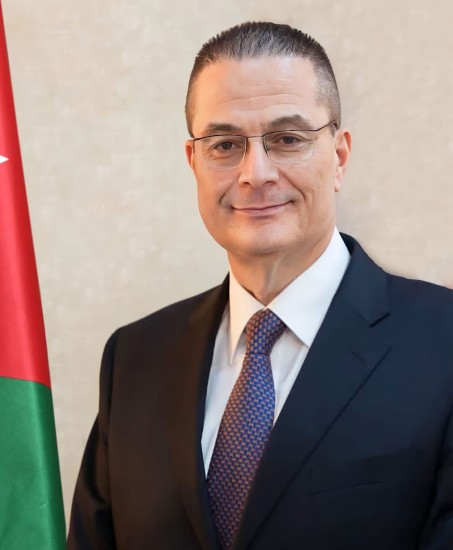
H.E. Dr. Adel Al-Sharkas
The Governor of the Central Bank of Jordan
SPEAKERS & MODERATOR




Maen Ayasrah
Director of the Energy and Environmental Sustainability center
Jordan Chamber of Industry


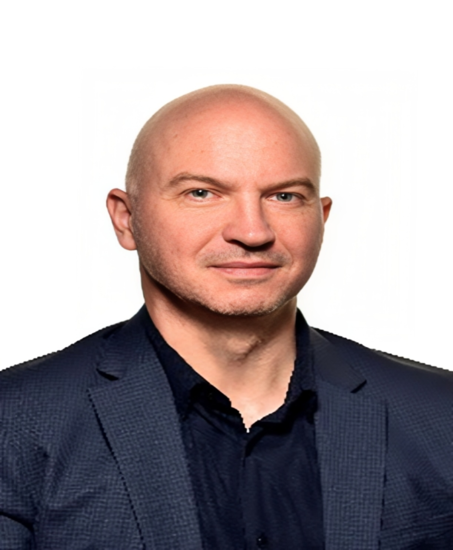
Eric Cimon
Product development and Strategic marketing expert
Frankfurt School of Finance & Management


Basel Chaban
Director of the Risk Management & Regulation Competence Centre
Frankfurt School of Finance & Management


LOCATION
PLATINUM SPONSOR

GOLD SPONSORS




PARTNERS

OUR NETWORK


MORE INFORMATIONS
For more Information, please contact us via email: [email protected] or [email protected]
Ferran Teixes
With over two decades of experience in education, consulting, and organizational leadership, Ferran Teixes is CEO of Future Explorers and Director General at IEF–Barcelona Finance School. He began his career at PwC and IBM, where he specialized in training, knowledge management, and business development. Later, he contributed to GEC and the Barcelona Institute of Architecture (BIArch), focusing on educational innovation and strategic growth.
At the Institut d’Estudis Financers, Ferran has driven the creation of the Barcelona Finance School, positioning it as a leading hub for financial education and bridging academia with the finance industry. His work embraces digitalization, gamified learning, fintech, sustainable finance, and crypto-asset literacy.
As a board member and Vice President of EBTN, Ferran represents IEF at the European level. A certified LEGO® Serious Play® facilitator, he is passionate about lifelong learning, talent development, and shaping the next generation of finance leaders with a strong vision for innovation and impact.
Andrius Skarnulis
Andrius Skarnulis is a Senior Financial Economist with the Finance, Competitiveness and Investment Global Practice in the Middle East, North Africa, Afghanistan and Pakistan (MENAAP) region at the World Bank. He leads and contributes to a wide range of financial sector and private sector lending operations, advisory engagements, and high-level policy dialogue across the region.
Previously, Andrius worked with the Long-Term Finance team, where he focused on sustainable finance initiatives, development of global knowledge products, and pension fund policy reforms across several regions, including East Asia and Pacific, Latin America, and Europe and Central Asia.
Before joining the World Bank, he gained extensive experience in the financial sector, having worked for several commercial banks and spending nearly seven years at the Central Bank of Lithuania.
Andrius holds a Ph.D. in Financial Mathematics and is a certified Financial Risk Manager (FRM) by GARP. He also earned an international Executive MBA from the Baltic Management Institute.
Yasser Akkaoui
Yasser Akkaoui has been at the forefront of Corporate Governance advocacy in the Middle East since 1997. He founded Capital Concept in 2005 a tech enabled Corporate Governance and sustainable-finance research and consulting firm.
In 2013, Capital Concept was the first corporate governance rating and advisory firm to evaluate and rate listed companies in the MENA region. In 2018, Capital Concept presented its Environmental, Social, and Governance (ESG) and Governance and Integrity (GIA) proprietary methodologies developed in collaboration with UN Lebanon, IFC, and EBRD during the UN Business and Human Rights (BHR) forum.
In 2022, Capital concept launched the ESG Stewardship Program that facilitated more than 1 billion dollars investments in the MENA region.
Capital Concept launched ESGSP.COM, a unique and comprehensive digital platform that enables companies, financial institutions to diagnose their ESG posture and embark in their sustainability journeys.
Since 2011, Yasser Akkaoui has been a founding member of the Lebanese Center for Policy Studies, and served as Chair of the Human Rights Watch Lebanon advisory committee until 2022.
In academia, Mr. Akkaoui shares his expertise as a Business Ethics instructor at The American University of Beirut, is a member of the advisory board of the Lebanese American University’s school of business and is a member of the advisory comity of Institut de Finance et Gouvernance (IFG).
Dr. Rasha Dayyat
Dr. Rasha Dayyat is the Director of Planning and Institutional Development at the Amman Stock Exchange, where she oversees the preparation of ASE’s strategic plan, reporting, and statistical outputs. She is responsible for continuously updating and developing indices in line with global practices, preparing the exchange’s annual report, conducting studies, and managing institutional risks. She also holds a professional certificate in Sustainability accredited by Social Value International.
Dr. Dayyat led the ASE’s climate-related disclosure project in partnership with the IFC and was selected by the World Federation of Exchanges (WFE) for two consecutive years as one of the women leaders in global stock exchanges. She holds a Ph.D. in Finance from Coventry University (UK), a Master’s and Bachelor’s in Economics, and previously served as Assistant Professor in Finance specializing in monetary policy and capital markets.
Her professional journey also includes serving as an advisor to the IMF Executive Director for the Middle East region and holding leadership roles at Princess Sumaya University for Technology and Mutah University, where she was Vice Dean and Head of Department. Additionally, Dr. Dayyat was an economic consultant for the European Union, contributing to the drafting of the Public Financial Management Report.
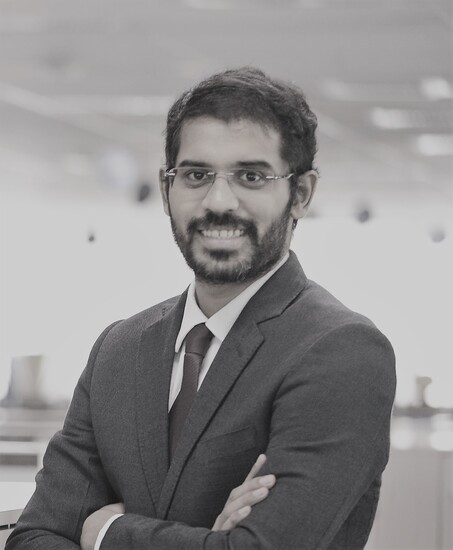
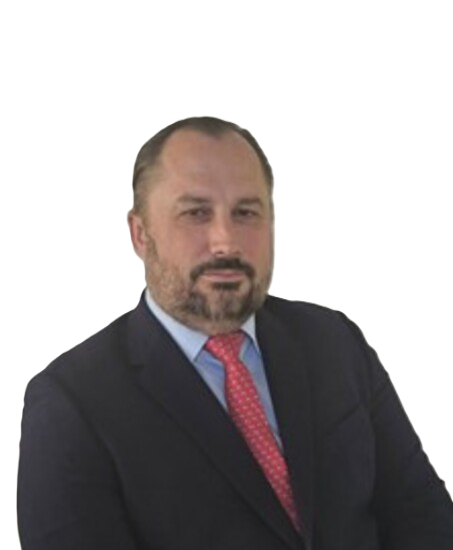
Basel Chaban
Basel Chaban is Director and Head of the Risk Management & Regulation Competence Centre at the International Advisory Services of Frankfurt School of Finance & Management. With two decades of experience in climate and financial risk management across multiple regions, he provides strategic advice to financial institutions on ESG and climate-related risks.
He supports clients in developing corporate climate governance and transition strategies, ensuring that climate considerations are integrated into risk management frameworks. His expertise covers international and European regulatory standards, including BIS, EBA, BCBS, Basel II & III, IFRS 7, and IFRS 9.
Basel has also led global development finance projects, partnering with leading financial institutions, development banks, and multilateral organizations to address ESG and climate risks. His work combines regulatory knowledge with practical solutions to strengthen the resilience and sustainability of financial systems worldwide.
Héctor Robelló
Héctor Robelló, FRM, CEFA, EFA, is a finance professional with extensive experience as a manager and lecturer in asset management and financial markets, with a strong focus on sustainable finance. He has worked on projects related to the EU Taxonomy, climate risk impacts and TCFD implementation, sustainable financing frameworks and Second Party Opinions (SPOs), as well as the measurement of ESG impacts in investment portfolios for both financial and non-financial institutions.
He has contributed to conferences, press articles, specialized consultancy projects, and training programs. He has also mentored master’s dissertations in sustainable finance and served as a reviewer of academic ESG papers. For over 18 years, he has collaborated with BFS-IEF (Barcelona Financial School - Institut d'Estudis Financers), supporting training, research, and outreach initiatives in finance and sustainable finance.
Previously, Héctor worked as a wealth management and equity portfolio manager at a financial institution and as a pension plan manager at an insurance company, bringing practical expertise to his academic and professional contributions.
Srinath Komarina
Srinath Komarina is Program Manager of the Global Trust Fund on Sustainable Finance Instruments, where he plays a key role in scaling up thematic bond markets in emerging economies. Since its inception, the Fund has structured and mobilized over USD 2.15 billion in impact finance from institutional investors. His work has supported landmark issuances including Asia’s first Sovereign Sustainability-Linked Bond, Cambodia’s largest Green Bond at the time of issuance, a historic Debt-for-Nature Swap to conserve the Amazon, and a social bond in Peru that received the ESG Bond Deal of the Year award.
Previously, Srinath worked at GGGI Viet Nam, supporting the Government of Vietnam in developing its green bond market. He led technical assistance for the country’s first internationally verified onshore green bond in local currency, valued at VND 1,700 billion (USD 75 million). Prior to that, he headed the Climate Finance unit at a leading Indian private sector bank, pioneering transformative financial mechanisms such as India’s first green bond, SDG-linked products, blended finance, and credit enhancements to expand access to finance for the Bottom of the Pyramid.
Srinath holds an MBA from IIM Mumbai and a Bachelor of Technology in Computer Science Engineering, combining a strong technical foundation with deep expertise in sustainable finance and impact investment.
Carol Chouchani Cherfane
Carol Chouchani Cherfane directs the Arab Centre for Climate Change Policies and leads the Climate Change and Natural Resource Sustainability cluster at the United Nations Economic and Social Commission for Western Asia (ESCWA) in Beirut. Her work supports inter-governmental and regional cooperation on water, energy, and food security under a changing climate, with a particular focus on climate analytics for climate action.
She previously served as Chief of the Water Resources Section and led the Technology and Enterprise Development Team at ESCWA. Before joining the UN, Carol worked at the World Bank and Harvard University on environmental policymaking in the Mediterranean region.
With 25 years of professional experience in natural resource management, Carol’s expertise is complemented by advanced degrees from the Fletcher School of Law and Diplomacy (Boston) and Georgetown University (Washington, DC) in development economics, international environmental policy, and law.
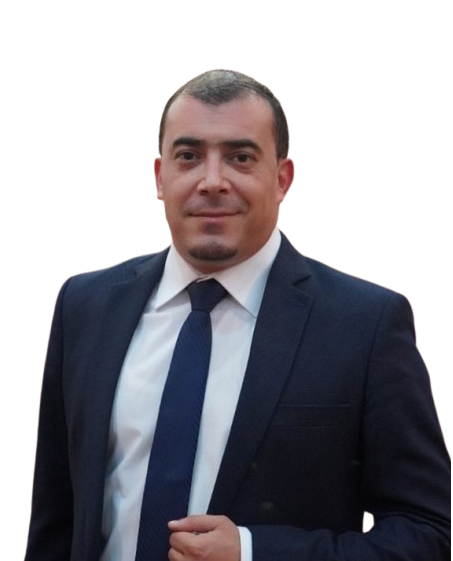
Maen Ayasrah
Maen Ayasrah holds a Master’s degree in Project Management for Energy and Environmental Engineering from the École Nationale Supérieure des Mines de Nantes in France, and a Bachelor’s degree in Industrial Engineering – Engineering Management from Jordan University of Science and Technology. He also holds multiple professional certifications, including Certified Energy Auditor, Certified Measurement & Verification Professional, Certified Advanced Building Recommissioning, and Certified Lead Auditor for ISO 50001 (Energy Management Systems).
He currently serves as Director of the Center of Energy and Environmental Sustainability in Industry at the Jordan Chamber of Industry, the technical arm that supports establishments in energy and sustainability. He has designed and managed programs such as the Energy Efficiency Networks in the Industrial Sector, Water Efficiency Networks, and Waste Management Networks, and is the founder of the Green Factory Award.
Maen has represented Jordan in numerous local and international conferences, including as a keynote speaker at the 2018 Arab-German Energy Forum in Berlin and as an expert speaker at the 2019 International Conference on Innovation in Water Technologies in Amman. In 2019, Solar MENA magazine named him among the most influential people in the energy sector in the MENA region.
He has also contributed to national policymaking by serving on committees related to the environment, participating in drafting and amending legislations, and contributing to the National Green Growth Plan and other national environmental and climate strategies. Additionally, he has conducted training programs specializing in environmental management and recycling.
Michal Deuszkiewicz
Michal Deuszkiewicz is a seasoned leader in sustainable finance with deep expertise in green technology. His work has centered on fostering sustainable practices within financial institutions and advancing green housing finance initiatives. As a Sustainable Green Finance Expert at Frankfurt School of Finance and Management, he provided advisory services across multiple countries, supporting Partner Financial Institutions with diagnostics and delivering training on Green Lending Principles.
Earlier in his career, Michal held key positions at the European Bank for Reconstruction and Development (EBRD), where he coordinated international projects, integrated climate resilience technologies, and managed engineering teams. He was instrumental in developing the Green Technology Selector, ensuring its alignment with international standards, and reviewing local regulations to enable effective implementation.
In addition, Michal has delivered training sessions at Frankfurt School and coordinated local experts for EU Southern Neighbourhood assignments. His expertise spans energy efficiency projects, climate resilience strategies, and GHG reporting methodologies, positioning him as a significant influencer in the green finance landscape.
Eric Cimon
Eric Cimon is a senior corporate development, product development, and strategic marketing expert with over 30 years of experience in market analysis, strategy formulation, and business planning. His extensive career includes management roles at leading financial services companies such as Allianz Global Investors, Skandia, and Prudential Financial Services. He began his professional journey at Harvard University's Institute for International Development, focusing on capital markets development in Russia, Eastern Europe, and Africa.
Today, Eric advises managers in the financial services sector on marketing, sales, and distribution strategies. He regularly conducts training needs assessments, develops programs in his areas of expertise, and mentors staff and senior management. In recent years, he has worked extensively in Africa and the MENA region, partnering with numerous financial institutions.
Eric holds an MA in International Relations from Tufts University's Fletcher School of Law & Diplomacy and a Bachelor of Business Administration from the University of Mississippi. Multilingual and internationally minded, he is fluent in English, French, and German, with a basic command of Russian.
Ms. Hania Sabbidin Dimassi
Ms. Sabbidin Dimassi has over 20 years of experience in regional Arab socioeconomic development. Her current work focuses on research and analysis related to the implementation, follow-up, and review of the 2030 Agenda for Sustainable Development in the Arab region, with a particular emphasis on technology and industrial development. She plays a central role in organizing the Arab Forum for Sustainable Development, an annual high-level, multi-stakeholder event that serves as the primary regional platform for dialogue on sustainable development.
She has contributed to key publications on the SDGs, including co-authoring the Arab Sustainable Development Report and more recently the Annual SDG Review 2025: Financial Inclusion in the Arab Region. Earlier in her career, Ms. Dimassi specialized in technology for development, with expertise in ICT for development, innovation policy, entrepreneurship ecosystems, digital Arabic content, cyber legislation, Arabic domain names, and the broader information society.
She holds a Bachelor’s degree in Computer and Communications Engineering and a Master’s in Engineering Management, combining technical expertise with leadership in sustainable development and technology policy.
Mohamad Amaireh
Mohamad Amaireh has been with the Central Bank of Jordan (CBJ) for 30 years and has served as the Executive Manager of the Financial Stability Department since 2013. He holds a Master’s degree in Economics and Statistics and a Bachelor’s degree in Finance, and has taught specialized finance courses at the Banking Studies Institute in Jordan.
He has led the CBJ FSAP team and collaborated with the IMF in Jordan’s most recent FSAP assessment. He is also a member of the Financial Stability Committee of central bankers at the Arab Monetary Fund. Mohamad has been invited as a panelist and resource person at numerous international conferences on topics including banking supervision, financial stability, bank resolution, crisis management, financial inclusion, financial literacy, shadow banking, capacity building, and women’s empowerment.
At the CBJ, he heads the Green Finance Strategy Committee and co-leads the national team implementing Jordan’s Green Taxonomy in collaboration with international and national stakeholders. He also chairs several technical committees, including SMEs Financing and Financial Inclusion and the National Financial Literacy Program. He works closely with international and regional institutions such as the World Bank, IMF, Arab Monetary Fund, EBRD, EIB, and GIZ, among others.
Ruba Al Zubi
Ms. Ruba Al Zubi is an advocate and global leader in climate mainstreaming, green economy, and international development with over 23 years of experience. She brings expertise in policy development, program management, climate and green finance, private-sector engagement, youth and women empowerment, institutional reform, and green innovation. In 2022, she was selected by the Royal Hashemite Court to co-shape the Green Growth driver as part of Jordan’s national economic visioning process. She is also co-founder of the Jordan Green Building Council and the Women in Renewable Energy (WiRE) Jordan Chapter.
Throughout her career, Ms. Al Zubi has held leadership positions that demonstrate her ability to manage complex development programs with diplomacy and impact-driven oversight. She served as the first Policy Director at the Ministry of Environment, CEO at EDAMA, and led private sector development under USAID-funded economic and energy sector development programs. Currently, she is with the UK Foreign, Commonwealth & Development Office (FCDO), where she established and oversees the regional climate, energy, and environment portfolio in the Levant.
Shada El-Sharif
Shada El-Sharif is the CEO and Senior Advisor at SustainMENA, an advisory and awareness-raising organization dedicated to the green economy, clean technology, climate change, and sustainability in Jordan, the MENA region, and beyond. She also serves as the Green Economy Policy Expert to the GIZ-implemented Green Action in Enterprises (GAIN) Project. Shada has played a pivotal role in shaping Jordan’s Economic Modernization Vision (EMV), particularly in the areas of ‘Green Economy’ and ‘Sustainable Resources.’
She has held leadership positions and senior advisory roles across public, private, and international organizations, and is widely regarded as a thought leader on the region’s green economic transition. Shada actively mentors green entrepreneurs and frequently writes and speaks on sustainability issues at both national and international platforms. She holds a Master’s in Public Administration (MPA) from the Harvard Kennedy School, and MEng and BS degrees in Environmental Engineering from Cornell University.
Tomas Fiege Vos De Wael
Tomas Fiege Vos De Wael is a seasoned sustainability expert with extensive experience in the field since 2008. He completed his second legal state exam in Germany with honours and spent 15 years in the banking sector, where he held managerial roles in multiple countries. He later co-founded and led a start-up in Indonesia focused on sustainable sugar and ethanol production, integrating reforestation of degraded lands, biodiversity restoration, and community support. The project earned the National Geographic Society & Shell “Great Energy Challenge Award.”
In 2013, Tomas joined the Peterson Control Union Group in Rotterdam, working in the Consultancy Division. He has since led major assignments with multinationals, financial institutions, development agencies, NGOs, and governmental organizations, covering areas such as sustainable finance, energy, biodiversity, and governance. He also serves as secretary to the U.S. Soy Export Council for EU RED (Renewable Energy Directive) compliance matters.
Dr. Rasmi A. Hamzeh
Dr.Rasmi A. Hamzeh has 25 years of professional experience as a business development consultant across multiple sectors, including serving as CEO for various institutions. Over the past decade, he has transformed JREEEF from being a component of the REEE Law into a fully operational and efficient national governmental organization. He designed JREEEF’s strategy and plans, while coordinating with international donors and organizations to help Jordan address global climate change challenges and promote low-carbon economic activities and sustainable energy.
Rasmi has successfully secured over USD 100 million in donor funding across nine years and has spearheaded national awareness campaigns on renewable energy and energy efficiency. He has actively advocated for renewable energy laws and regulations at the Cabinet, Parliament, private sector, business associations, NGOs, and community levels. In addition, he has been a strong voice in climate change dialogues through his participation in COPs and media outreach, further contributing to Jordan’s energy transition efforts through JREEEF programs and projects.
Dr. Waseem Hoeneini
Dr. Waseem Hoeneini is a seasoned executive with more than 25 years of experience across multinational corporations in MENA, APAC, Europe, Africa, and global roles. He holds a Ph.D. in Financial Management and several distinguished professional qualifications, including CPA (Australia), Certified Financial Consultant (CFC), Certified Management Consultant (CMC), as well as GRI and IFRS sustainability certifications.
A recognized authority in sustainability governance, assurance, and capacity building, Dr. Hoeneini is a global speaker on sustainability integration, climate governance, and corporate responsibility. He has guided organizations through complex transition planning and alignment with international reporting frameworks.
Currently, he is the Managing Partner of WMSJ, a firm dedicated to sustainability governance, assurance, and capacity building. Under his leadership, WMSJ is a GRI Community Member, GRI Certified Training Partner, IFRS Sustainability Consultant Content Programme Member, and IFRS Sustainability Alliance Member. The firm is also an official supporter of the UN Sustainable Stock Exchanges (UN SSE) Initiative, reinforcing its role in advancing sustainable business practices across the region.
Dr. Hoeneini is committed to enabling organizations to architect their sustainability journey as a strategic driver for resilience, innovation, and long-term value creation.
Joelle Yazbeck
Joelle Yazbeck, Acting Director of the ESCWA Technology Centre, leads initiatives advancing sustainable development and entrepreneurship across the Arab region. She focuses on strengthening the capacity of SMEs and startups to adopt innovative technologies and sustainable business models, while facilitating access to strategic partnerships and investment opportunities.
With extensive experience in regional programs, she integrates policy guidance, technical support, and opportunity creation to foster inclusive and sustainable growth. Currently, she is engaged in the RISEGreen Programme as an implementing entity, a multi-country initiative designed to empower enterprises and mobilize blended finance for MSMEs, supporting the region’s transition toward resilient and scalable business models.
Dr. Cengiz Cihan
Dr. Cengiz Cihan has over 20 years of experience in economic research, policy advice, and strategy development, with expertise in macroeconomics, sustainable development finance, and fiscal policy. Throughout his career, he has provided thought leadership and guidance on economic and financial issues critical to sustainable growth and resilience.
He has held key positions at the United Nations, UNDP, OECD, and the Central Bank of Türkiye, where he advised governments on macroeconomic trends, development finance, and policy coordination. His work continues to focus on helping countries design and implement strategies that align economic development with sustainability objectives.
Alexander Wiese
Alexander Wiese is a Senior Sustainable Finance Expert with nearly two decades of experience in structuring climate, transition, and nature-related financial products worldwide. He is the Founder and CEO of Wiese Advisory, where he advises governments, municipalities, and international organizations—including UN agencies, the World Bank, and the Asian Development Bank—on sustainable finance strategies and instruments.
His banking career spans more than a decade in senior cross-asset structuring roles at Barclays and Credit Suisse, where he pioneered ESG and SDG-related structured products for institutional investors. His expertise includes debt structuring, transition finance mechanisms, and financial innovations such as Debt-for-Nature and Debt-for-Climate Swaps, SDG Bonds, and Sustainability-Linked Bonds.
Notable projects include advancing pension fund and banking sector activities for sustainable finance in Costa Rica, contributing to Sri Lanka’s National Climate Finance Strategy, and advising the Bank of Mongolia on integrating climate risk into its monetary and operational policy frameworks.
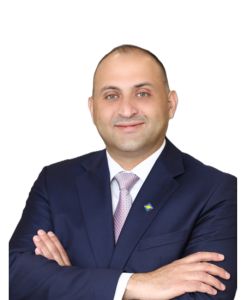
Fadi Khalil
Fadi Nasif Khalil is the Head of Corporate Banking at Jordan Kuwait Bank, bringing over 18 years of experience in corporate banking, project finance, and sustainable finance.
He led the issuance of Jordan’s first Green Bond and currently chairs the Green Finance Committee under the Jordanian Association of Banks. Fadi also serves as a consultant to the World Bank on financial services within the Business Enabling Environment Project.
He sits on the boards of several companies and actively contributes as a jury member and mentor for startups and fintech initiatives.
He is recognized for his role in driving banking innovation, empowering SMEs, and advancing green finance in Jordan.