


-Weshah: The Central Bank is prepared to expand cooperation with universities, including the exchange of expertise and systems.
-Al-Sarayrah: A package of development measures aims to align the outcomes of business schools in Jordanian universities with labor market needs.
-Al-Mahrouq: The Jordanian banking sector is undergoing fundamental transformations in operations and employment.
-Al-Hindawi: More than 140,000 trainees have participated in the Institute of Banking Studies’ programs.
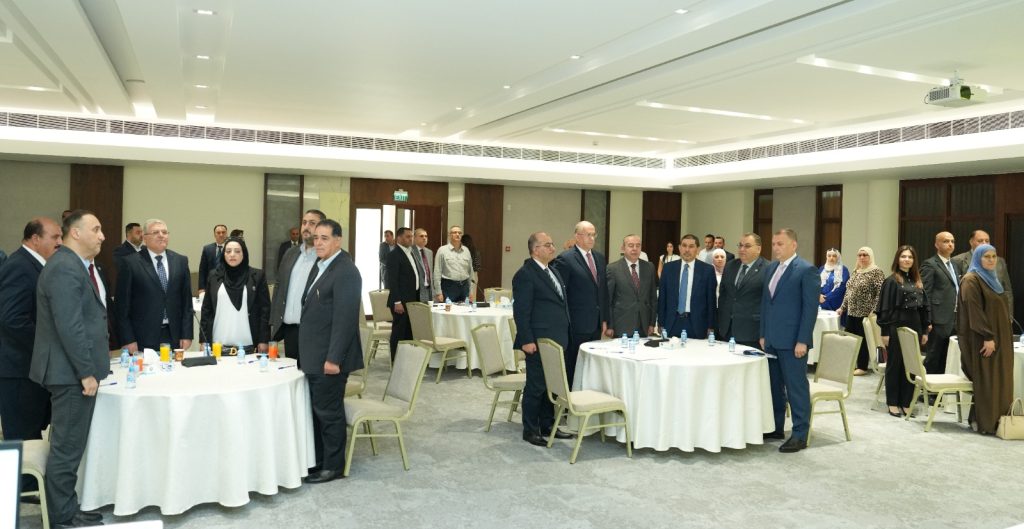
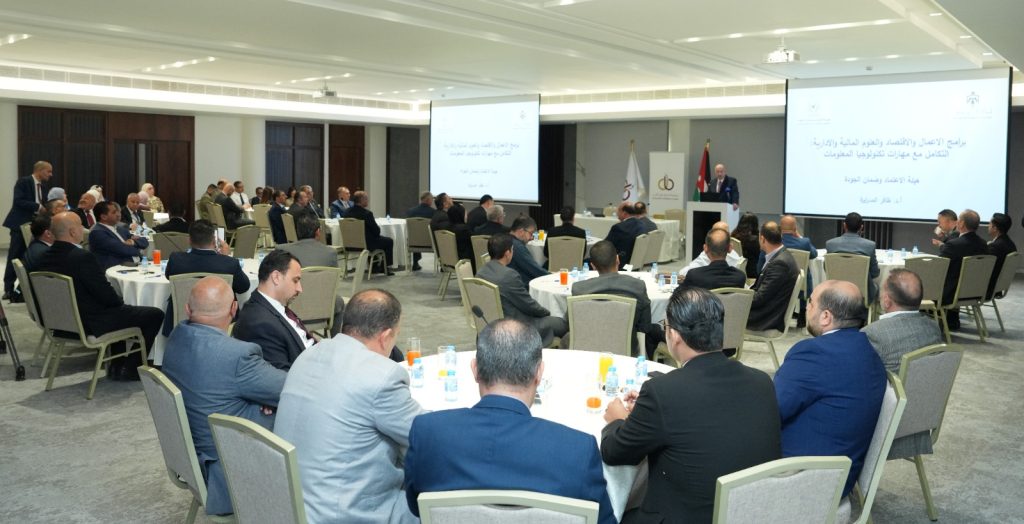
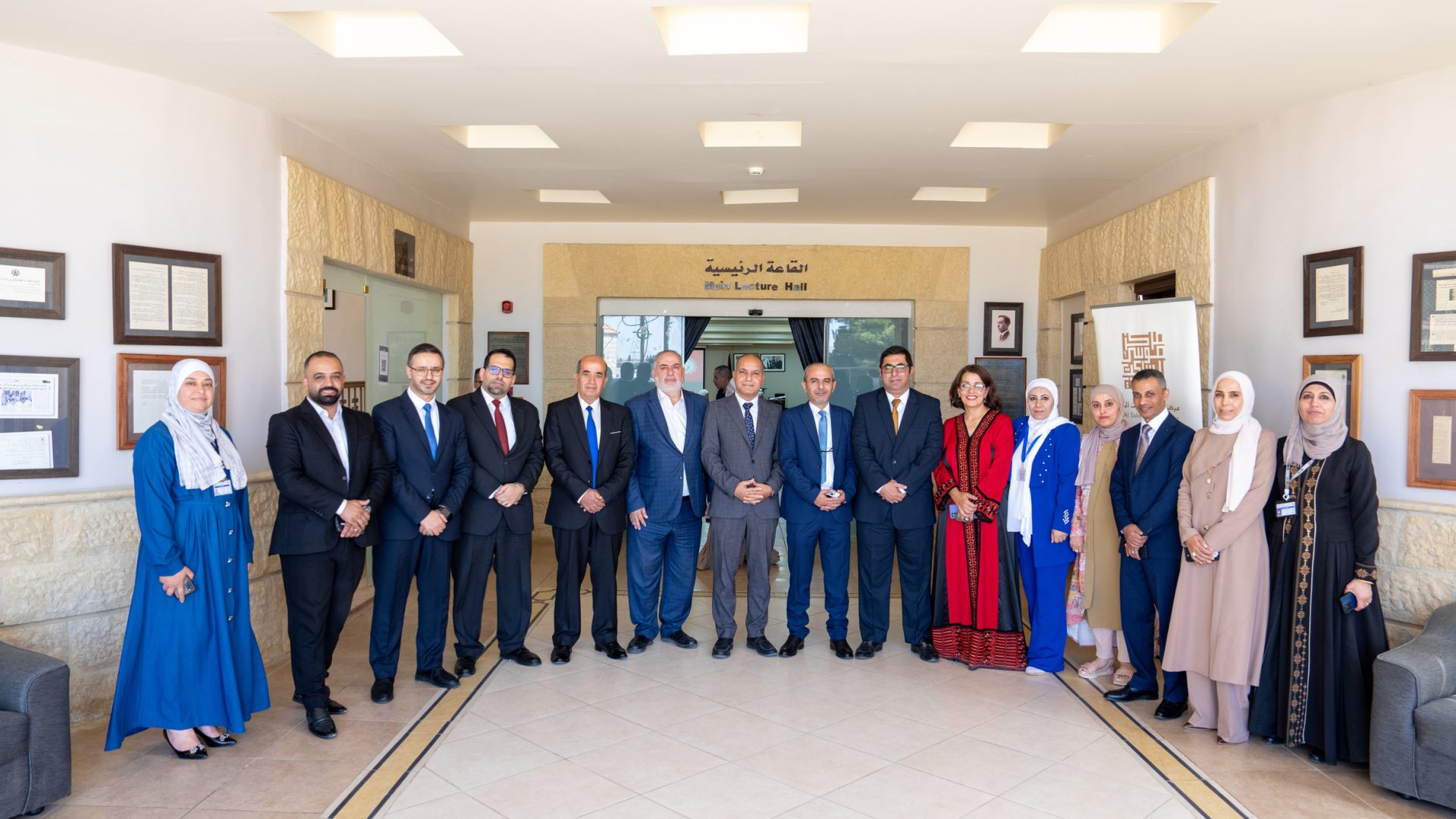
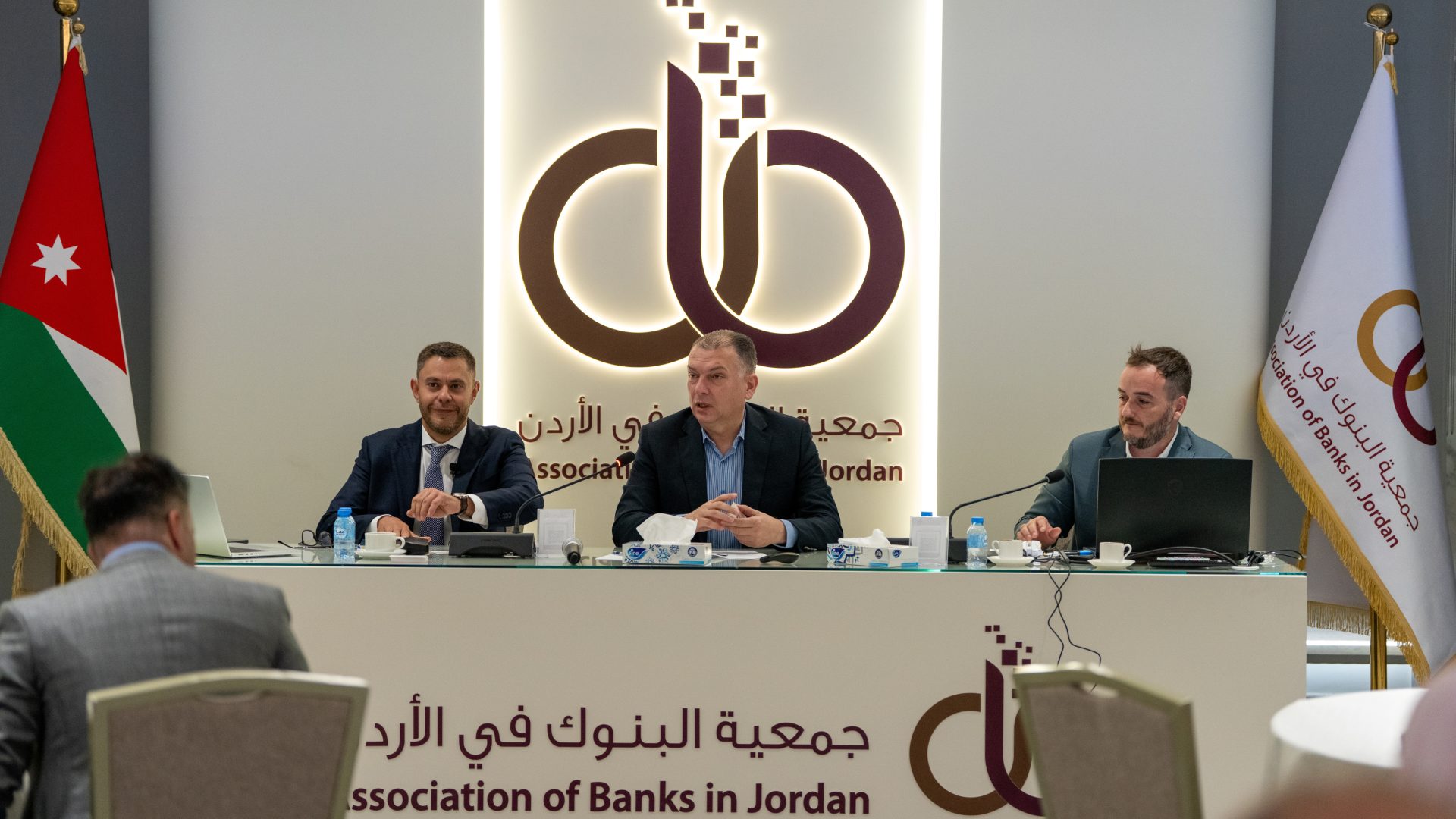
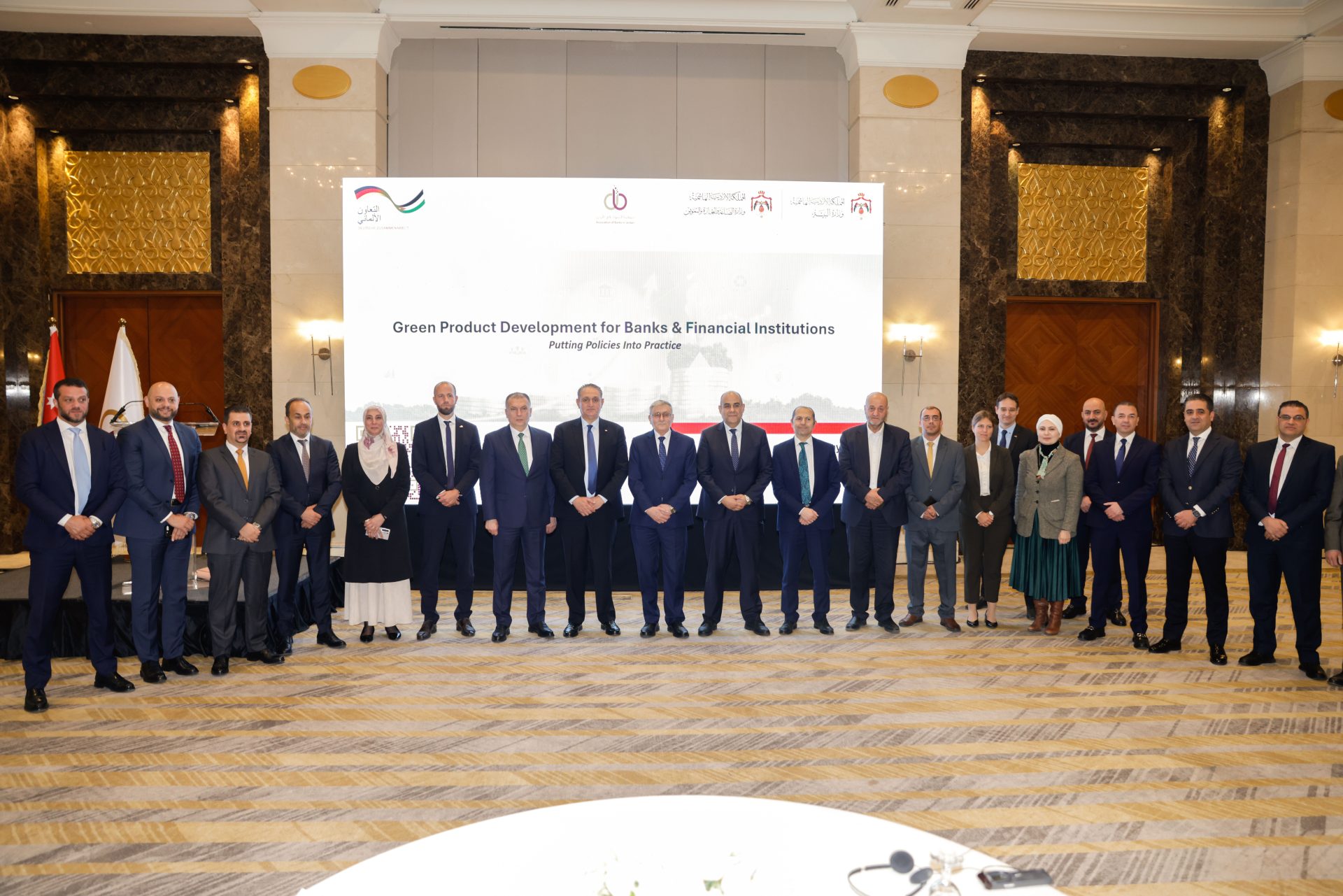
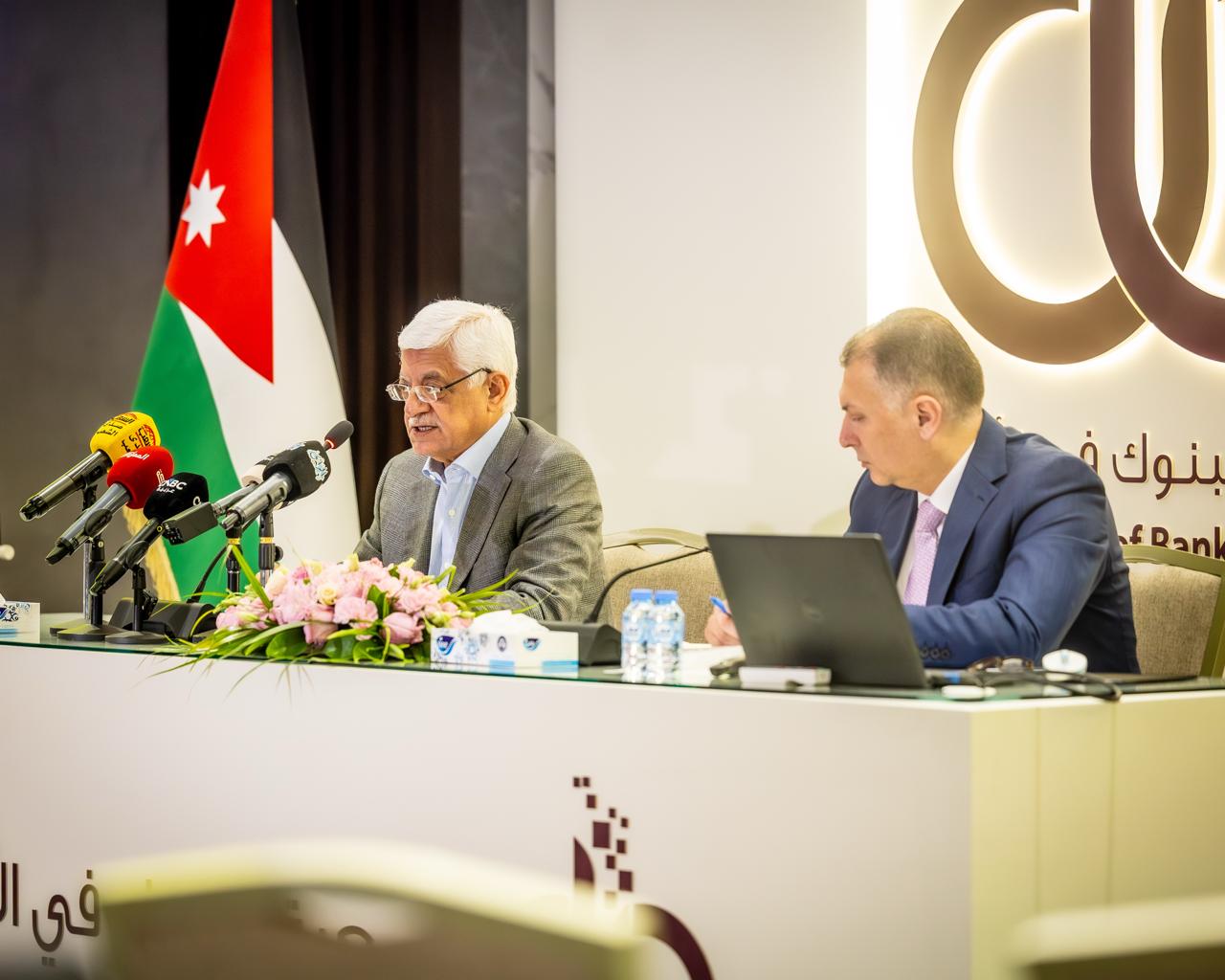
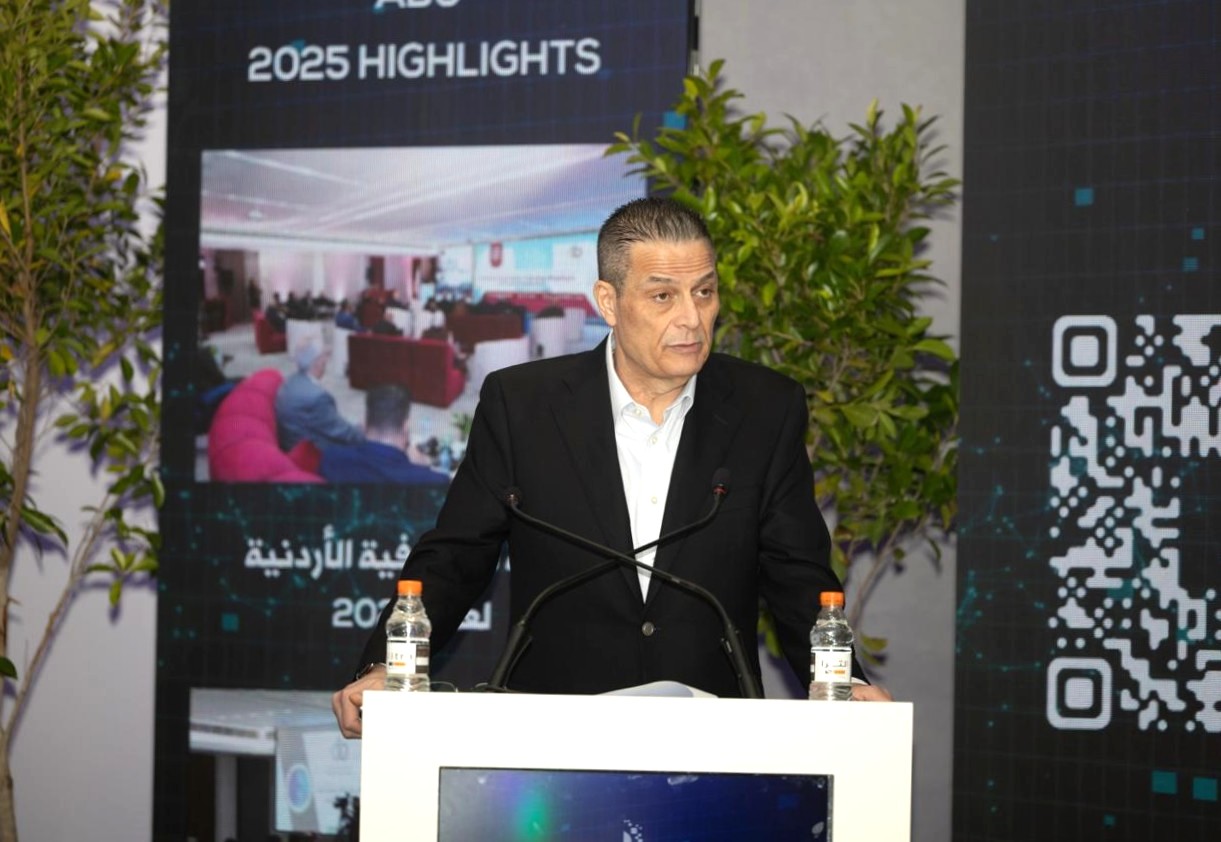
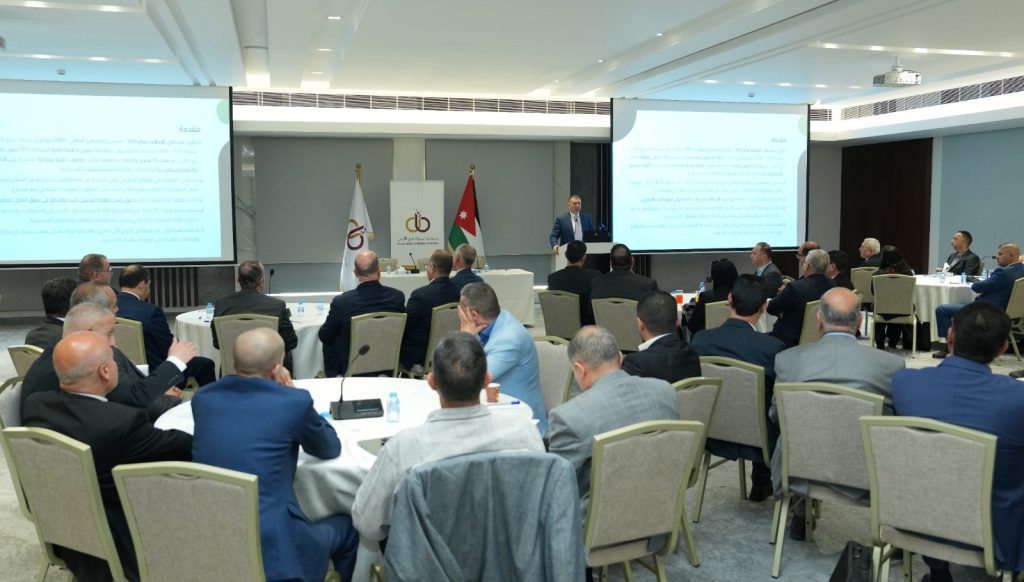
The Association of Banks held an extensive dialogue session on Wednesday, at its headquarters to discuss the current state of the labor market in the banking sector and explore mechanisms for bridging the gap between employment requirements and higher education outcomes. The session was attended by a broad group of deans from faculties of business, economics, and management at Jordanian universities, alongside banking experts and professionals.
Deputy Governor of the Central Bank, Dr. Khaldoun Al-Weshah, emphasized the urgent need to develop university graduates’ skills to meet the requirements of the financial and banking sector. He stressed the importance of linking academic curricula with practical applications through specialized laboratories within universities, creating real training environments that enable students to engage with actual financial and banking systems.
He noted that the Central Bank has signed multiple cooperation agreements with local universities and runs advanced training programs covering various related disciplines. He highlighted that the scale of training provided by the Central Bank “exceeds what some might imagine” and reaffirmed the Bank’s openness to expanding cooperation with universities, including the exchange of expertise and systems.
Al-Weshah added that the private sector can play a vital role in supporting the establishment of such laboratories by donating systems or tools that help bridge the gap between academic learning and practical implementation. He underlined the pressing need for education outcomes to match market expectations, stressing that Jordan’s academic rankings should reflect this dimension, and that improving a university’s ranking should be linked to its ability to graduate work-ready students rather than focusing solely on formal criteria.
He also pointed to the importance of a clear regulatory framework to govern the relationship between the financial sector and academic institutions—one that safeguards the rights of all parties and ensures that education policies are aligned with national economic priorities. Al-Weshah concluded by reaffirming the Central Bank’s commitment, as the Kingdom’s foremost financial institution, to investing in human capital and supporting any genuine initiative that helps bridge the gap between education and employment, particularly in the banking sector, which is a pillar of Jordan’s economy.
President of the Accreditation and Quality Assurance Commission for Higher Education Institutions, Dr. Dhafer Al-Sarayrah, stated that the Commission has approved a package of development measures aimed at aligning the outcomes of faculties of business, economics, finance, and management with labor market needs. This comes in light of a growing skills gap between graduates and the requirements of productive and service sectors, particularly banking.
Al-Sarayrah explained that a short- and medium-term implementation plan will be launched starting in the 2025/2026 academic year, noting that this meeting is part of a series of specialized sessions to evaluate academic programs in light of global rankings and employment requirements.
Al-Sarayrah continued: “We are presented with a genuine opportunity to bring together the two wings of the educational process—academic and practical—in direct dialogue aimed at developing business school programs, drawing on the expertise of those working in the labor market, and integrating them into curriculum design and outcome evaluation. This will contribute to enhancing graduates’ employability and developing their practical capabilities.”
He noted that there are currently 139 bachelor’s degree programs in business, economics, and management across Jordanian universities. A significant proportion of these programs still rely on traditional teaching models that do not align with modern educational trends, in contrast to international universities that increasingly integrate theoretical and practical learning and place greater emphasis on digital and analytical skills.
He added that several Jordanian universities have applied to modify the titles and orientations of their academic programs to align more closely with emerging fields such as Business Intelligence, FinTech, and Data Analytics. This effort is part of a broader modernization push. He stressed the importance of maintaining flexibility in academic plans without undermining the core essence of each discipline, while allowing for the introduction of new courses that meet market needs—such as Artificial Intelligence for Business, data-driven marketing, and machine learning.
He noted that the Commission’s plan consists of three main pillars, the first of which is curricula development. This will include the introduction of new courses focusing on artificial intelligence, cybersecurity, and data analytics, drawing on models from universities such as the London Business School and University College London. Universities will also adopt supplementary curriculum documents clearly outlining the targeted skills and the proportion of practical components in each program.
He added that applied projects will be incorporated into every program, involving hands-on fieldwork with companies and institutions, alongside the implementation of structured internship plans under the dual studies model, which allocates 40–50% of a student’s time to working within labor market institutions.
The second pillar concerns the quality of outcomes and the learning environment. Al-Sarayrah explained that the Commission will establish a dedicated platform to track the employability reputation of academic programs through feedback from employers, in addition to creating an alumni tracking platform to measure graduate employment rates.
He noted that the measures include engaging the private sector in program reviews, adopting project-based learning (PBL) models, supporting laboratories and digital learning platforms, and developing a Jordanian academic program ranking system to be completed in the first quarter of 2026. This ranking will later serve as an official reference when requesting program licensing or accreditation.
The third pillar relates to academic staff and students. Dr. Al-Sarayrah stressed the importance of faculty development, encouraging them to participate in specialized training courses and providing scholarship plans for study at international universities. He noted that the Commission will encourage universities to involve private-sector experts in teaching despite the challenges posed by the pay gap between academia and industry. Micro-credentials will be incorporated into graduation requirements, with the possibility of counting them toward academic course credits if they meet the Commission’s standards.
On academic ranking and reputation data, he pointed out that several Jordanian programs have been ranked among the top 200–800 globally according to Times and QS rankings. The Commission focuses on key ranking criteria such as teaching quality, academic reputation, faculty competence, facilities, research output, academic citations, and employment rates.
He added that Jordanian universities regularly appearing in global rankings for business and economics disciplines include the University of Jordan (UJ), Hashemite University (HU), Applied Science University, the American University, Al-Zaytoonah University, Yarmouk University, Middle East University, among others.
Al-Sarayrah praised the role of the Association of Banks in preparing a comprehensive analytical study on skills gaps among business graduates, based on actual evaluations from recruitment managers in local banks.
He also encouraged Jordanian universities to apply for prestigious international accreditations such as AACSB and EFMD, despite their rigor and the years of preparation they require.
He said: “Specialized rankings have become an internationally recognized benchmark, formally required by Gulf employers and cultural attachés.” He urged universities to take this standard seriously in developing their programs and achieving internationally recognized levels of academic excellence.
Dr. Al-Sarayrah confirmed that the Commission will begin implementing these measures starting in the 2025/2026 academic year. Accreditation and admission decisions will be tied to several criteria, including employment rates, subject-specific reputation, graduate performance in the labor market, and the extent to which universities respond to private-sector recommendations.
He added that the new curricula will be approved before September 28 of next year and will be applied to incoming students in the same academic year.
For his part, Dr. Maher Al-Mahrouq, Director General of the Association of Banks in Jordan, stated that the banking sector in Jordan is undergoing profound operational and employment transformations due to rapid technological advances and global shifts toward the digital economy. He emphasized that Jordanian banks are moving rapidly toward strengthening technical and analytical roles at the expense of traditional operational positions.
Presenting the findings of a study conducted by the Association in May 2024, Al-Mahrouq explained that global labor market changes directly impact employment in Jordan’s banking sector. He cited the World Economic Forum’s Future of Jobs 2025 report, which projects the creation of 170 million new jobs worldwide alongside the loss of 92 million jobs—a net gain of 78 million—most requiring advanced technical skills and a strong capacity for adaptability and continuous learning.
Al-Mahrouq stressed that these changes necessitate rethinking recruitment models and training plans to ensure new graduates are job-ready, particularly given the persistent skills gap between university outputs and the needs of banks.
He affirmed that the Jordanian banking sector is better positioned than other economic sectors to lead digital transformation due to its high investment capacity and close alignment with international regulations and standards. He noted that Jordanian banks are committed to implementing governance, anti-money laundering, and financial compliance requirements, all of which demand technically and administratively qualified personnel.
“If digital transformation takes place in Jordan, the banking sector will be at the forefront,” he said, pointing to statistics showing that women make up more than 35% of the banking workforce, more than double the national average of 15%.
Regarding 2024 employment data, the study—which covered 20 out of the 24 banks operating in Jordan—found that total employment reached 22,996 by year-end: 14,827 men (64.5%) and 8,169 women (35.5%). It also showed that 1,283 recent graduates were hired in 2024, representing around 49% of new appointments (526 women and 795 men).
Al-Mahrouq noted that about half of last year’s new hires had no prior professional experience, underscoring the sector’s reliance on fresh graduates for branch operations and entry-level roles such as teller, customer service, and reception.
As for the most common positions for new graduates in 2024, the study showed that they were primarily employed in branch and customer service roles, technical and IT support, analytical and audit positions, and specialized operations and transfers.
He explained that while operational roles continue to see high demand, particularly at the entry level, they increasingly require continuous professional development. By contrast, data analysis and IT positions are seeing growing demand, driven by digital transformation and cybersecurity challenges.
Looking ahead, the study classified banks’ future hiring needs into five categories: operational roles, data analysis, IT, governance and compliance, and direct sales. Al-Mahrouq emphasized that banks are showing a strong preference for hiring graduates from technical fields—particularly in artificial intelligence, data management, and financial analytics. He highlighted that the findings carry clear recommendations for Jordanian universities to strengthen their programs in these areas and incorporate applied skills through minors in traditional programs.
He concluded that, while the study does not claim to be exhaustive, it represents an important reference point for education policymakers in Jordan and provides effective guidance for universities to modernize programs, strengthen the skills demanded by the banking labor market, and keep pace with technological change and digital transformation.
Meanwhile, Dr. Riyad Al-Hindawi, Director General of the Institute of Banking Studies, stressed that the Institute serves as the training arm of the Central Bank of Jordan and is one of the key institutional pillars for preparing human capital in the financial and banking sector. He explained that the Institute operates as a direct partnership between the Central Bank and the banking sector and is chaired by H.E. Mohammad Al-Bakr.
Dr. Al-Hindawi added that the Institute was established under Article 37/D of the Central Bank of Jordan Law and Internal Regulation No. 69 of 1970. It began its official operations on October 9, 1971, with its headquarters located in Amman and branches in Irbid and Aqaba, in addition to fully equipped training halls at multiple sites.
He noted that more than 140,000 trainees have participated in the Institute’s programs over the years, including both banking and financial sector employees as well as recent graduates.
In 2019, the Institute obtained international accreditation from the Accrediting Council for Continuing Education and Training (ACCET) in the United States—becoming the first Jordanian training institution to earn this recognition and only the second banking institute in the Arab world to do so. The accreditation was successfully renewed in 2025 for an additional five years, underscoring the Institute’s commitment to global standards in training and capacity building.
Al-Hindawi explained that training at the Institute follows a strict system to ensure quality, starting from trainee enrollment through program completion, with clear evaluation tests and advanced applied content. “We do not offer purely theoretical training,” he said, “but focus on practical readiness, as the banking sector expects our graduates to be fully prepared to begin work immediately.”
He emphasized that all trainers at the Institute come from the banking and financial sector itself, rather than from traditional academic backgrounds, which gives the training a realistic character directly aligned with skills required in actual banking environments.
Al-Hindawi also highlighted that the Institute offers an accredited Master’s Program in Banking and Finance, in cooperation with the Ministry of Higher Education and Scientific Research. This program, formally recognized since 2002, aims to raise the academic and professional level of bank employees holding bachelor’s degrees by combining theoretical knowledge with practical expertise using modern teaching methods.
He further pointed out that the Institute operates the Jordanian FinTech Academy, which provides advanced programs in digital transformation, cybersecurity, data analytics, artificial intelligence, and blockchain applications. This initiative, carried out under a strategic partnership, seeks to build a new generation of specialists in financial technology and banking innovation.
He emphasized that these programs are part of a comprehensive national plan to support digital transformation in the financial sector and strengthen the readiness of financial institutions to address cybersecurity threats and market changes.
For his part, Abdallah Al Twaiqat, Chief Information Officer at the Jordan Payments and Clearing Company (JOPACC), stated that fresh graduates of business and economics faculties are in urgent need of acquiring specialized technical skills that keep pace with transformations in the financial sector. He noted that the rapid digitization of Jordan’s banking system makes it essential to bridge the gap between educational outcomes and labor market realities.
Al-Twaiqat explained: “Every banking function today—from treasury to auditing and risk management—operates through programming codes, APIs, and real-time data.” He stressed that graduates who are not proficient in these tools will not be qualified to engage with the modern financial system, which now relies entirely on digital solutions.
He highlighted JOPACC’s practical proposal of adding only nine classroom hours to the curricula of students in their final university year. These hours would cover the fundamentals of modern financial technologies without requiring radical changes to existing academic programs.
Al-Twaiqat underscored: “Students who can speak the language of technology—what we call ‘Speak Tech’—are those capable of transforming financial systems and regulations into applicable digital tools. They can detect fraud swiftly, understand the mechanics of instant payment platforms, and even turn innovations like central bank digital currencies (CBDCs) into competitive advantages for banks.”
He added that such skills would enable graduates to enter the banking labor market effectively and collaborate with system engineers, software developers, and financial analysts, rather than standing on the sidelines.
The proposed training materials, he noted, should cover a wide range of topics, including: payment systems infrastructure, cybersecurity, core banking systems, data management and analytics, digital channels, digital financial product development, lending tools, and crowdfunding—alongside emerging concepts such as embedded finance and ESG (Environmental, Social, and Governance) standards.
Al-Twaiqat stressed that these concepts must be delivered in simple, focused modules, designed in collaboration between universities, banking sector experts, fintech companies, and e-payment providers.
The plan also includes training university faculty on modern concepts through specialized workshops and involving banking experts in teaching. He called for graduation projects to be linked to real challenges facing the banking sector, jointly supervised by academia and industry.
He clarified that the proposal is not limited to technical concepts alone but also aims to build professional workplace skills, such as business email writing, formal documentation, professional use of artificial intelligence, and digital ethics.
Al-Twaiqat pointed out that many financial institutions in Jordan are increasingly relying on advanced technologies such as blockchain, decentralized finance (DeFi), big data, and artificial intelligence for risk assessment and credit analysis. This requires graduates to master tools such as smart contract analysis, digital credit scoring, decentralized lending platforms, and counterparty risk management.
Meanwhile, Amira Qarqash, Digital Skills Development Manager at the Ministry of Digital Economy and Entrepreneurship, emphasized that modern approaches to developing the competencies of Jordanian students are now more comprehensive and better aligned with labor market demands—particularly in the banking and technology sectors. She affirmed that the government is working to create a flexible, well-supported education system that directly connects graduates with job opportunities and advanced digital skills.
Qarqash explained that the findings presented during the session are highly consistent with a broader survey currently being conducted by the Ministry in cooperation with the Int@j Association on partnerships between the business sector and higher education. She pointed to clear intersections between the needs of the banking sector and those of the technology sector.
She added that the Ministry has active MoUs with 21 Jordanian universities, covering engineering, IT, and business faculties, to integrate digital skills into academic curricula and enhance students’ readiness for the labor market. This initiative, she noted, enjoys direct support from the Accreditation and Quality Assurance Commission for Higher Education Institutions, which has issued explicit instructions requiring universities to align educational outcomes with market demands.
Qarqush stressed that these efforts fall under the framework of the Youth, Technology, and Jobs Project, implemented by the Ministry with World Bank support and in partnership with the Digital Skills Association. The program provides incentives for students—particularly those in business schools—to obtain advanced professional certifications in technology, with full cost coverage. Even if such certifications are not initially on the official approved list, they can be submitted to the Commission for review, accreditation, and funding.
She concluded that the specialized professional program, implemented in partnership with Injaz and Int@j, not only supports training but also secures post-graduation job opportunities. She confirmed that a monitoring system is in place to track graduates’ ability to achieve sustainable income, whether through traditional employment, freelancing, or entrepreneurship.