


Al-Mahrouq: The Strategic Banking Dialogues initiative represents a sustainable approach to convening specialized forums on compliance, risk, operations, digitalization, sustainability, auditing, and various banking functions.
Amman – In line with the directives of the Board of Directors of the Association of Banks in Jordan to intensify efforts aimed at increasing knowledge and experience sharing, strengthening strategic thinking among senior executive leadership in the banking sector, and equipping them with clear and comprehensive insights into the most significant global developments and best practices in the banking industry, the Association launched a pioneering initiative entitled “Strategic Banking Dialogues (C-Suite Banking Dialogues).”
This initiative comes at a pivotal moment in which the global banking sector is undergoing rapid transformations related to digital transformation, growing demands for governance and transparency, rising importance of sustainability and social responsibility, as well as the increasing risks associated with technology, financial crimes, and international sanctions. Accordingly, providing a high-level dialogue platform targeting first-tier banking leaders is a strategic investment in building their capacities, enabling them to anticipate challenges, and formulating more effective future directions.
The initiative aims to create an open dialogue environment that brings together bank executives and decision-makers with regional and international experts, allowing for deep exchanges of visions and ideas on strategic banking issues. It also seeks to strengthen coordination among banks and unify visions and policies in addressing shared challenges, thereby enhancing the strength and resilience of the national banking sector. In addition, the initiative aspires to bridge the gap between local expertise and global practices by hosting distinguished international experts, enriching dialogue, and granting Jordanian banking leaders the opportunity to directly learn from successful experiences and their practical applications.
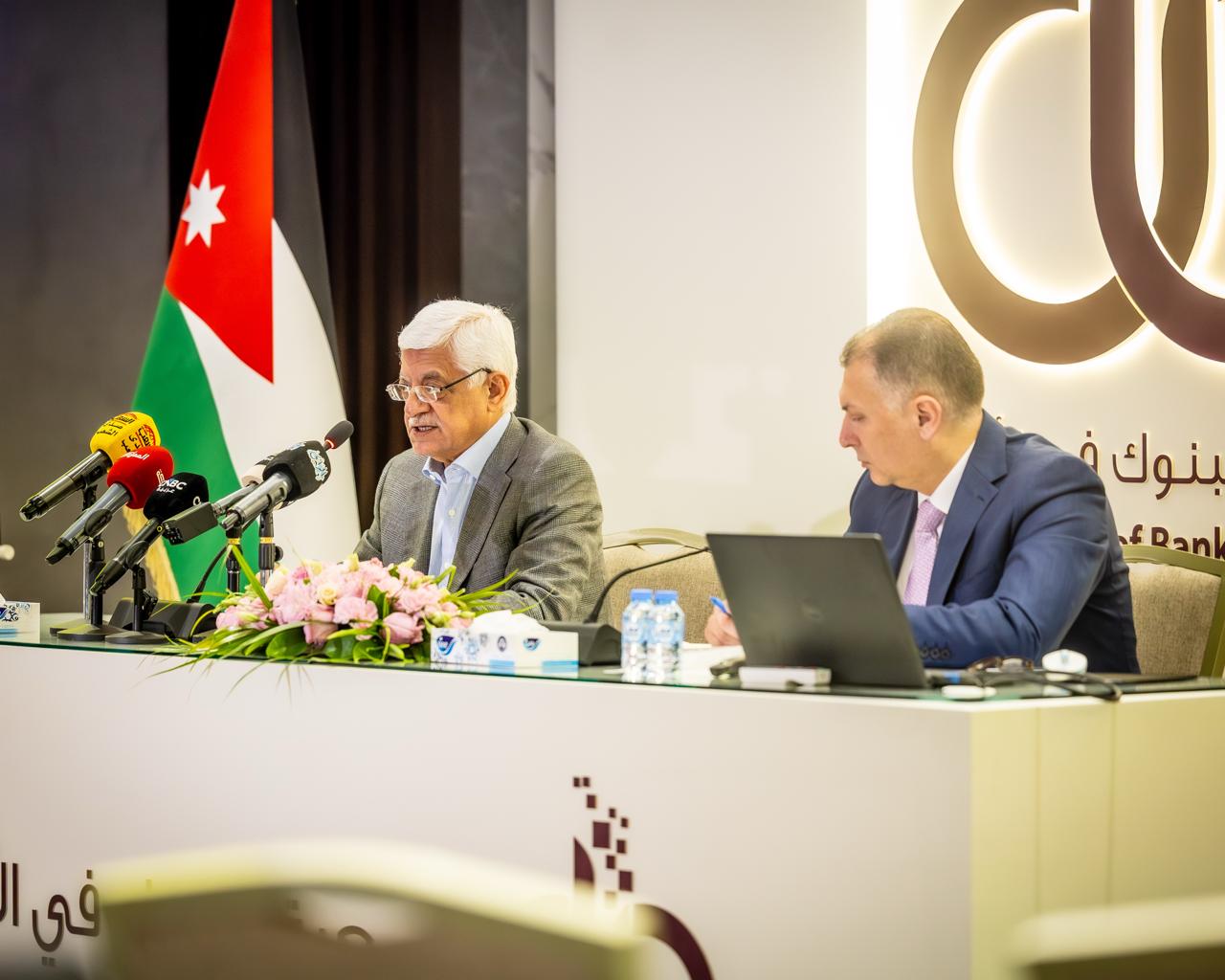
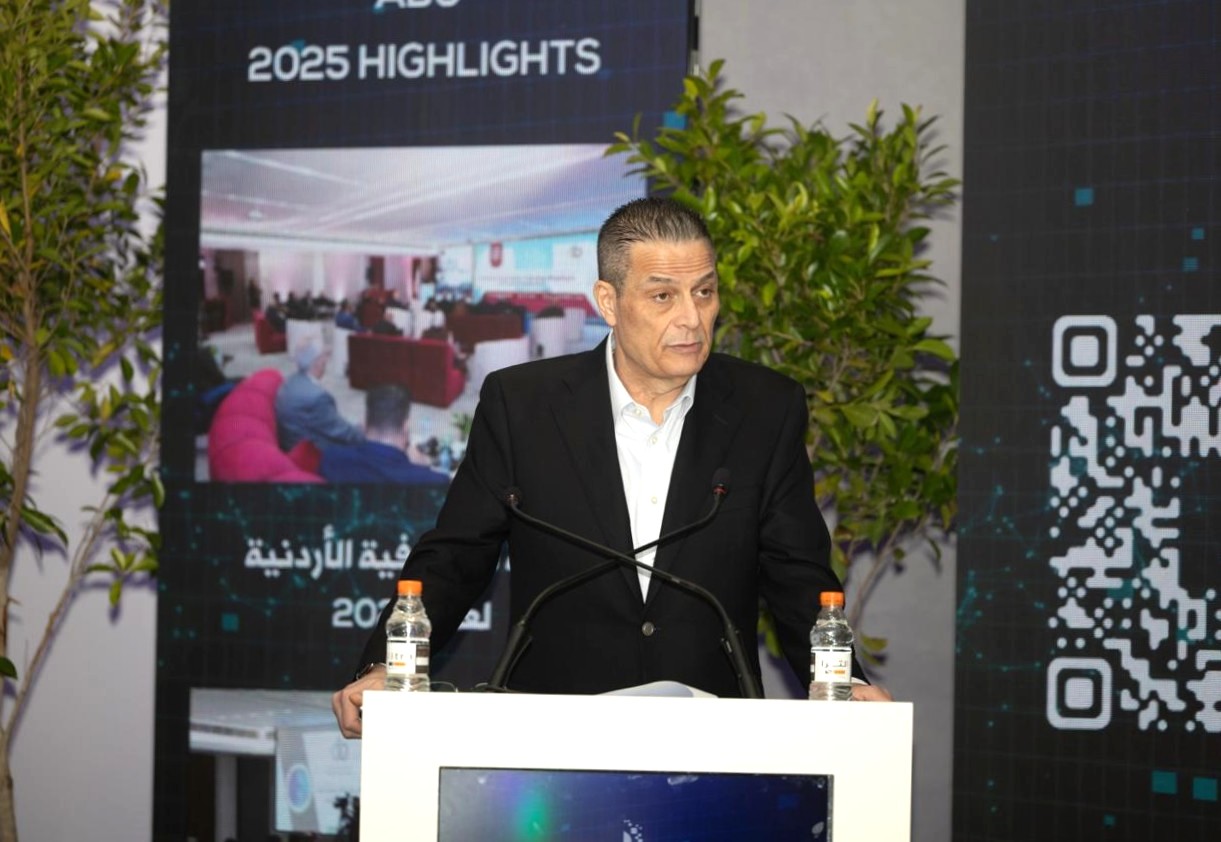
Regarding the significance of the initiative, Dr. Maher Al-Mahrouq, Director General of the Association of Banks, stated: “The Strategic Banking Dialogues are not merely intellectual meetings, but rather a forward-looking tool for the future directions and developments of the global banking industry. They contribute to strengthening the readiness of executive leadership in banks to deal with transformations in the global banking sector, support the sustainability of the Jordanian banking sector, and reinforce its role in fostering national economic growth.” He added that this initiative will pave the way for specialized forums in various areas of banking such as risk, compliance, digital transformation, sustainability, auditing, and operations.
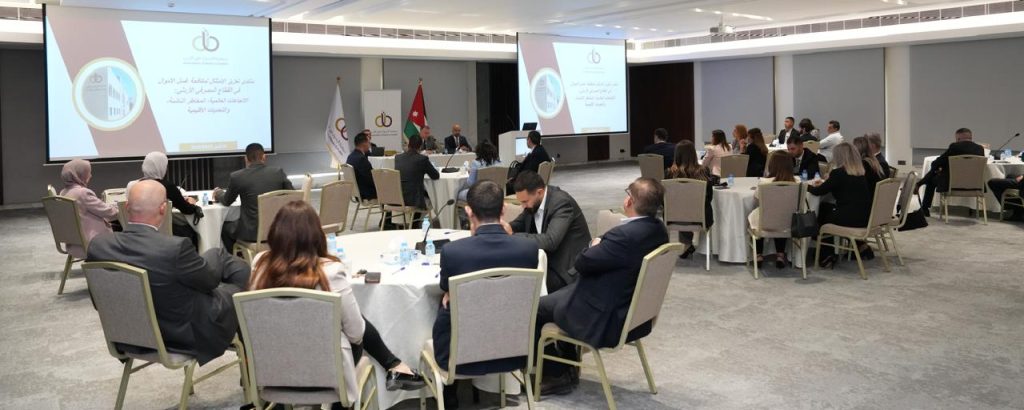
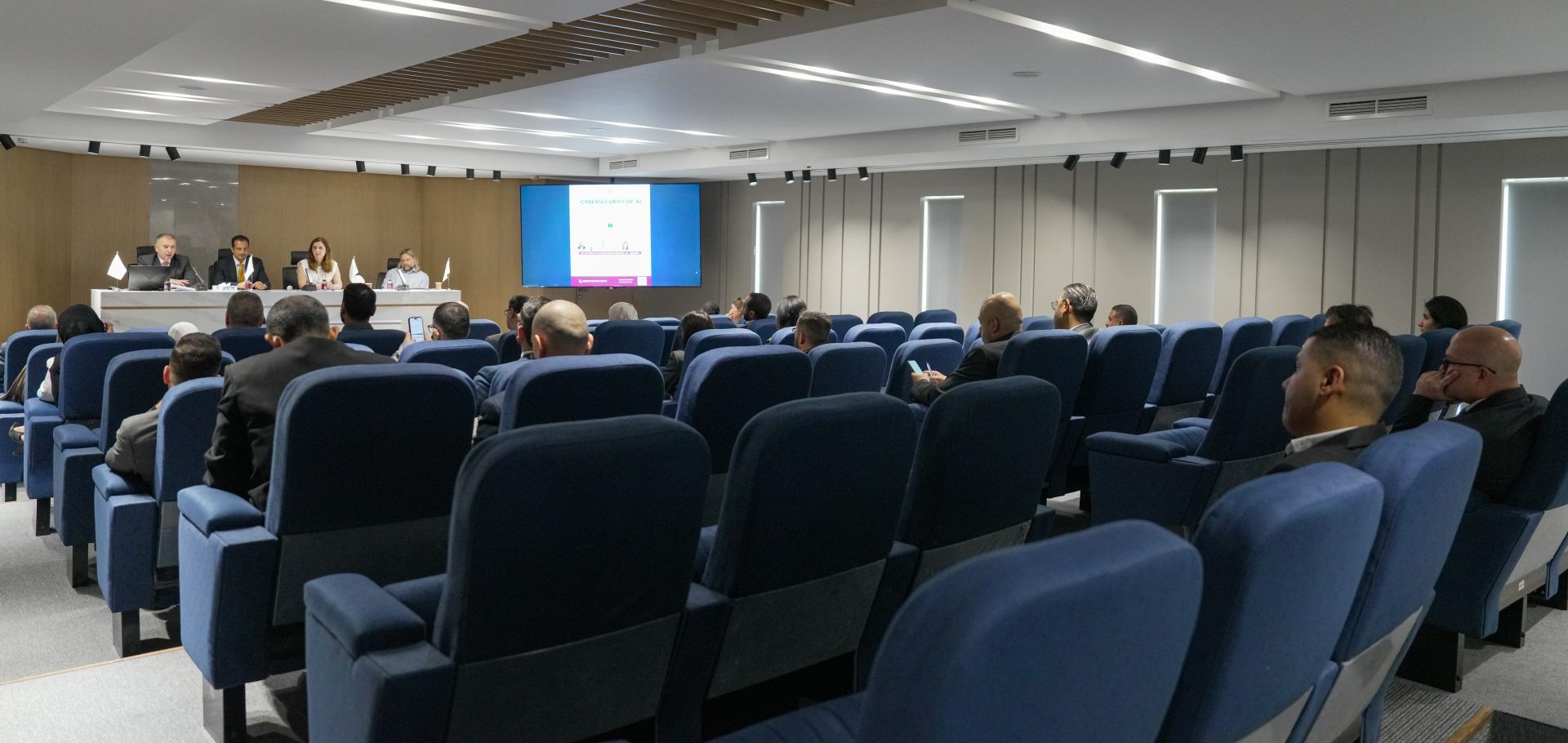
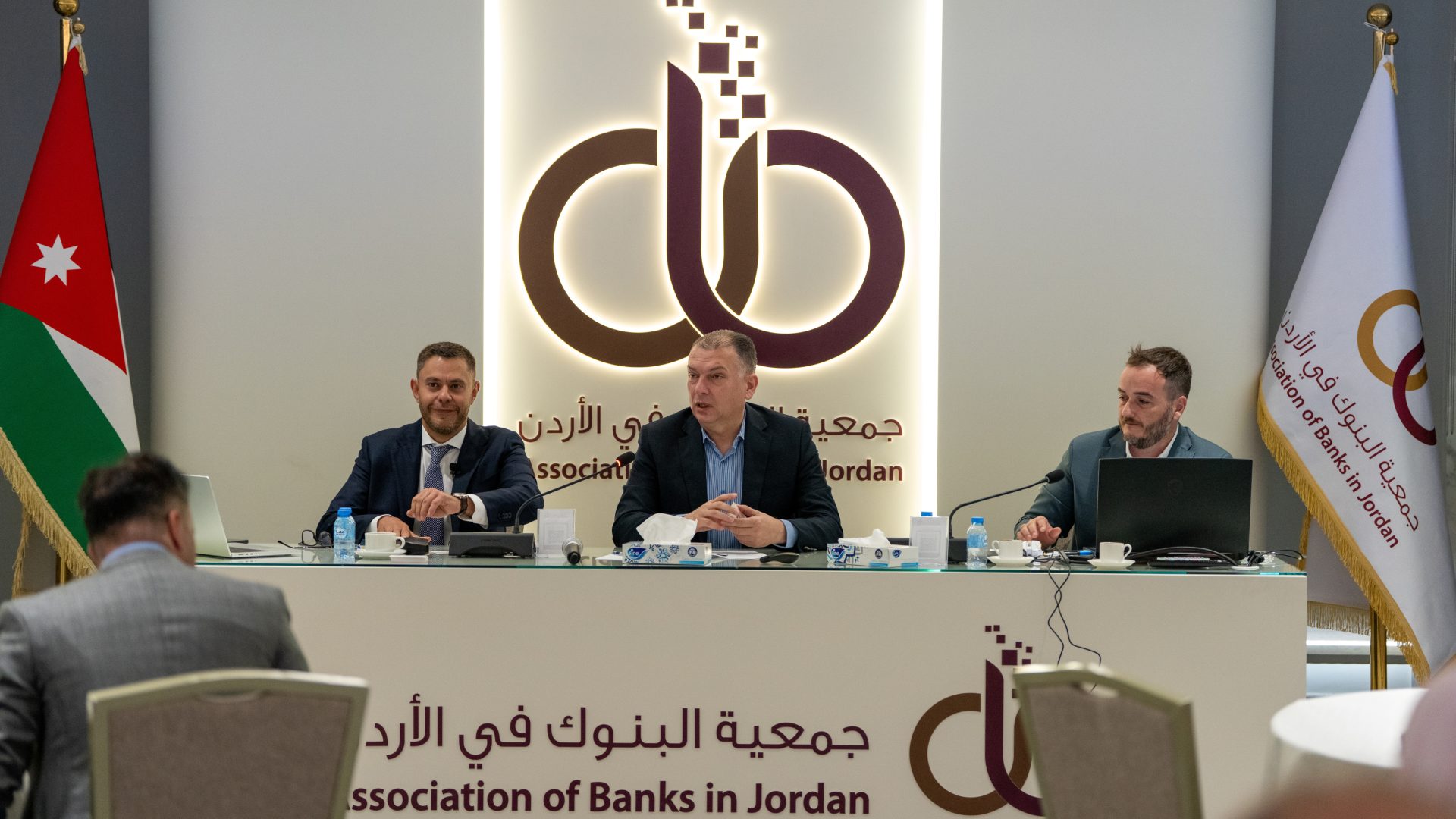
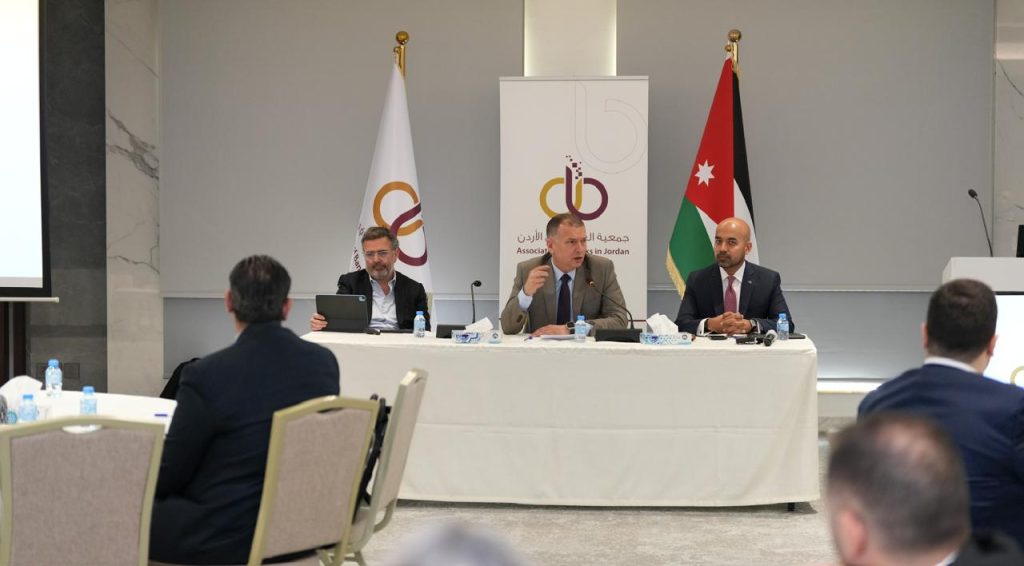
As part of this initiative, the Association held the first specialized forum for compliance officers in banks (CCOs Forum) in cooperation with Citi Bank, under the title “Enhancing AML Compliance in the Jordanian Banking Sector: Global Trends, Emerging Risks, and Regional Challenges.” The forum was attended by compliance and AML officers from banks, as well as representatives from the Central Bank of Jordan and the Anti-Money Laundering and Counter-Terrorist Financing Unit. The full-day forum included two main sessions.
The Compliance Officers Forum (CCOs Forum): A Strong Beginning for the Initiative
In his opening remarks, Dr. Al-Mahrouq said that the Compliance Officers Forum marks the first in a series of forums the Association will convene under the Strategic Banking Dialogues initiative. He added that this forum will be followed by other specialized forums dedicated to different executive functions in banks, such as risk, credit, operations, IT, digitalization, sustainability, human resources, and finance.
He emphasized that the timing of this Compliance Officers Forum is crucial, as the regional and global banking sectors are witnessing profound and rapid transformations that require continuous adaptation and capacity building in various fields. He added: “Today’s discussions will contribute to formulating practical recommendations that strengthen compliance, enhance the resilience of our banking sector, and consolidate Jordan’s position as a trusted regional financial hub.”
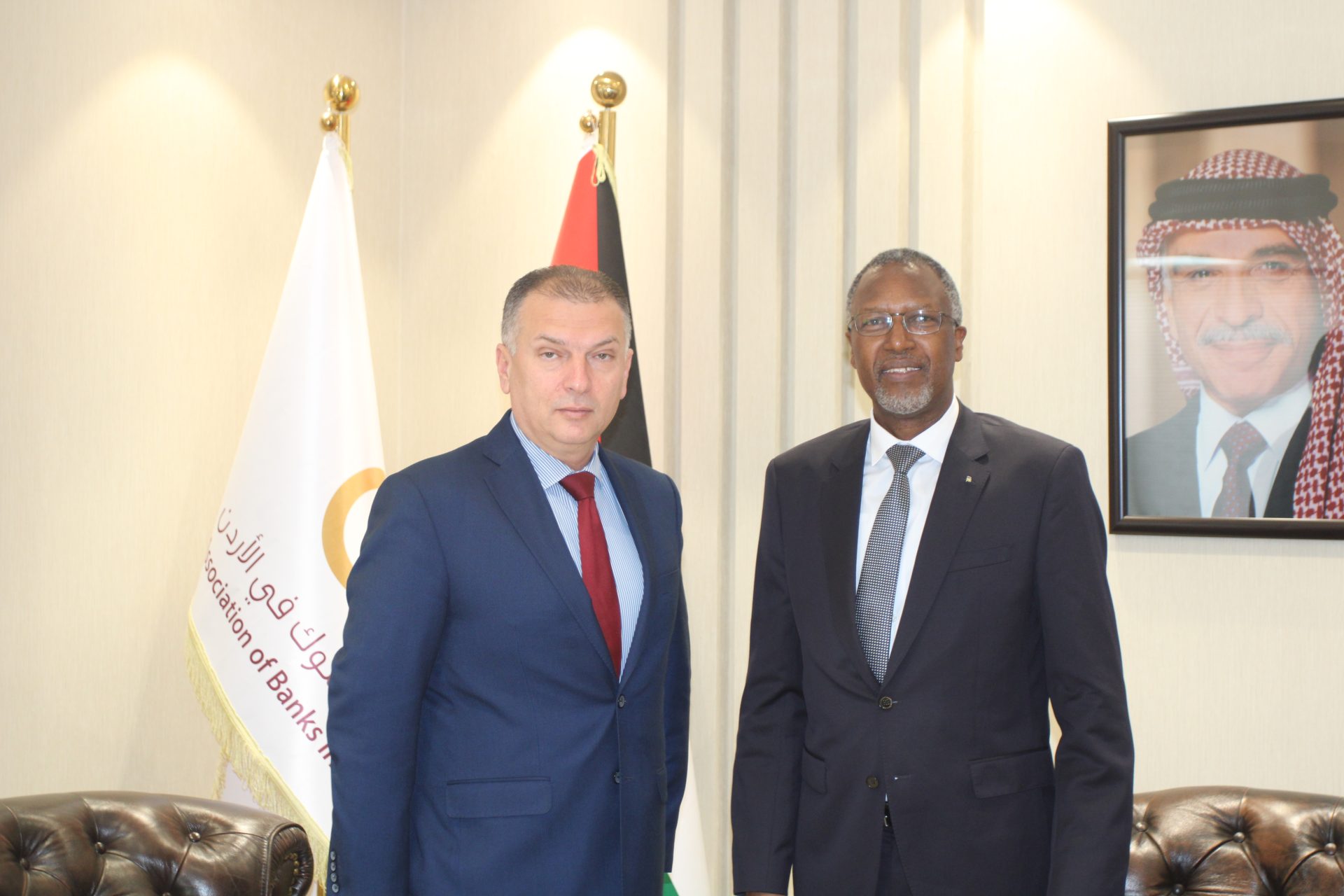
Dr. Al-Mahrouq extended his deep appreciation to Citi and its Regional Director in Jordan, Noor Jarar, for their distinguished cooperation with the Association in organizing the forum. He also thanked the experts and speakers for their valuable contributions, as well as all participants from member banks, the Central Bank of Jordan, and the Anti-Money Laundering Unit for their presence and engagement.
First Session: Global Insights on Emerging AML Risks
The first session of the forum addressed global perspectives on emerging risks and featured expert Anthony Fenwick, Global Head of AML Compliance Risk Management at Citi. The session covered key topics, most notably:
The session also explored related topics such as the latest financial crime trends, emerging risks, compliance priorities for 2025, practices in banks, financial crime risks in banks, non-banking financial institutions, and money transfer companies, and building robust AML frameworks using modern technologies.
Furthermore, the session highlighted the importance of adopting global frameworks in addressing new challenges in AML and CFT, by reviewing international banking experiences and regulatory approaches regarding digital currencies, nesting, and sanctions. Mr. Fenwick stressed the necessity of building proactive strategies based on modern technology and advanced risk analytics to enhance financial institutions’ ability to comply effectively and protect banking systems from illicit exploitation.
Second Session: Regional Compliance in the Middle East and Africa
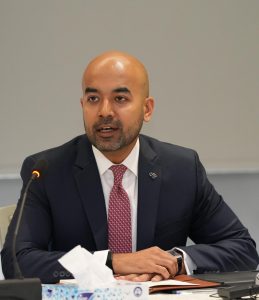
The second session focused on AML/CFT in the Middle East and Africa, risk-based compliance, and post-grey-list challenges. The session was delivered by expert Siddiq Khawaja, Head of AML for the Middle East and Africa at Citi. Key topics included the global AML/CFT framework, the risk-based approach and customer due diligence procedures, suspicious transaction reporting and red flags, prominent AML and CFT patterns in the region, and the challenges faced by countries after exiting the FATF grey list and sustaining compliance.
The session also highlighted regional specificities in compliance issues in the Middle East and Africa, including the heavy reliance on cash and informal transfer networks (hawala), as well as the challenges posed by overlapping borders and geopolitical conflicts. It was emphasized that sustainability in the post-grey-list phase requires strong political commitment, continuous regulatory reforms, and the support of technological innovation such as artificial intelligence and advanced analytics to ensure early detection of suspicious patterns and strengthen financial integrity in the region.