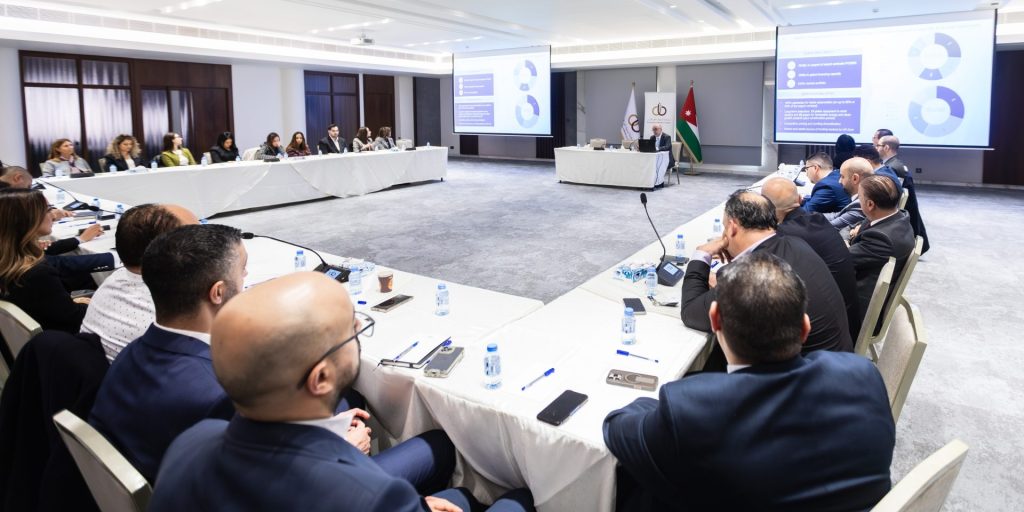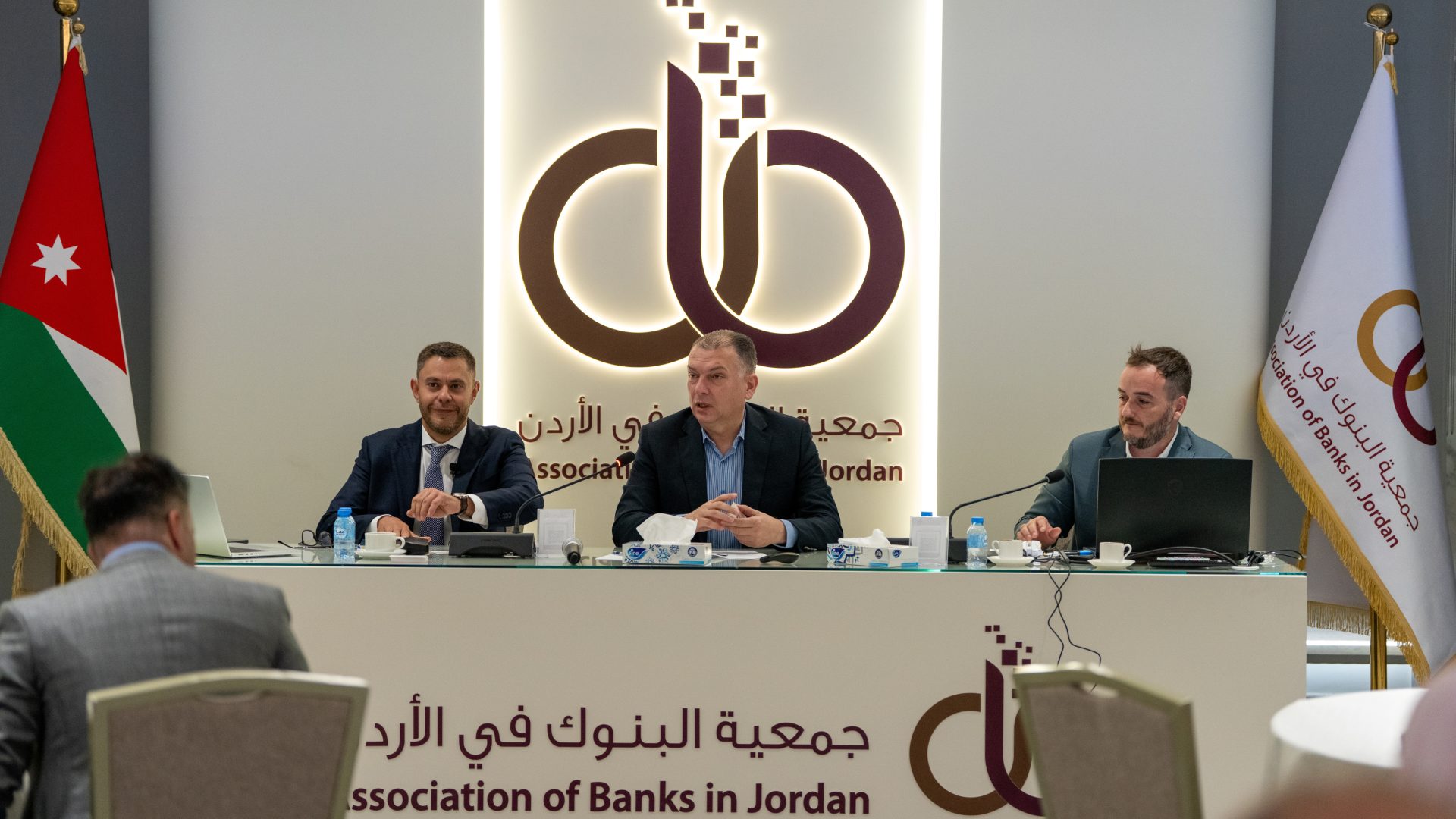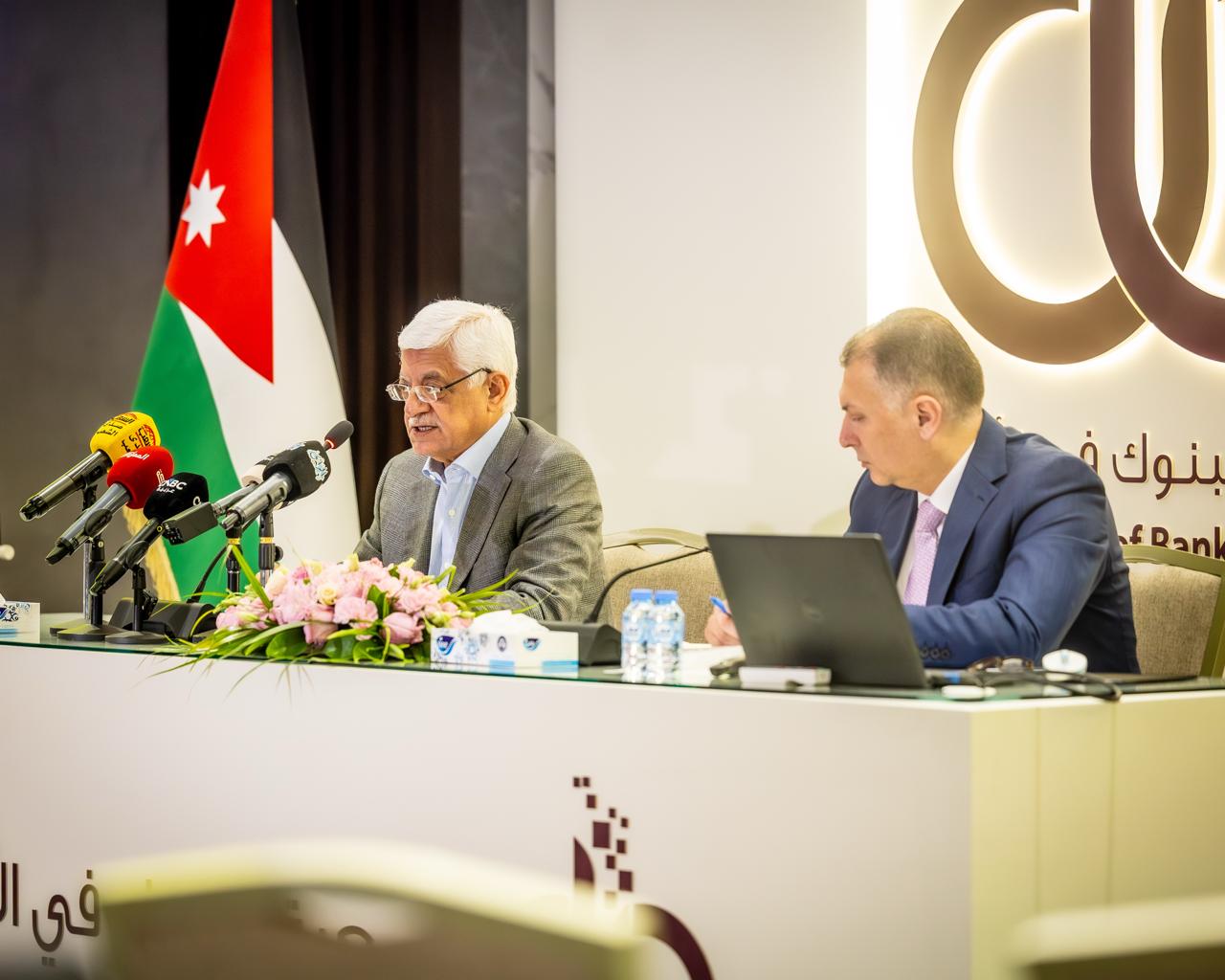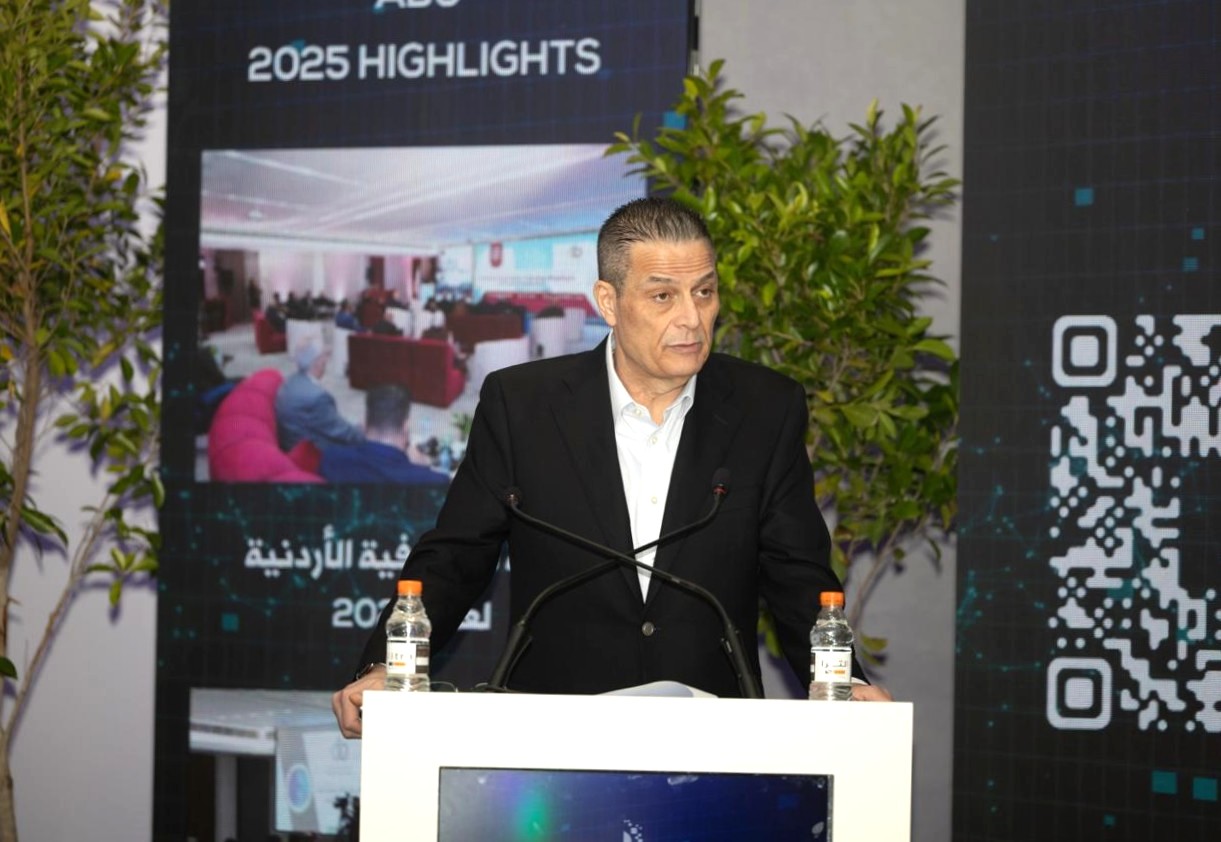



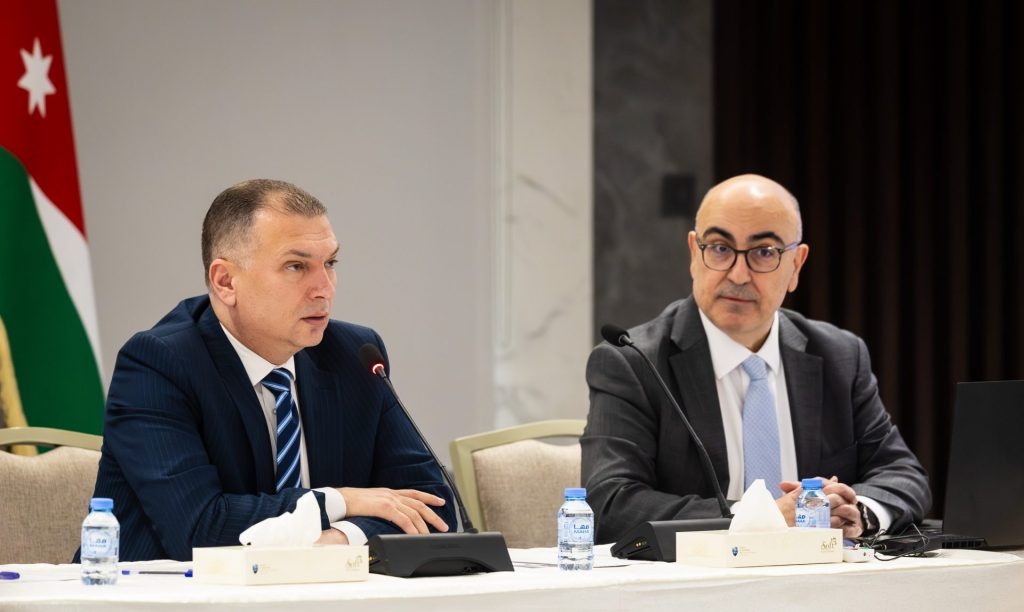
On Monday, 1 December, the Association of Banks in Jordan held an introductory meeting with UK Export Finance (UKEF), with broad participation from representatives of banks in Jordan. The meeting aimed to explore potential avenues for cooperation, present UKEF’s financing tools and role in supporting international trade, and identify the financing opportunities UKEF offers for projects in the Kingdom.
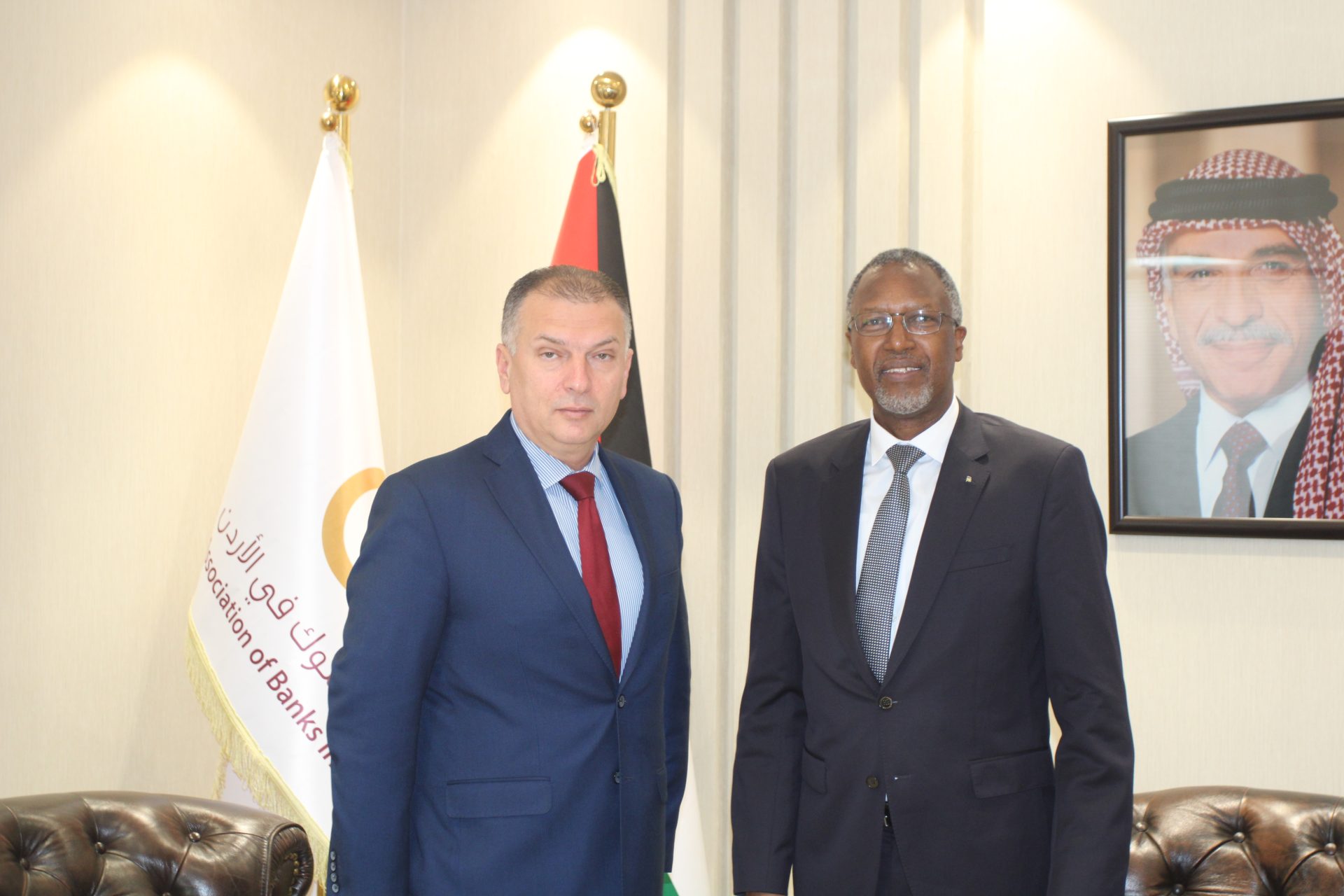
The session was opened by Dr. Maher Al-Mahrouq, Director General of the Association of Banks, who welcomed attendees from the banking sector and the UKEF delegation, which included Mr. Joseph Chakra, Regional Head for the Middle East at UKEF, and Ms. Michelle Leung, UKEF Manager for Saudi Arabia, Bahrain, and Jordan. Dr. Al-Mahrouq also expressed his appreciation to the British Embassy in Amman for its support in coordinating the meeting.
Dr. Al-Mahrouq explained that the objective of the meeting was to gain a clearer understanding of the agency’s operating mechanisms, guarantee and financing programs, and to discuss future cooperation opportunities with banks in Jordan, as well as to review the agency’s first successful transaction in Jordan and benefit from it as a model.
He noted that Jordan’s banking sector has extensive experience in trade and project finance, pointing to the role UKEF could play as a strategic partner in strengthening banks’ capacity to finance major transactions and large-scale projects through guarantees and risk-sharing mechanisms. He added that UKEF’s financing policy toward Jordan, including its high financing ceiling, represents an important opportunity for banks—particularly amid the expansion of energy, infrastructure, and productive sector projects in the Kingdom. He also highlighted the flexible repayment terms provided by UKEF, noting that they offer banks broader options to design financing solutions aligned with the nature of each project.
Dr. Al-Mahrouq encouraged bank representatives to study the programs offered by UKEF and benefit from them, especially given the agency’s successful experiences in supporting major projects regionally and globally.
For his part, Mr. Joseph Chakra delivered a comprehensive presentation on UKEF’s operations, noting that it is the world’s first export credit agency and holds a financing portfolio exceeding GBP 80 billion, in addition to a financing appetite for the Jordanian market reaching up to GBP 3 billion.
The presentation reviewed the agency’s key programs, including: bank loan guarantees of up to 100%, buyer credit with repayment terms that may extend up to 15 years and 22 years for clean energy projects, direct financing for large-scale projects, the ability to provide financing in local currencies in more than 60 markets, including the Jordanian dinar, financing of up to 85% of contract values that include at least 20% UK content, and coverage of insurance premiums.
The session featured an extensive technical discussion reflecting the strong interest of banks in mechanisms for cooperation with UKEF. Questions addressed multiple aspects of the financing process. Banks inquired about the possibility of financing projects with a high level of local content, and the UKEF team confirmed that only a minimum of 20% UK content is required. The discussion also covered the possibility of working with international contractors, with clarification that UKEF cooperates with EPC contractors from various countries provided that sufficient UK content is included. Questions also touched on the potential for building new partnerships with banks that are not yet accredited by UKEF, and the delegation affirmed the agency’s openness and cooperation with a wide network of international financial institutions. Financing in local currency was also discussed, with the agency confirming its availability in more than 60 countries, including Jordan. Bank representatives also expressed interest in the available financing limits, and it was clarified that UKEF can cover up to 85% of contract value and finance insurance premiums. Finally, interest was shown in the flexibility of different financing structures, including Islamic finance and PPP arrangements, and the delegation confirmed UKEF’s ability to support diverse financing models that meet project needs.
At the conclusion of the session, participants emphasized the importance of maintaining ongoing communication between Jordanian banks and the UKEF team to explore opportunities for developing joint projects that could benefit from innovative financing solutions, thereby supporting economic development in Jordan.
These meetings, organized by the Association of Banks in Jordan, reflect its commitment to enhancing knowledge and networking between the banking sector and various stakeholders, and to building international partnerships that serve both the banking sector and the national economy.